
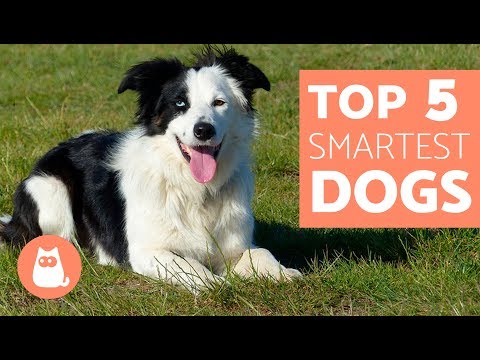
Many dog lovers are curious about which breeds stand out the most in terms of canine intelligence. You may have heard that the Border Collie takes the top spot for its incredible ability to learn and follow commands. The Poodle, known for its quick learning and adaptability, is the second most intelligent dog breed.

Poodles come in standard, miniature, and toy sizes, making them a versatile choice for all types of families. Their intelligence shines in their ability to solve problems and pick up new skills quickly. If you’re looking for a smart dog that can excel in obedience training, the Poodle is definitely worth considering.
Understanding the rankings of intelligent dog breeds can help you choose the right companion for your lifestyle. Smart dogs like the Poodle not only bring joy but also engage your mind and heart, creating a strong bond between you and your furry friend.
Exploring Canine Intelligence

Canine intelligence is fascinating and can be divided into different types. Understanding these types helps you appreciate how dogs think and learn. It’s important to look at how instinct plays a key role in the abilities dogs exhibit.
Defining Dog Intelligence
Dog intelligence isn’t just about learning commands. According to Stanley Coren, there are three main types of dog intelligence: adaptive intelligence, instinctive intelligence, and working and obedience intelligence.
- Adaptive intelligence refers to a dog’s ability to solve problems and learn from experience.
- Instinctive intelligence is tied to breeds’ specific skills, like herding for herding dogs or tracking for police dogs.
- Working and obedience intelligence relates to how well dogs follow commands and work alongside humans.
These types show that a dog’s intelligence can differ widely, depending on breed and individual personality.
The Role of Instinct in Intelligence
Instinct plays a huge part in what makes a dog smart. Some breeds have been developed for specific roles, and their instincts shine in these areas. For example, herding dogs are known for their ability to manage livestock using their natural herding instincts.
Working dogs, like police and search and rescue dogs, excel because of their instinct to protect and serve.
Mental stimulation is also essential for fostering these instincts. Activities that challenge a dog mentally can enhance their cognitive abilities, improving both their adaptive and instinctive intelligence. Remember, a well-stimulated dog is not just happier but also smarter!
The Border Collie: A Canine Genius

The Border Collie is recognized for its extraordinary intelligence and unique abilities. These dogs thrive on mental challenges and physical activity, making them ideal companions for active owners.
Border Collie Traits and Abilities
Border Collies are often considered one of the smartest dog breeds. Their herding background gives them exceptional working intelligence, enabling them to understand complex commands quickly.
These dogs are known for their:
- Problem-solving skills: They can tackle puzzles and tasks efficiently.
- Obedience: Border Collies respond well to training and commands.
- Agility: They excel in agility courses, showcasing their quick reflexes.
With the capacity to learn over 1,000 words, they impress with their rich vocabulary. Their strong instinct to herd also drives them to be active, alert, and engaged.
Training and Mental Exercise
Training a Border Collie requires commitment and fun. Using positive reinforcement helps build a strong bond between you and your dog.
To keep their minds sharp, consider the following activities:
- Obedience training: Regular sessions encourage discipline.
- Agility courses: These challenges keep them physically and mentally stimulated.
- Interactive toys: Puzzles engage their problem-solving skills and prevent boredom.
Regular exercise is essential for Border Collies. Aim for at least 1-2 hours of physical activity daily. This not only maintains their physical health but also ensures their intelligence is utilized effectively.
Comparative Intelligence in Dog Breeds
When choosing a dog, understanding the comparative intelligence among breeds can help you find the right companion for your needs. Different breeds show varied levels of intelligence, which can affect their roles in families, as working dogs, or as loyal pets.
Intelligence Across Breeds
Many dog breeds demonstrate distinct levels of intelligence. The Poodle, for instance, is ranked as the second-smartest dog breed. They’re known for their ability to learn commands quickly, often taking fewer than five repetitions.
German Shepherds are also among the top breeds. They excel as service and guide dogs due to their intelligence and strong trainability. Other breeds like the Golden Retriever and Doberman Pinscher are highly versatile and capable of learning various tasks, making them effective as family and working dogs.
Papillons, although smaller, are surprising contenders in terms of intelligence. They can master tricks and commands with ease. Each breed’s intelligence plays a vital role in how well they adapt to training and tasks.
Understanding Breed Characteristics
Understanding breed characteristics is essential when considering intelligence. Different breeds have traits that influence how they learn and interact.
Working dogs like German Shepherds and Belgian Sheepdogs are bred for tasks that require focus and quick decision-making. On the other hand, family dogs like Labrador Retrievers or Golden Retrievers may use their intelligence for companionship and obedience.
Loyal watchdogs such as Doberman Pinschers also showcase high intelligence, benefiting from their guardianship roles.
Each breed has unique attributes that shape its behavior and learning capacity. Recognizing these characteristics can be helpful in choosing the right dog for your lifestyle and needs.
Enhancing Your Dog’s Intelligence

To help your dog become smarter, focus on engaging activities and building a strong bond through training. Both play a vital role in your dog’s mental and emotional growth.
Choosing the Right Activities
Selecting activities that challenge your dog’s mind is crucial. Consider incorporating mental stimulation games, such as puzzle toys or treat-finding games. This encourages your dog to think and problem-solve.
Dog sports like agility and obedience also boost trainability. These activities foster adaptability and can be a fun way for you to bond with your dog.
Try teaching your dog new tricks or commands regularly. Use positive reinforcement to reward good behavior and keep the training enjoyable. Consistent practice not only sharpens your dog’s skills but also enhances their emotional intelligence, making them more responsive to your cues.
Building a Bond Through Training
Training should strengthen your relationship, so make sure it’s a collaborative process. Spend quality time with your dog during these sessions to deepen your bond.
Use positive reinforcement techniques like treats, praise, or play. This encourages your dog to engage with you willingly.
Focus on basic commands first, and then gradually increase complexity. As your dog learns, they’ll gain confidence in their abilities.
This approach is beneficial for service animals, too. It highlights the importance of obedience and trust in your partnership.
Remember, exercise is vital too. Regular physical activity keeps your dog energized and ready to learn. Engaging in structured play can target both their physical and mental needs.


