
Understanding aggression is key for any dog owner. Many people wonder which breed truly stands out as the most aggressive. The Pit Bull breed is often given the title of “king of aggression” because of its strength and protective instincts.
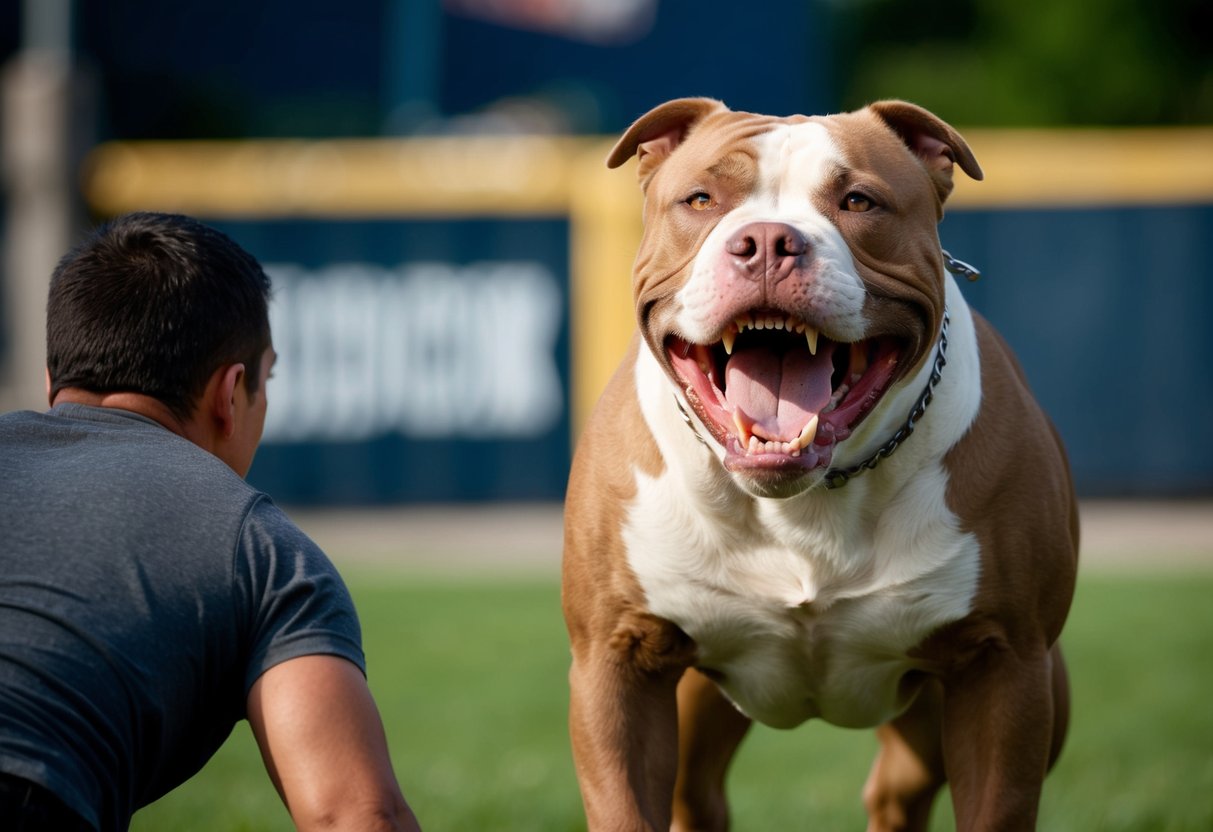
Aggression can vary greatly among individual dogs. It’s important to remember that not all aggressive behaviors indicate a dangerous dog. Different breeds exhibit various forms of aggression based on their genetics and environment.
Educating yourself about these behaviors can lead to safer interactions and better relationships with your pets.
As you explore this topic further, you’ll uncover what factors contribute to dog aggression and how to manage it. From training techniques to recognizing warning signs, understanding these elements can help you care for your dog effectively.
Understanding Dog Aggression

Dog aggression can vary widely based on many factors. Understanding how genetics, breeding, and behavioral issues contribute to these tendencies will help you recognize and address aggressive behavior in dogs.
The Role of Genetics and Breeding
Genetics play a significant role in a dog’s temperament. Certain breeds are more prone to aggressive behavior due to their natural instincts. For example, breeds like Rottweilers and Pit Bulls are often labeled as aggressive, but not all individuals from these breeds will show these traits.
Breeding practices also affect behavior. Responsible breeders focus on temperament and health when selecting breeding pairs. Unethical breeding, however, may prioritize appearance over behavior, leading to dogs with more aggressive tendencies. Understanding a dog’s lineage can provide insights into its potential behavior.
Behavioral Issues and Temperament
A dog’s behavior isn’t only about genetics; experiences and training matter too. Poor socialization during a puppy’s early stages can lead to fear and aggression later in life. Dogs that have faced abuse or neglect may also develop aggressive tendencies as a defense mechanism.
Temperament varies from dog to dog. Some may be naturally anxious, leading to aggression when they feel threatened. Others may lack proper training, making them more prone to aggressive reactions. Focused training and positive reinforcement can help shape a more stable temperament.
Recognizing Signs of Aggressive Behavior
Recognizing early signs of aggression is crucial. Common behaviors include growling, barking, and showing teeth. You might also notice a dog stiffening its body or fixating on a target. These signs indicate that the dog feels threatened or uncomfortable.
Understanding these signs allows you to intervene early and prevent escalation. Keeping a close eye on your dog’s body language and reactions can help you identify triggers. Early intervention through training and socialization can result in better behavior over time.
Breeds and Aggression
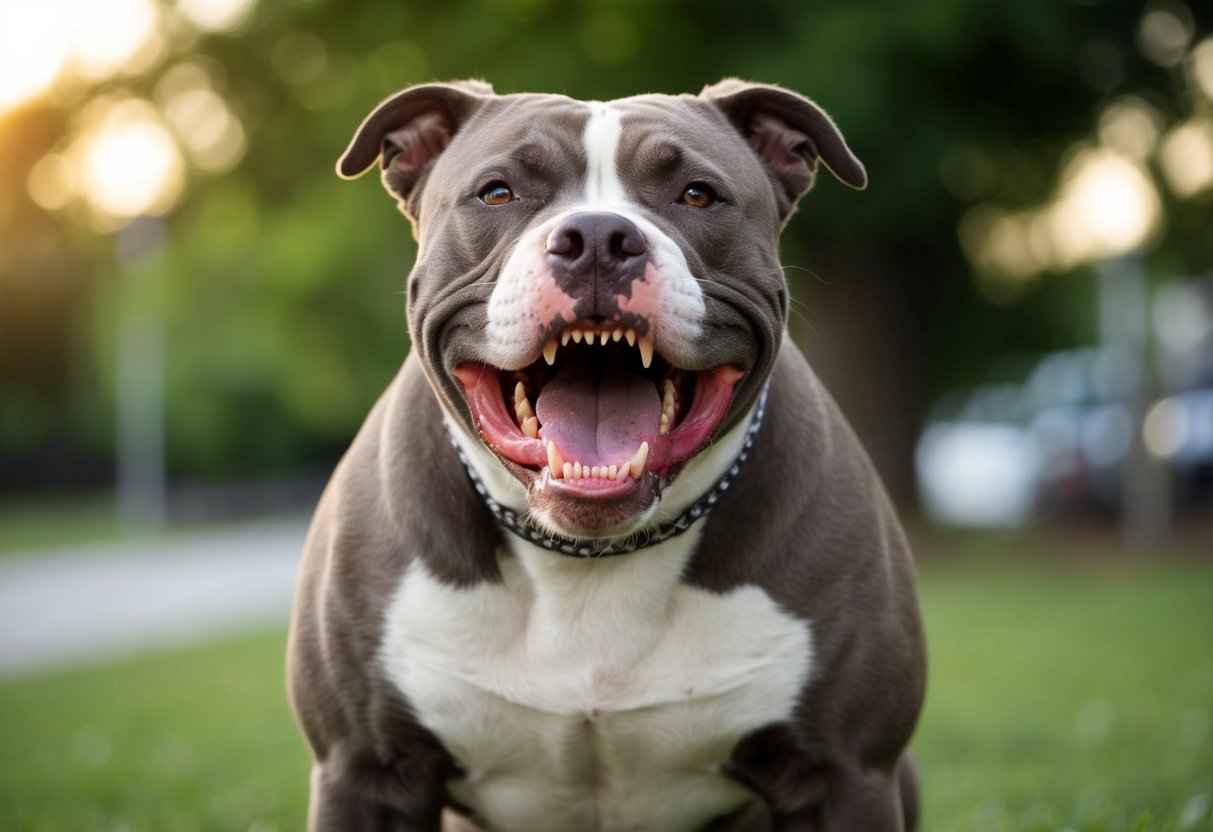
When discussing dog aggression, it’s important to look at specific breeds and understand common misconceptions. Each breed has unique traits that can influence its behavior, which impacts how we perceive aggression.
Profiles of Aggressive Dog Breeds
Certain breeds are often labeled as aggressive. These include the Rottweiler, German Shepherd, and Pit Bull. These dogs are strong and can be protective, which can sometimes lead to aggressive behavior if not properly trained.
On the other hand, smaller breeds like the Chihuahua and Dachshund can also display aggression. They may not have the size to cause serious harm, but they can be feisty and defensive. Chow Chows are known for their loyalty, but they can also react aggressively to perceived threats.
It’s crucial to remember that aggression often stems from a lack of socialization and training, rather than just breed alone. Understanding these traits helps you provide the right environment and guidance for your dog.
Misconceptions and Breed-Specific Legislation
Misconceptions about aggressive dog breeds can lead to unfair stereotypes. Many people believe that certain breeds, like the Rottweiler or American Pit Bull, are inherently dangerous. This is not accurate.
Breed-specific legislation often targets these breeds to prevent incidents. However, such laws overlook that aggression is influenced by upbringing and training. Many Cavalier King Charles Spaniels and Rough Collies can show aggression if not socialized properly.
Moreover, research shows that dogs learn from their environments. When given proper training, even traditionally aggressive breeds can become loving companions. Recognizing the role of responsible ownership is vital in addressing aggression issues effectively.
Prevention and Management
To effectively manage aggression in dogs, focusing on early socialization and positive training methods is key. Implementing behavior modification techniques can also help address specific issues that lead to aggressive behavior.
Importance of Early Socialization and Training
Early socialization is crucial for developing your dog’s temperament. Introducing your puppy to various people, environments, and other animals helps them build confidence. This experience reduces fear and anxiety, which can lead to aggression.
Positive reinforcement is an effective training method. Rewarding good behavior with treats or praise encourages your dog to repeat those actions. The American Temperament Test Society provides a valuable resource for understanding the behavioral traits of different breeds.
Additionally, addressing instincts like prey drive can reduce aggressive reactions to certain stimuli. Regularly engaging in social activities allows your dog to learn appropriate behaviors.
Behavior Modification Techniques
When dealing with aggression, behavior modification techniques can be greatly effective. Identifying triggers, like resource guarding or frustration, is the first step. Knowing what causes aggression helps you manage it better.
One method is desensitization, where your dog is gradually exposed to the trigger in a controlled way. Pairing this exposure with positive reinforcement encourages a calmer response.
Use temperament tests, such as those from the American Temperament Test Society, to assess your dog’s behavior. This can guide you in choosing suitable training strategies.
Remember, patience is key. Implementing consistent strategies creates a safer and happier environment for both you and your dog.
Adoption and Ownership Responsibilities
When considering adopting a dog, you must understand your responsibilities. This is especially true for breeds that may show canine aggression.
Before bringing a dog home, think about your lifestyle. Different breeds like Chihuahuas, Dachshunds, and Cavalier King Charles Spaniels have varying energy levels and temperaments. Make sure you choose a dog that fits your family and living situation.
Training and Socialization are key. Whether your dog is aggressive or not, proper training can help. Enroll in classes and expose your dog to new environments. This will help them behave well around people and other pets.
Be aware of legal responsibilities. If your dog causes injury, you might be liable. Understanding local laws can help you avoid legal issues. Some states have specific laws regarding aggressive dogs.
Consider your dog’s needs for a safe home. Secure your yard and use a leash when walking your dog. This helps protect both your dog and the public.
Owning a dog, especially an aggressive breed, requires commitment. Regular vet check-ups and a proper diet are essential for keeping your dog happy and healthy. Your journey as a dog owner should include love, patience, and responsibility.


