
When considering which dog is naturally aggressive, you should look at certain breeds known for their strong protective instincts. Breeds like Rottweilers, Pit Bulls, and Akitas often show aggressive tendencies if not properly trained and socialized. Genetics play a role, but your approach to training and early socialization can also significantly shape a dog’s behavior.
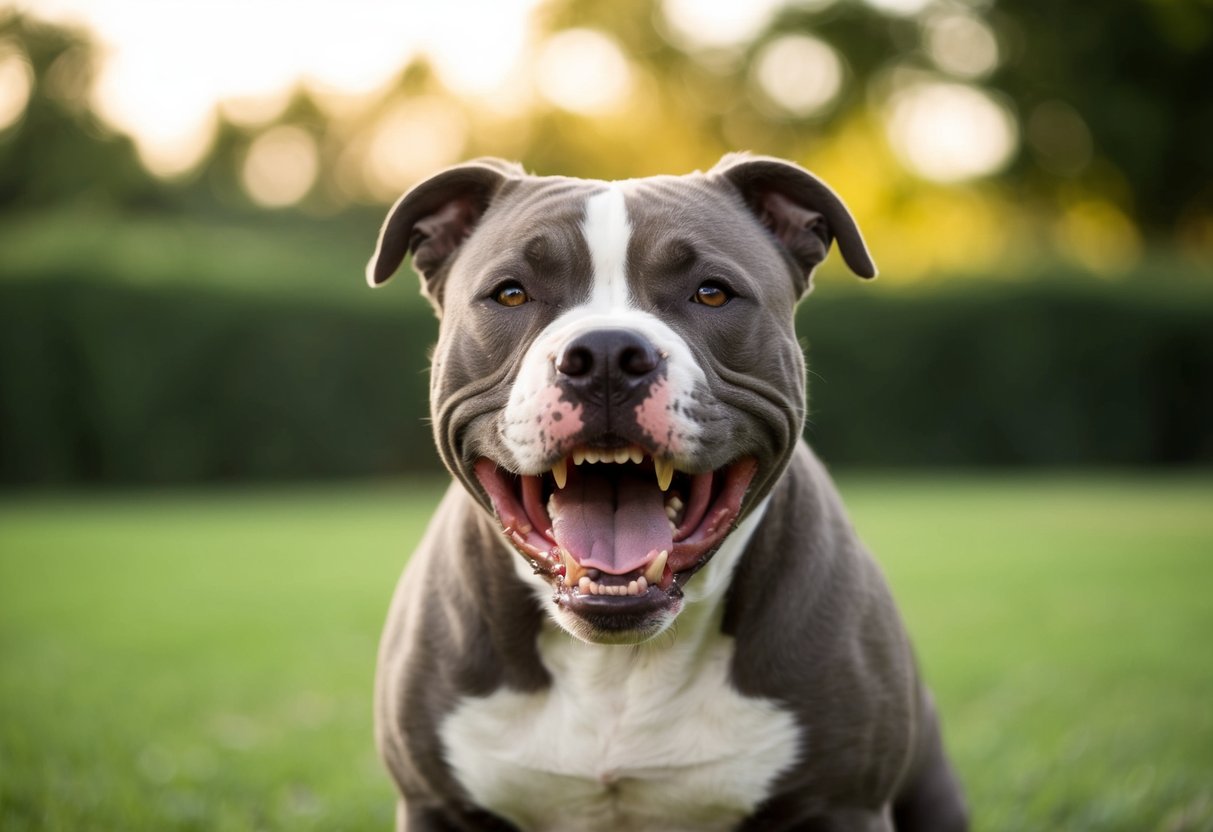
Many people assume that aggression is strictly an inherited trait, but the way you raise your dog matters just as much. Early socialization helps dogs learn how to interact with people and other animals, reducing the likelihood of aggressive behavior later on. Providing consistent training from a young age builds a foundation of trust and discipline.
By recognizing the signs of dog aggression and understanding the breeds that may be more prone to aggressive behavior, you can make informed decisions. A well-trained and socialized dog will be more likely to become a loyal companion rather than one who shows aggression. This knowledge empowers you to create a safe and happy environment for both you and your furry friend.
Historical Perspectives on Dog Aggression
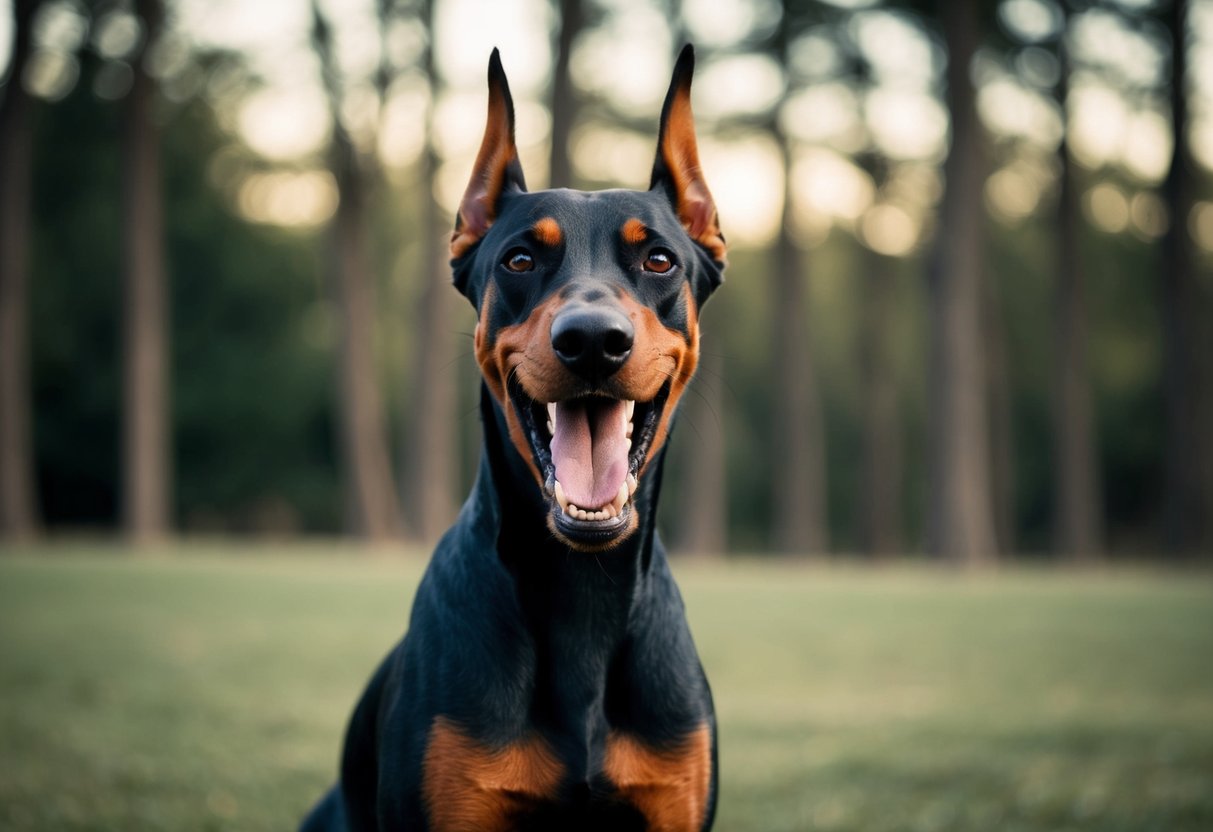
The understanding of dog aggression has evolved over centuries. Key factors include the development of protective instincts in certain breeds and the dynamics between humans and dogs. Both of these elements shape how aggressive tendencies manifest in different situations.
Evolution of Protective Instincts
Dog breeds developed unique traits over time based on their roles. Breeds like the Rottweiler, Doberman Pinscher, and German Shepherd were specifically bred for protection. These dogs exhibit strong protective instincts.
These instincts can lead to aggressive behavior if a dog feels threatened. For example, a guarding range can trigger aggressive responses towards perceived intruders. Understanding breed tendencies helps potential owners prepare for responsible training and socialization.
Each breed has different levels of aggression shaped by genetics and environment. Proper training can manage these tendencies, leading to well-balanced pets. Failing to socialize can lead to problems, including aggressive behavior towards humans or other animals.
Human-Dog Relationship Dynamics
The bond between humans and dogs has changed through history. In ancient times, dogs were used for hunting and protection. As people began to keep dogs as companions, their behavior adapted based on human interaction.
Today, the way you treat your dog plays a crucial role in its behavior. Positive reinforcement and consistent training can reduce aggressive tendencies. Conversely, neglect and harsh discipline often lead to fear-based aggression.
Reports show that aggression can contribute to human fatalities, emphasizing the need for responsible dog ownership. Understanding these dynamics helps you build a trusting relationship with your dog. This is essential for decreasing aggression and fostering a safe environment for everyone.
Characteristics of Aggressively Inclined Breeds

Understanding the traits of aggressively inclined breeds is crucial for responsible ownership. Recognizing these characteristics can help you manage behaviors and create a harmonious environment for both you and your dog.
Physical and Behavioral Traits
Aggressively inclined breeds often display distinct physical and behavioral traits. For example:
- Muscular Build: Breeds like Rottweilers, American Pit Bull Terriers, and Cane Corsos tend to have strong physiques, giving them a powerful presence.
- Protective Instincts: Dogs such as the Doberman Pinscher and German Shepherd are known for their guarding abilities. They often alert their owners when they sense a threat.
Behaviorally, some dogs may show signs of aggression when feeling threatened or territorial. Breeds like the Akita and Chow Chow can be more assertive, requiring proper socialization and training to manage their natural instincts.
Recognizing Aggressive Behavior Patterns
Identifying aggressive behavior patterns is key to preventing incidents. Watch for these signs:
- Growling and Barking: Many dogs, including Boxers and Dogo Argentinos, may growl or bark when they feel threatened.
- Posture Changes: An aggressive dog might display rigid body posture and direct eye contact, which can indicate discomfort or readiness to act.
Be aware of Small Dog Syndrome, where smaller breeds might act aggressively despite their size. This behavior can lead to bites or attacks if not addressed through training and socialization.
Understanding these traits and behavior patterns can help you take proactive steps to ensure a safer environment for everyone.
Risk Factors and Prevention
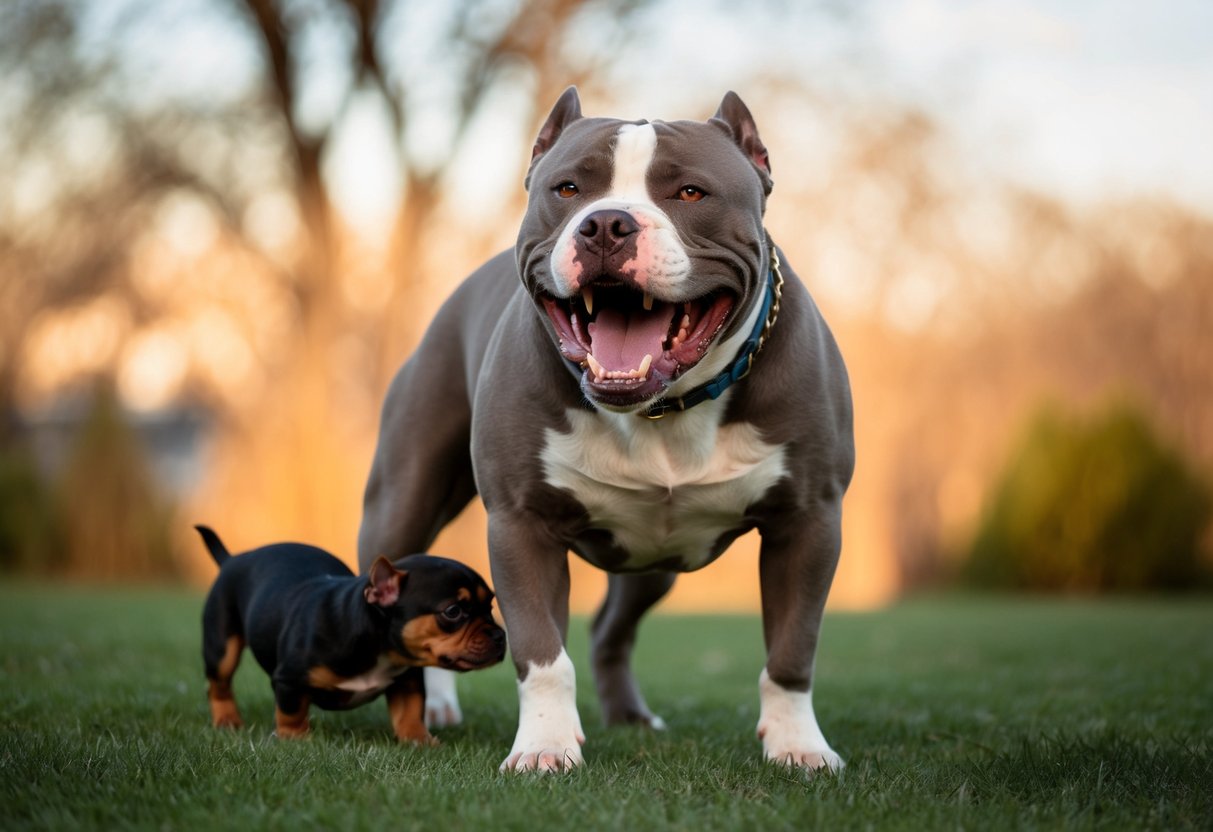
Understanding the risk factors that lead to aggressive tendencies in dogs is essential. You can help prevent aggression through early socialization and effective training strategies. These steps can make a significant difference in your dog’s behavior, ensuring they are safer around people and other pets.
Importance of Early Socialization
Early socialization is crucial for any dog, whether it’s a Chihuahua, Jack Russell Terrier, or American Staffordshire Terrier. By exposing your puppy to various people, environments, and other animals during their critical growth period, you help them become well-adjusted adults.
When a dog is not properly socialized, it may develop fear or anxiety, which can lead to aggressive behavior. Setting up playdates or enrolling your dog in puppy classes can be effective ways to enhance social skills. Even simple experiences, such as car rides or visits to parks, can build your dog’s confidence.
Regular socialization can prevent your pet from becoming one of the dangerous dogs you hear about in the news. A well-socialized dog is less likely to show aggressive tendencies.
Training Strategies for Aggression Management
Positive reinforcement training is an excellent approach for managing aggression. Rewarding your dog for good behavior helps them associate positive experiences with people and other animals.
If you notice signs of aggression, such as growling or lunging, it’s crucial to address them early. Techniques like desensitization can help reduce your dog’s fear and anxiety. Training should be consistent, focusing on commands like “sit” and “stay.”
Professional trainers can guide you through specific techniques tailored for breeds like the Staffordshire Bull Terrier or Dachshund. Proper training ensures your family pet feels secure and becomes a loving companion, rather than a potential risk for fatal dog attacks.
The Role of Owners and Breeders
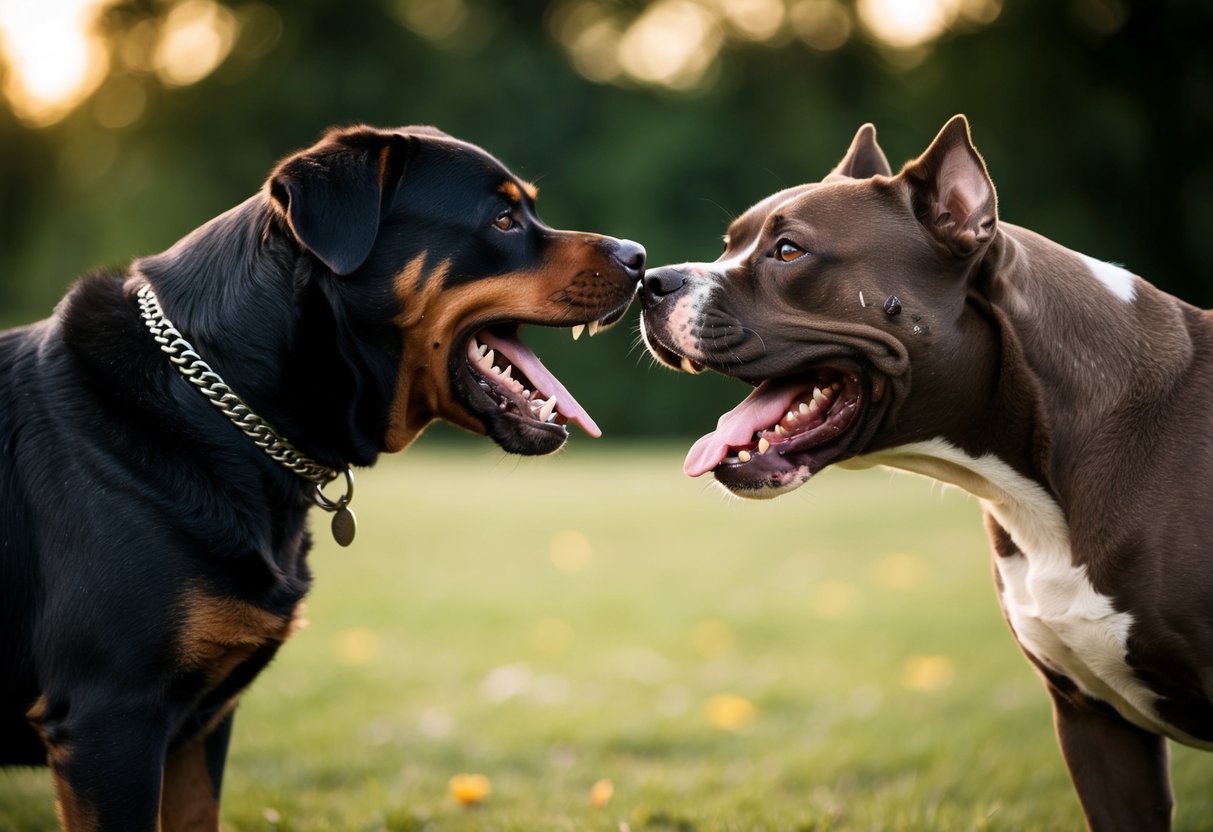
The behavior of dogs can be greatly influenced by their owners and breeders. Responsible actions during breeding and dog ownership can lead to better socialization and training, helping to minimize aggressive tendencies.
Responsible Breeding Practices
When breeders focus on temperament, they contribute to a dog’s behavior. Selecting for traits like docility and friendliness can result in pups with fewer aggressive tendencies. For example, breeds like the Labrador Retriever and Poodle are often known for their gentle nature.
Breeders should also prioritize health and socialization practices. Early exposure to different people, sounds, and environments helps puppies develop positive behaviors. This early experience can prevent aggressive behavior later in life. Awareness of each breed’s protective instincts, like those seen in Great Danes and Bulldogs, is crucial. Breeding dogs with known aggressive traits without proper socialization can lead to problems down the line.
Educational Efforts for Prospective Dog Owners
As a potential dog owner, you need to educate yourself about a breed’s characteristics. Understanding which breeds tend to be more aggressive can help you make an informed choice.
For instance, some may believe that bulldogs are aggressive, but they are often listed as among the least aggressive dog breeds.
Training and socialization are also essential. Enrolling your puppy in training classes can establish good behaviors early.
Also, engaging with your dog regularly helps build trust and reduces anxiety, which can lead to aggression. Make time for playdates and interactions with other dogs to boost their social skills.
Remember, a well-trained dog is less likely to show aggression, regardless of their breed.


