
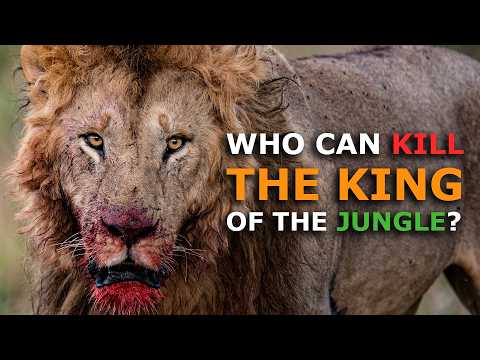
Lions seem unstoppable at first glance, but honestly, quite a few animals can actually take one down. Elephants, hippos, Nile crocodiles, Cape buffalo, and even packs of hyenas or wild dogs have all killed lions when the situation lines up just right.

Let’s look at how sheer size, natural weapons, teamwork, and clever tactics help these animals win fights against such a top predator. I’ll break down which animals pose the biggest threat to lions, why they come out on top, and toss in a few surprising dangers you might not have guessed.
Top Animals That Can Kill a Lion
Some animals beat a lion through brute strength, dangerous weapons, or just unpredictable aggression. I’ll go over what makes each of these animals a real threat, and how they can kill or badly injure a lion.
Elephants: Size and Strength
Never underestimate an adult elephant. African elephants can weigh up to 7,000 kg, and they use their tusks, trunk, and massive feet to gore or stomp a lion flat.
Mothers get especially aggressive when calves are around. They’ll charge, aiming to gore with tusks or crush with a stomp. Sometimes, just one tusk strike is enough to finish a lion.
Lions do try to hunt elephant calves, but if the calf has protection, the tables can turn fast. There are plenty of stories where elephants defending their young ended up killing lions, especially if the lion was alone or already struggling. Want more? There’s a good list at Discover Wildlife.
Rhinoceros: The Armored Defender
If you run into a black or white rhino, you’re facing thick skin and a deadly horn. Black rhinos usually weigh 800–1,400 kg, but white rhinos get even bigger.
Rhinos use their horns to gore attackers and can charge at surprising speeds. That makes them tough targets for lions, who rely on getting a grip and biting down.
Lions sometimes go after weak or young rhinos, but healthy adults usually fight them off. One horn thrust can pierce a lion’s chest or belly, causing fatal injuries. In those rare showdowns, rhinos have killed lions, proving just how risky it is for a lion to pick a fight with one.
Hippopotamus: Power in Water and Land
Hippos are a nightmare near water. They weigh between 1,500 and 3,200 kg and have a bite that crushes bone with ease.
On land or in the river, a hippo can kill a lion by biting, trampling, or just charging straight at it. Hippos are super territorial and don’t hesitate to defend their stretch of riverbank.
Most lions avoid adult hippos, but sometimes they go after a calf or a lone hippo. In those moments, hippos have killed or badly injured lions. They don’t use stealth—just overwhelming force, biting through muscle and bone or even tossing a lion into the water. Hippo attacks on lions are honestly terrifying.
Cape Buffalo: Unpredictable Aggressor
Cape buffaloes get their reputation for a reason. They have sharp horns and a mean streak, weighing anywhere from 500 to 900 kg.
Buffaloes defend each other in herds, and if a lion pride tries to single one out, buffaloes often fight back. A horn to the chest or spine can kill a lion on the spot.
Lions usually attack in groups, but solo or injured lions are at real risk. Buffaloes have killed plenty of lions during fights over food or territory. Their unpredictability and willingness to stand their ground make them some of the most dangerous prey for lions.
Other Dangerous Opponents to Lions

Some animals kill lions with surprise, numbers, or just sheer power. Each one has its own trick—ambushes from the water, hunting in packs, brutal kicks, or just being massive and armed.
Nile Crocodiles: Deadly Ambush Predators
Nile crocodiles rely on surprise. You’ll spot them lurking along riverbanks where lions come to drink or cross.
A crocodile waits below the surface, then bursts out to grab a lion by the leg or belly. Once it’s got a grip, it rolls and bites down hard, trying to drown or tear apart its prey.
Big crocs can reach over 4–5 meters and have a bite strong enough to crush bone. Lions crossing deep water or hunting by the shore face the most danger. Cubs and weak adults get targeted first. If a pride tries to save a trapped lion, more crocodiles or strong currents can make it impossible.
Hyenas: Attack in Numbers
Hyenas go for teamwork and stubbornness. You’ll often see spotted hyenas hunting or scavenging in packs that outnumber a lion or two.
They work together, nipping at heels and trying to separate a target. Their jaws crush bone, and they just keep coming until the lion is exhausted or hurt.
Hyenas usually target cubs or lone, injured adults, not healthy grown lions. When they’re defending a carcass, things can get ugly—fights sometimes end in serious injury or even death for the lions. It’s the numbers and strategy that make hyenas so dangerous, not brute strength.
Giraffes: Lethal Defensive Kicks
Giraffes can kill with one kick. If lions get too close to a calf or corner an adult, a mother giraffe swings her hoof with surprising force.
Those hooves are like clubs, and a kick can crack a lion’s skull or break its spine. Giraffes use their height and reach to keep predators at bay, standing over 5 meters tall and using that leverage for powerful strikes.
Lions usually steer clear of adult giraffes unless they’re desperate or have a big group. The risk of getting kicked to death is just too high.
Largest Reptiles in the World
Saltwater crocodiles and massive Nile crocodiles stand out as the largest reptiles—and honestly, they’re the biggest reptilian threat to lions. You’ll spot saltwater crocs hanging around coastal waterways, while Nile crocs stick to rivers and lakes. Both species can grow longer than 5 meters and sometimes tip the scales at over 500 kg.
These reptiles don’t just rely on their size; they use ambush tactics and have a bite that could crush just about anything. When a lion comes close to water, the risk really depends on how many crocs are lurking, how deep the water is, and whether there’s enough cover for a sneak attack.
Komodo dragons, on the other hand, rarely cross paths with African lions. Still, in places where they do overlap with big cats, their size and venom can be a real problem. It’s always smart to think about where habitats overlap if you’re trying to figure out which reptiles are actual threats.


