
When you think about intelligent animals, apes often come to mind. Among them, the bonobo is considered the most intelligent ape. These fascinating creatures not only share a close genetic bond with humans but also display remarkable problem-solving skills and emotional depth.
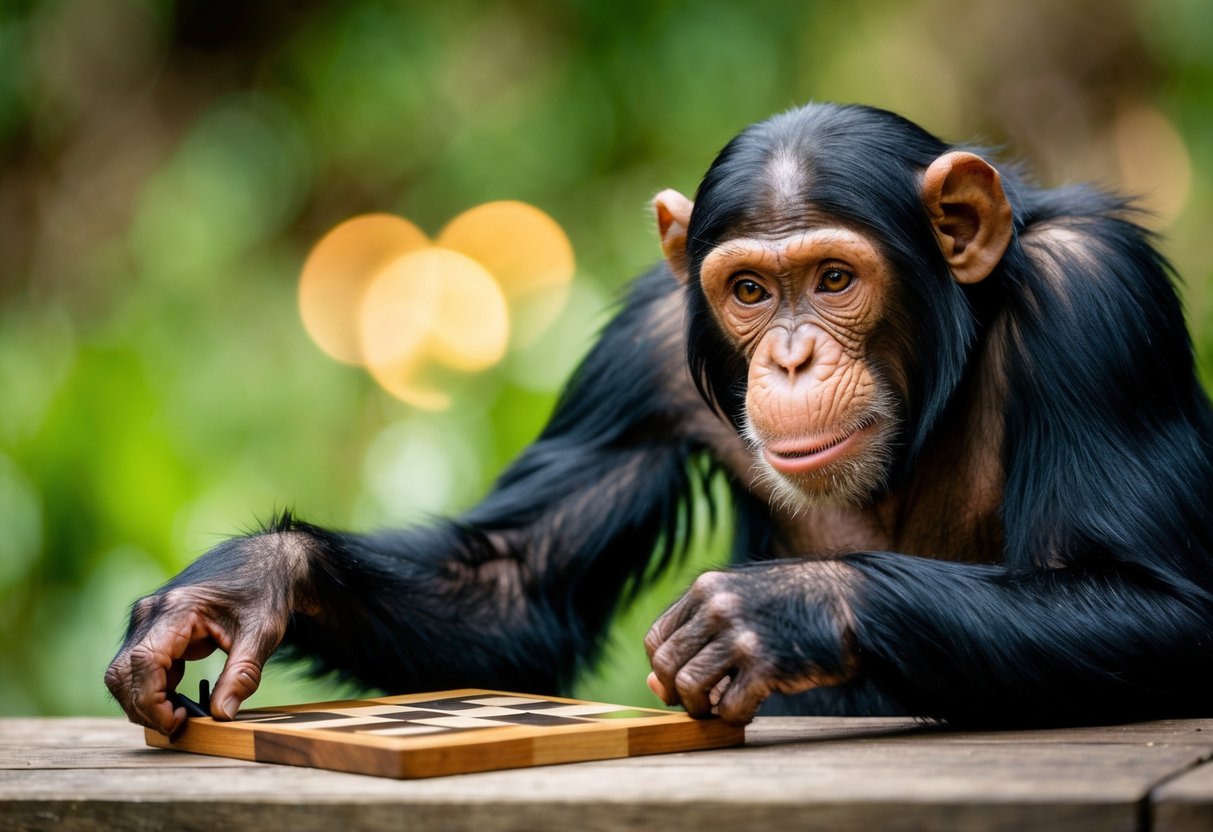
Bonobos are known for their ability to use tools, communicate with each other, and even understand aspects of human language. While other great apes like chimpanzees and orangutans also show significant intelligence, bonobos stand out due to their social behaviors and advanced learning capabilities.
As you explore the world of intelligent apes, you’ll uncover amazing stories and facts that reveal just how intelligent these animals really are. From their use of sign language to their complex social interactions, the intelligence of apes offers a glimpse into our shared evolutionary past.
Characteristics of Intelligent Apes
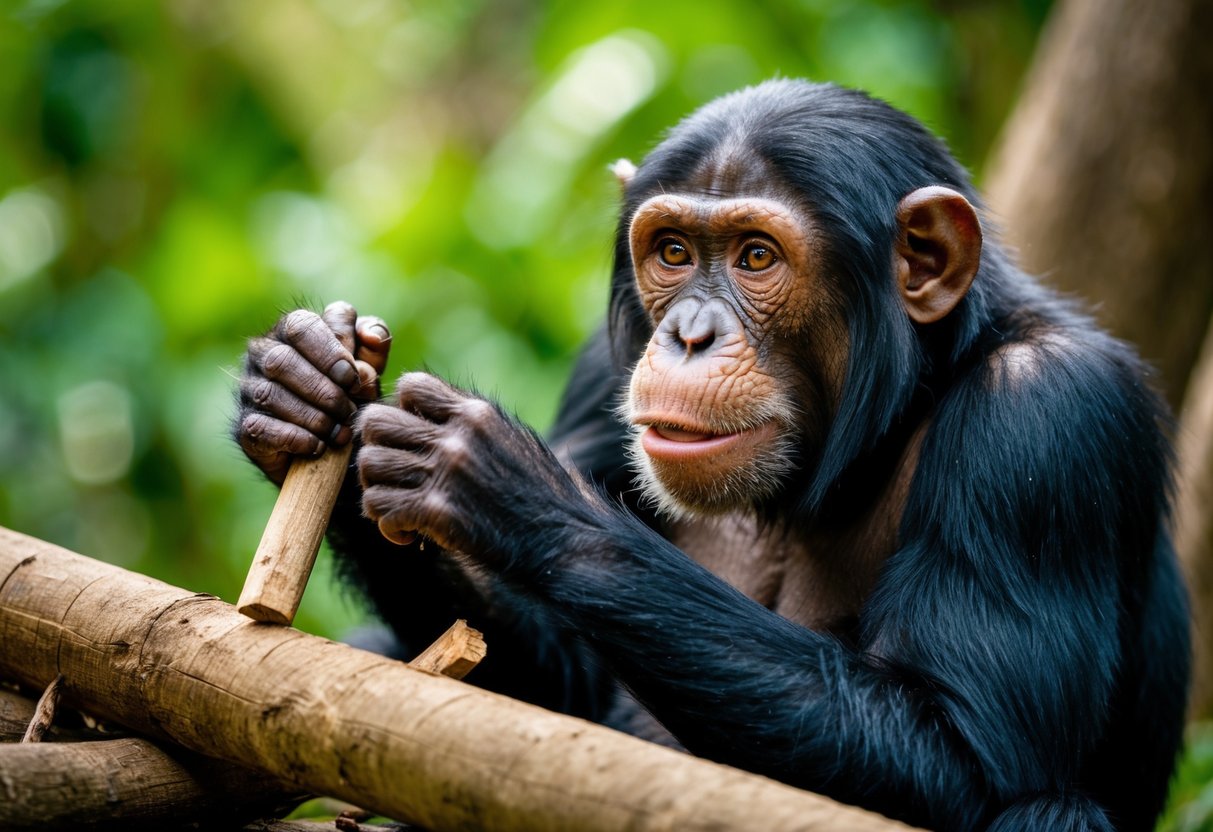
Intelligent apes share several key features that highlight their cognitive skills, communication abilities, and problem-solving prowess. These characteristics help them adapt to their environments and interact effectively within their social groups.
Cognitive Abilities
Intelligent apes like chimpanzees and orangutans show impressive cognitive abilities. They have large brains compared to their body sizes, which supports advanced thinking.
Research indicates that some apes possess cognitive skills similar to those of young children. For example, studies have shown that chimpanzees can recognize themselves in mirrors, showcasing self-awareness.
Bonobos also demonstrate strong social intelligence. They build relationships and exhibit empathy, helping them navigate their social structures. This brainpower allows intelligent apes to learn from experiences and even mimic human tasks, highlighting their remarkable mental capabilities.
Communication Skills
Communication is another important trait among intelligent apes. Gorillas and chimpanzees can use sign language, allowing them to express desires and emotions. This skill showcases their ability to learn and adapt to human forms of communication.
In the wild, these apes have a rich system of vocalizations. They can make different sounds to signal various emotions, such as excitement or warning of danger. This intricate communication system allows them to work together, share information, and form social bonds within their groups.
Problem-Solving and Tool Use
Apes are known for their exceptional problem-solving skills. Chimpanzees frequently use tools, like sticks, to extract termites from mounds. This ability to manipulate objects shows advanced thinking and planning.
Orangutans are also skilled in tool use. They have been observed using leaves as umbrellas or sponges to soak up water. Such behaviors demonstrate not only creativity but also adaptability to their surroundings.
Additionally, apes often work together to tackle complex problems, showcasing teamwork. This collaborative approach helps them find solutions, whether for finding food or navigating their environment.
Comparative Intelligence Across Species
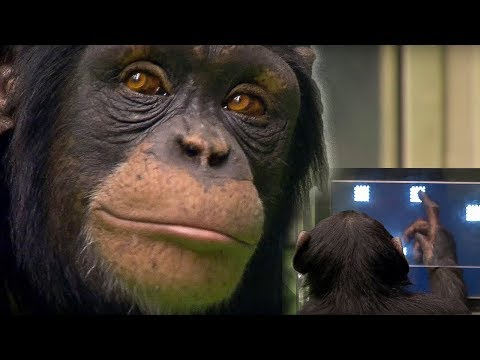
Animal intelligence varies across species, with some showing remarkable abilities. In this section, we will explore the intelligence of great apes compared to other animal species and dive into what makes animal intelligence unique.
Great Apes vs. Other Animals
Great apes, including chimpanzees, gorillas, and orangutans, are known for their high intelligence. They can use tools, solve complex problems, and even learn sign language. This capacity sets them apart from many other animals.
In comparison, species like dolphins and elephants also showcase significant intelligence. Dolphins communicate using complex sounds and exhibit social behavior that’s quite advanced. Elephants display empathy and problem-solving skills, demonstrating that intelligence varies widely among non-human animals.
When comparing IQ and intelligence levels, the encephalization quotient (EQ) often comes into play. EQ measures brain size relative to body size. Great apes and some other intelligent animals, like dolphins and elephants, have high EQs, indicating their advanced cognitive skills.
Understanding Animal Intelligence
When considering intelligence, it’s crucial to recognize that it manifests in various forms. For example, dogs excel in understanding human commands and social cues, showcasing their unique intelligence in bonding with humans.
Additionally, research shows that different species have distinct cognitive strengths. For instance, while great apes might excel in problem-solving, dolphins are experts in communication. This diversity in intelligence highlights the complexity of animal minds.
You might be surprised by how many animals demonstrate intelligence in unexpected ways. From the clever tricks of crows to the social structures of wolves, each species brings something special to the table. Understanding these differences lends insight into what makes our animal companions and relatives so unique.
Social Behaviors and Empathy

Ape social behaviors showcase their intelligence. You’ll discover how they work together in groups and express emotions. Understanding these traits deepens your appreciation of their complex social lives.
Group Dynamics and Cooperation
Ape species such as chimpanzees and bonobos display strong group dynamics. They live in tight-knit communities where cooperation is essential.
For example, chimpanzees often hunt together, sharing food to strengthen bonds.
Bonobos excel in teamwork too. They solve problems collectively and often emphasize peace over conflict. By grooming each other, they reinforce social ties and keep harmony in the group.
Orangutans, known for their solitary nature, still show cooperation, especially mothers with their young. Gorillas demonstrate cooperation by protecting their family units, exhibiting loyalty and protective behaviors.
Emotional Intelligence and Empathy
Ape emotional intelligence is remarkable. Chimpanzees show empathy by comforting distressed group members. They often hug or groom each other to ease stress, reflecting their deep understanding of emotions.
Bonobos are known for their heightened emotional behaviors. They console each other through physical affection, which promotes social harmony. Their playful nature also helps reduce tension in the group.
Orangutans display empathy through caring for their offspring. They teach skills and share knowledge, demonstrating the bond between parent and child. Gorillas, too, exhibit emotional responses; they grieve lost family members and protect vulnerable ones.
These emotional connections enhance their social intelligence, making apes fascinating to study.
Conservation and Ethical Considerations
Conservation and ethical considerations are vital when discussing intelligent apes. Protecting their habitats and establishing sanctuaries directly impact their survival. Understanding these areas helps you appreciate the challenges and efforts needed to conserve these species.
Habitat Preservation
Preserving the natural habitats of great apes is essential for their survival. Deforestation, agriculture, and urbanization threaten their homes.
- Great ape habitats must be protected from these activities.
- You can help raise awareness about habitat loss and support policies that promote conservation.
Maintaining a healthy ecosystem ensures that ape species, like orangutans and gorillas, have enough space and resources to thrive.
Ethically, it is essential to consider the long-term impacts of human activities on these intelligent creatures. By prioritizing habitat preservation, we can foster a sustainable environment for both apes and local communities.
Great Ape Sanctuaries
Great ape sanctuaries play a critical role in conservation efforts. These facilities provide safe havens for rescued and orphaned apes.
In sanctuaries, you can find:
- Rehabilitation programs: Helping apes learn natural behaviors.
- Education initiatives: Raising awareness about ape conservation and ethics.
However, sanctuaries also face challenges. These include funding and the need for trained staff. You can support these efforts by donating or volunteering.
Ethical considerations are at the core of sanctuary missions. They ensure that the wellbeing of apes is prioritized, providing a secure environment free from predators and human threats.
By supporting sanctuaries, you’re contributing to the preservation of intelligent apes and their habitats.


