
If you’re eager to catch a glimpse of the elusive Arctic fox, Iceland is one of the best places to do so. The Arctic fox can typically be found in its natural habitat in the remote areas of Hornstrandir Nature Reserve, where it lives away from hunters and other disturbances. These charming creatures thrive in cold environments, making them well-suited to the chilly temperatures of northern regions.
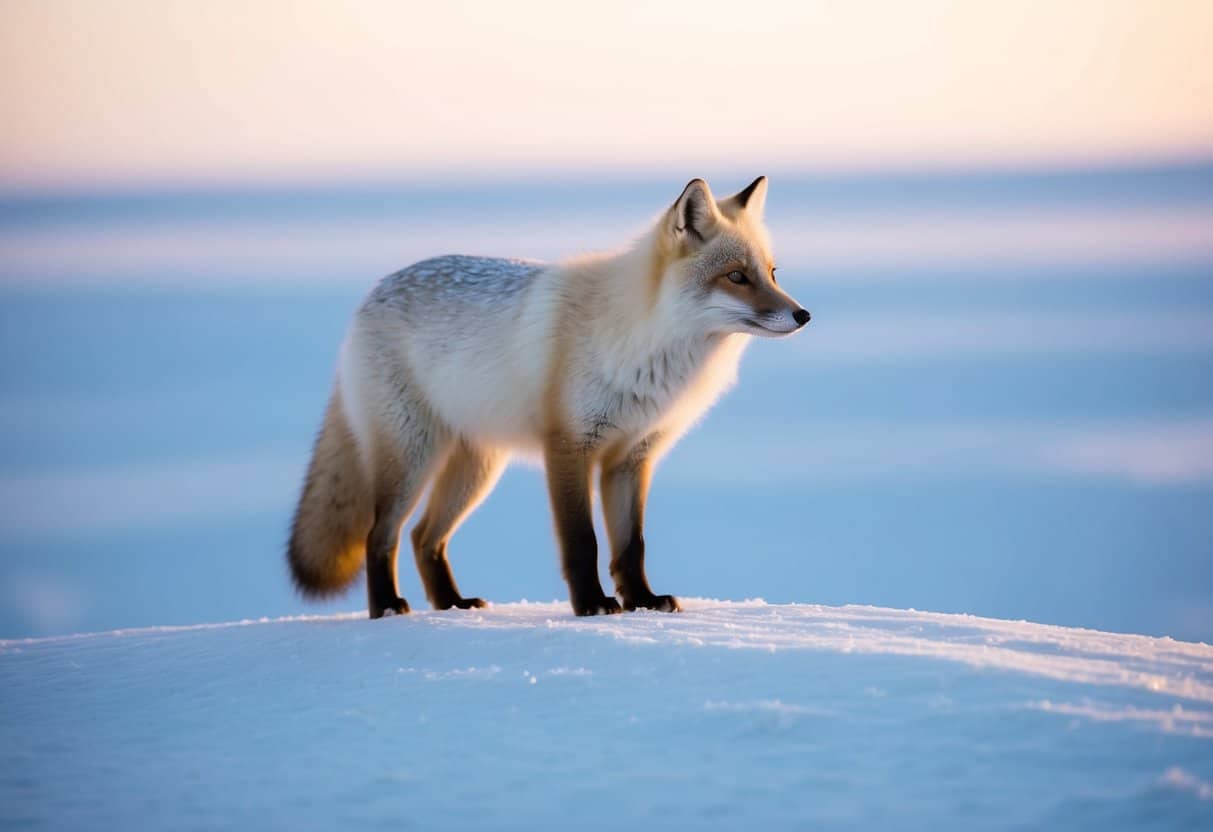
In addition to Iceland, Arctic foxes can also be spotted in parts of Greenland and Canada. They adapt well to their surroundings, with thick fur that keeps them warm and helps them blend into the snowy landscape. Exploring these areas can provide stunning views of not only the wildlife but also the breathtaking nature that surrounds them.
If you plan to go on a wildlife adventure, bringing your binoculars and camera can help you capture these amazing moments. Whether you’re on a guided tour or exploring on your own, keep an eye out for the playful antics of the Arctic fox.
Where to Find Arctic Foxes
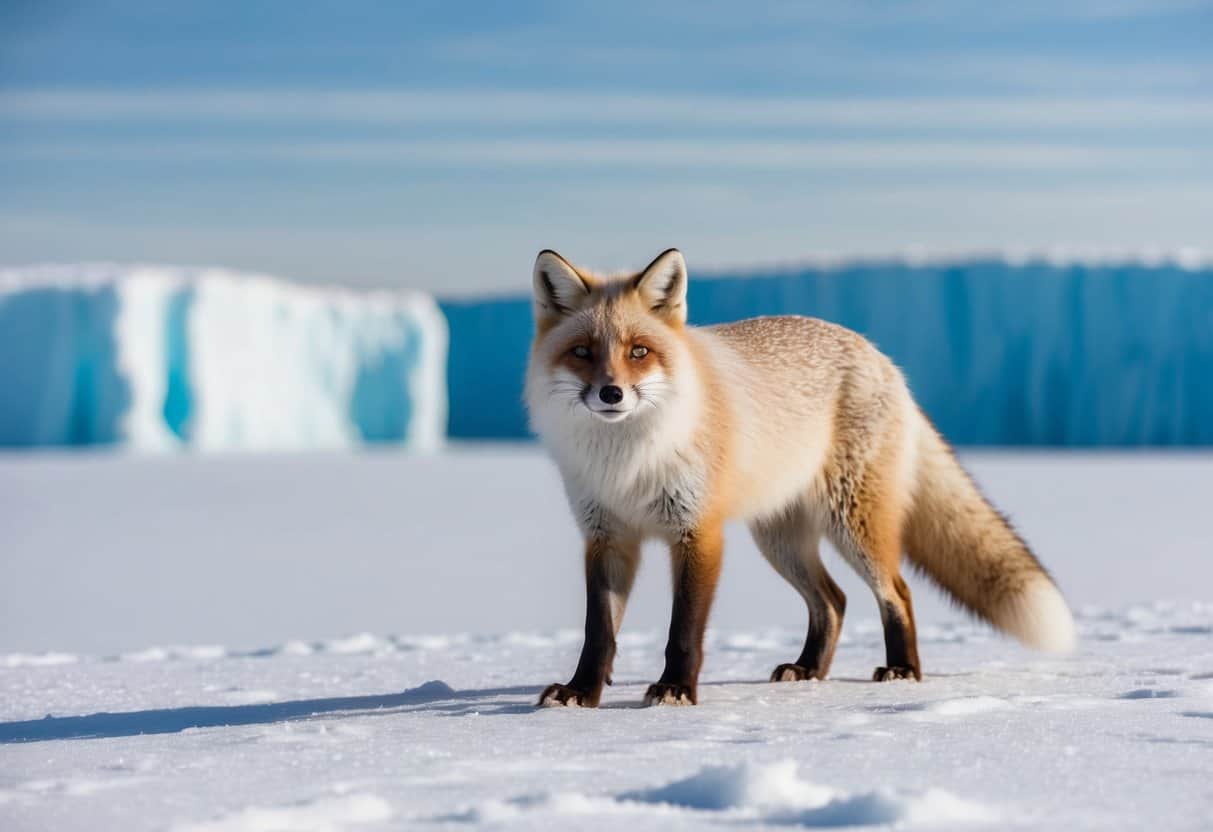
If you’re eager to see Arctic foxes in their natural habitats, there are several key locations to explore. These charming animals can be found in remote Arctic regions, notably Iceland, Svalbard in Norway, and parts of Canada. Each location offers unique opportunities for wildlife viewing in stunning landscapes.
Viewing Arctic Foxes in Iceland
In Iceland, Arctic foxes inhabit various regions, especially in the Hornstrandir Nature Reserve. This remote area in the Westfjords is one of the few places where these foxes can live and raise their young without disturbances from hunters.
Wildlife tours often take you on treks through the fjords, where you can spot these elusive creatures. The best time to see them is during the late spring and summer when the weather is milder. As you explore, keep an eye out for their changing coats, which can be brown, blue, or white depending on the season. For more information on finding Arctic foxes in Iceland, check out this guide.
Arctic Fox Populations in Svalbard and Norway
Svalbard, an archipelago in Norway, boasts a healthy Arctic fox population. Here, the foxes are known to thrive in the harsh Arctic climate. They primarily hunt for birds, eggs, and small mammals, which are abundant in the area.
Travelers can catch sight of Arctic foxes while enjoying the breathtaking views of glaciers and mountains. Guided tours often lead you to prime locations for viewing these remarkable animals in their native habitat. The best months for spotting these foxes are from late spring to early autumn. For a detailed guide to spotting Arctic foxes, refer to this article.
Canada’s Arctic Fox Habitats
In Canada, the Arctic fox can be found across the Canadian High Arctic. This vast region includes areas such as Nunavut, where the foxes roam the tundra. Their populations thrive in remote locations, often living in burrows to stay warm.
The diet of Arctic foxes in Canada mainly consists of birds, small mammals, and carrion. Touring these regions can offer rewarding experiences, as you can witness the foxes in action while they hunt. The summer months are ideal for viewing, as the tundra comes alive with wildlife. For detailed insights on their habitats, explore this resource.
Understanding Arctic Foxes
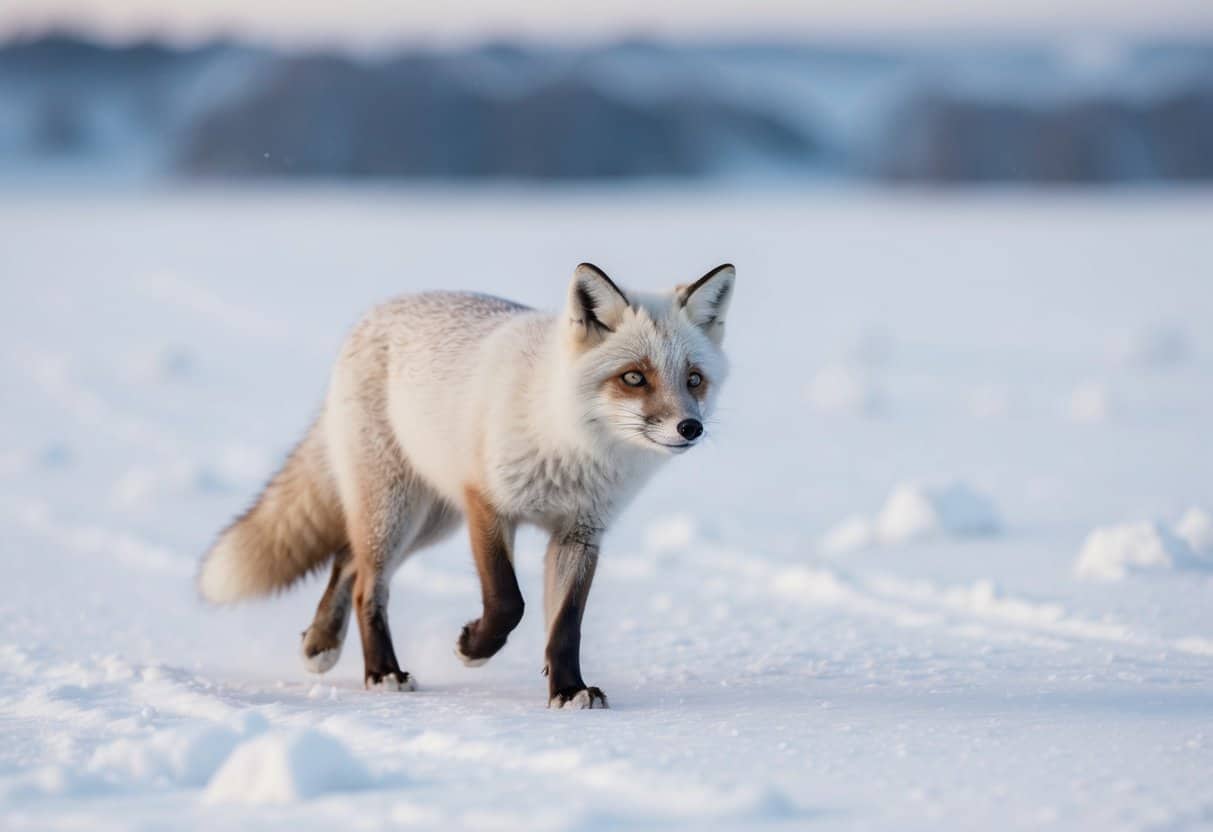
Arctic foxes are fascinating animals well adapted to their cold environment. They have unique diets and hunting techniques, special physical traits for survival, and interesting social behaviors.
Diet and Hunting Patterns
Arctic foxes are opportunistic feeders. Their diet mainly consists of small mammals like lemmings and voles. In fact, lemmings make up a large part of their food intake during peak seasons.
They also hunt seal pups when available, showcasing their ability to adjust their diet based on the environment. Arctic foxes can travel great distances and use their keen sense of hearing to locate prey hidden under snow.
Physical Adaptations for Survival
These foxes have remarkable physical adaptations to survive in harsh climates. Their thick, fluffy winter coat helps them maintain warmth and provides excellent camouflage against the snow. The white coat is well-known, but some Arctic foxes also have a blue morph that appears in summer.
Their small ears reduce heat loss, while their furry paws help them walk on snow. These adaptations make them one of the best survivors in extreme conditions.
Behavioral Traits and Social Structure
Arctic foxes often form monogamous pairs during the mating season. They are known for their strong family units, which help in raising their young. During summer, parents share hunting duties to feed their pups.
While mainly solitary, they may gather in small groups, especially when hunting or scavenging. They can also be seen foraging near polar bears, taking advantage of leftover seal remains. Their social behavior is mostly driven by survival needs in the challenging Arctic landscape.
Engaging with Arctic Foxes
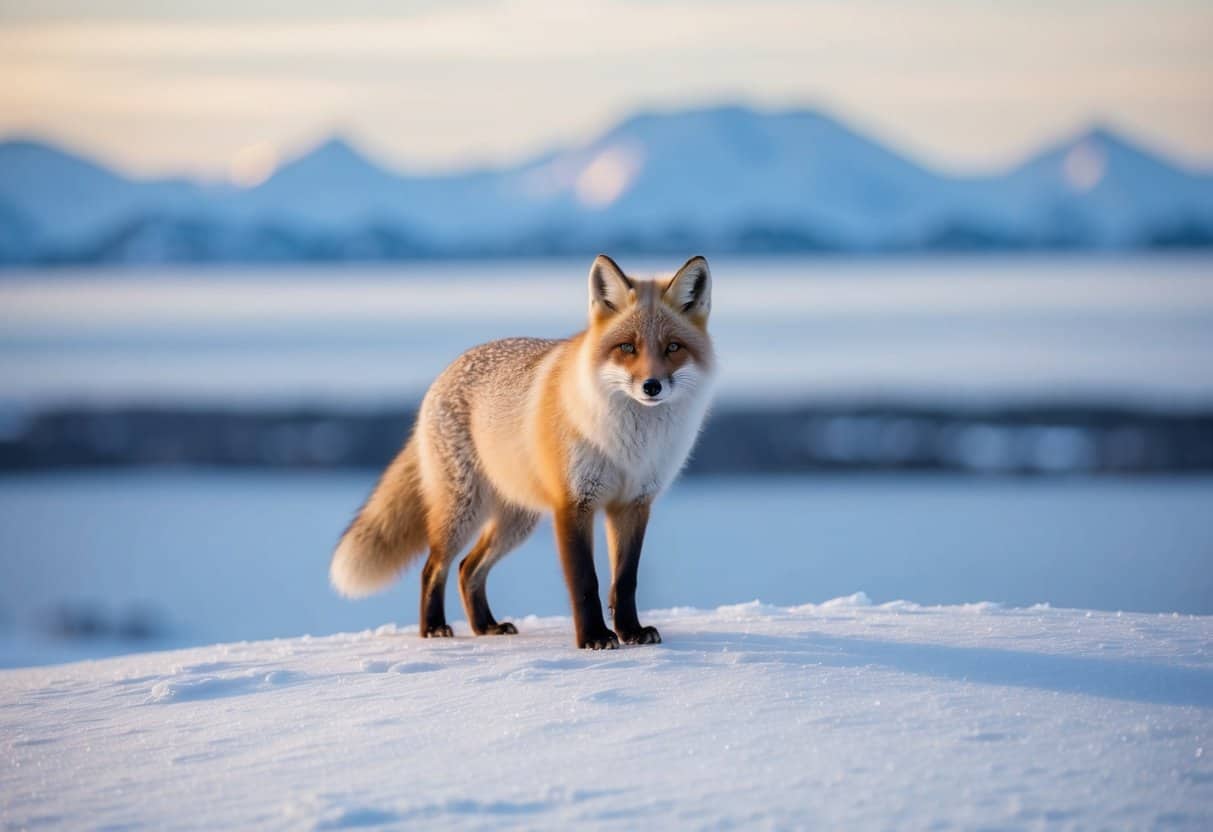
Seeing Arctic foxes in their natural habitat is a special experience. Engaging with these charming animals responsibly enriches both your adventure and wildlife conservation efforts.
Wildlife Photography and Ethical Practices
When photographing Arctic foxes, it’s essential to prioritize ethics. Always maintain a safe distance and avoid disturbing their natural behavior. Use a zoom lens to capture the beauty of these animals without intruding on their space.
Before you head out, research the best times and locations. The Arctic tundra is an ideal setting for stunning photos, particularly in winter when foxes showcase their beautiful white coats against the snow.
Consider sharing your photographs with wildlife conservation organizations to help promote awareness. Engaging with the foxes through photography not only enhances your experience but also supports the mission to protect their habitat.
Participating in Wildlife Tours
Joining a wildlife tour can be an exciting way to see Arctic foxes. Many tours are led by experienced guides who know the best spots for wildlife spotting. These guides help ensure ethical viewing while sharing insights about the foxes and their role in the ecosystem.
When selecting a tour, look for those that focus on sustainability and wildlife conservation. Some tours offer educational components, teaching you about the delicate balance of the Arctic tundra.
Make sure to dress appropriately for cold weather and be prepared for varied terrain. Engaging with Arctic foxes through guided tours deepens your understanding of their behavior and environment while supporting conservation efforts.
Conservation Efforts for the Arctic Fox
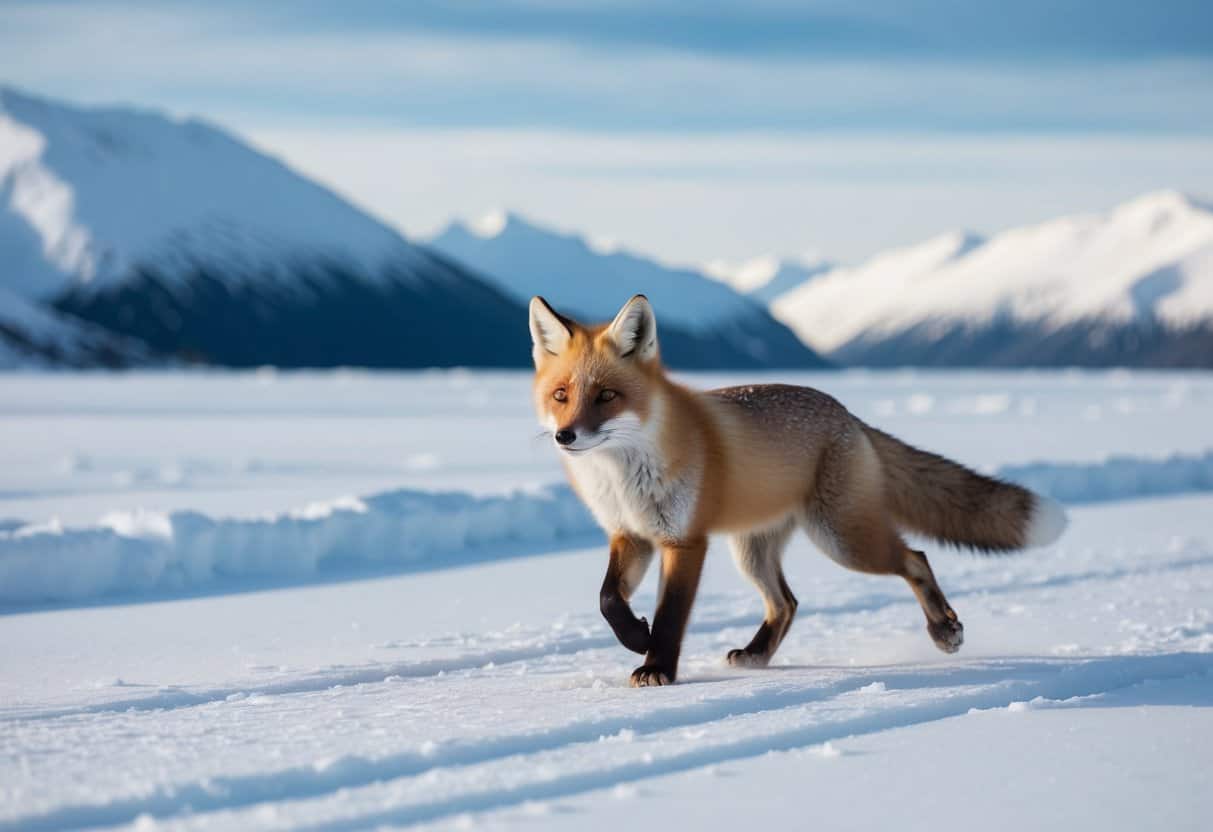
The Arctic fox population is facing many challenges. To help these charming animals, conservation efforts are in place across their habitat.
You might hear about habitat protection. This ensures that the Arctic foxes have a safe place to live and breed. Protecting their ecosystem from development and pollution is vital.
Another key effort is predator control. In some areas, red foxes compete with Arctic foxes for food. Managing red fox populations helps give Arctic foxes a better chance to thrive.
Supplementary feeding programs support these foxes, especially in harsh winters. When food is scarce, these programs provide extra meals to help Arctic foxes survive.
Reproduction is also crucial. In a good year, a female Arctic fox can have 5 to 8 puppies. Keeping their breeding grounds safe is essential for increasing their numbers.
You can learn more about these efforts through organizations dedicated to wildlife conservation. They work to raise awareness about the plight of the Arctic fox.
By supporting these causes, you contribute to preserving this unique native mammal. Every step counts in ensuring Arctic foxes continue to thrive in their natural habitat.


