
Ever watched a squirrel flick its tail and thought, “What’s that all about?” Most times, the answer’s pretty straightforward. Squirrels shake their tails to send signals—maybe to warn others, show they’re annoyed, or just keep their balance while darting around.
When a squirrel shakes its tail, it’s usually trying to say something important right now: danger, mood, or movement.

If you pay attention, you’ll notice squirrels have different tail moves for different situations. Let’s dig into why they do this, how those signals change depending on what’s going on, and some other ways tails help them stay safe and steady.
Why Squirrels Shake Their Tails
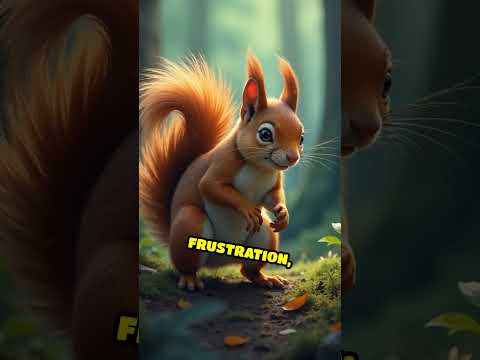
Squirrels use tail shakes to send messages and deal with danger. Their tail flicks can warn others, mark territory, confuse predators, and even change depending on the species.
Communication and Warning Signals
When a squirrel flicks its tail fast and short, it’s probably on alert. You’ll often see these quick flicks with sharp chirps if a fox or a cat sneaks up nearby.
This combo lets other squirrels spot danger, even if all they catch is the tail movement from a distance.
If the tail moves slower and more rhythmically, the squirrel might just be curious or a bit irritated. Sometimes, you’ll catch a squirrel tapping its feet while flagging its tail—maybe it’s trying to get the attention of a mate or family member.
Tail flagging works at different ranges too. Quick flicks warn those nearby, while big, showy waves get the message out to squirrels farther away.
Territorial Displays and Social Interaction
You’ll notice tail shakes when squirrels argue over food or nesting spots. One will stiffen up, raise its tail, and flick as if to say, “Hey, back off.”
This visual signal helps avoid actual fights. It’s a way for squirrels to make their intentions obvious without getting into a brawl.
During mating season, males shake their tails to impress females or challenge rivals. Social tail signals also help family groups stick together while foraging.
If one spots something, a tail flag can get the others to pause and look around for danger instead of wandering off.
Tail Shaking Against Predators and Threats
Squirrels shake their tails to defend against snakes and other small predators. Quick, wide tail waves can make them look bigger and tougher to catch.
Sometimes, you’ll see a squirrel waving its tail and making loud noises if a snake gets too close.
But when birds of prey are around, squirrels usually freeze. Tail flicks don’t happen much for aerial threats, since moving can make them more noticeable.
For ground threats, though, the tail helps keep balance. That way, the squirrel can leap away fast and maybe throw off a predator’s aim.
Differences Among Squirrel Species
Not all squirrels use their tails the same way. Tree squirrels like eastern gray or red squirrels flag their tails a lot because they live out in the open and need clear signals.
You’ll see their big, bushy tails making bold moves.
Ground squirrels and smaller types often rely more on foot thumping or vocal calls than tail shakes. Their tails are smaller and don’t work as well for long-distance signals.
Species that deal with lots of snakes show flashier tail displays, while those in thick forests use subtler movements to stay hidden from predators.
How Squirrels Use Their Tails Beyond Communication
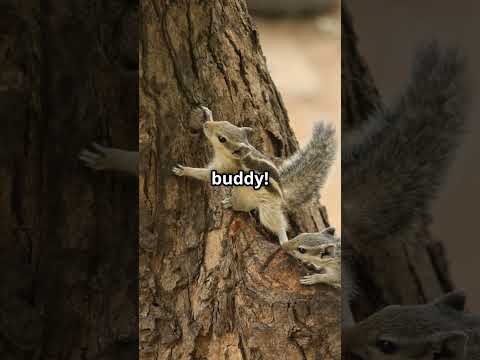
Squirrel tails aren’t just for sending signals. They help with balance, keep the animal warm and dry, and even play a role in survival if the tail gets injured or lost.
Balancing and Aerial Maneuvering
Next time you watch a tree squirrel leap between branches, check out how its tail shifts to steer. That tail acts like a counterweight.
It swings the opposite way from the body’s motion, keeping the squirrel steady on skinny branches and helping it adjust mid-jump.
While in the air, the tail changes the squirrel’s pitch and yaw. A bushy tail adds air resistance, which slows spinning and helps the squirrel land on its feet.
This really matters during quick escapes from predators or when they jump long distances.
Tail flicks also help with sharp turns. By curling or flicking the tail, the squirrel can tweak its path.
That’s how they pull off those wild moves on powerlines, thin limbs, or during a fast chase.
Temperature Regulation and Weather Protection
Squirrels use their tails as a sort of thermal blanket. When it’s cold, they wrap their tails around their bodies to trap heat and block the wind.
That thick fur works as insulation, keeping them warmer in chilly weather.
When it rains, the tail sheds water and helps keep the squirrel dry. Sometimes you’ll see one holding its tail over its back or flattening it to direct water away.
This trick helps them stay warm and saves energy since they don’t have to dry off as much.
On hot days, squirrels spread their tails for shade. It can create a little shadow over their backs or boost airflow around their bodies.
Pretty clever, right? These moves let them handle the weather without giving up a good spot to eat.
Tail Loss and Its Impact on Survival
When a squirrel loses part of its tail, you’ll probably spot some changes in how it moves and acts. The missing tail throws off its balance, so now the squirrel has to creep more carefully along thin branches.
You’ll see it making smaller jumps, which honestly looks a bit awkward. That cautiousness bumps up the risk when it’s trying to escape or forage high up in the trees.
Tail injuries mess with thermoregulation, too. With less tail, there’s not as much insulation, so the squirrel might hunker down in its nest more often or look for extra shelter when it’s cold.
You might notice these squirrels just don’t venture out as much in rough weather. It’s pretty understandable.
Predator evasion gets tricky after tail loss. Without a full tail, the squirrel loses some aerial control and has to rely more on hiding or quick bursts of speed on the ground.
Some species figure out how to adapt, but honestly, the immediate challenge is tough. You can really see it in the way they change their daily routines and movements.


