
You can protect your tomatoes from squirrels without harming them by mixing a few straightforward tactics. Try barriers like netting or cages, tidy up food sources, and toss in a deterrent or two—mint or motion sprinklers usually do the trick. These steps work together to keep your harvest safe and, honestly, save you a lot of frustration.

You’ll find practical, easy-to-try strategies here for both small yards and bigger gardens. Up next, I’ll walk you through shielding your plants, simple natural repellents you can whip up, and how to keep these tricks working all season.
Practical Strategies to Keep Squirrels Away from Your Tomatoes
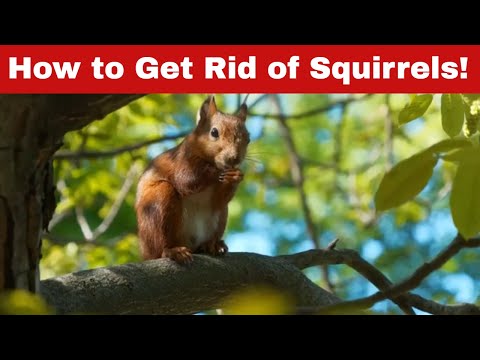
Start by removing food and shelter that draw squirrels in. Then, protect your plants with physical barriers and use safe repellents or deterrents to make your tomato patch less tempting.
Remove Squirrel Attractions from Your Yard
Pick up fallen fruit, nuts, and birdseed under trees and feeders. Store garbage in tight-lidded bins and clean up pet food after meals.
If you have bird feeders, go for squirrel-proof ones and keep them away from the garden. That way, squirrels won’t link your tomatoes with an easy snack.
Trim low tree branches that let squirrels drop right into your garden. Rake up leaves and get rid of brush piles where they might hide.
These changes make squirrels visit less often and help other deterrents work better.
Protect Tomato Plants with Fencing and Netting
Build a frame over your tomato plants and drape bird netting or garden cloth to keep squirrels out. Use mesh with holes between 1/2 and 3/4 inch—big enough for air and light, but too small for sneaky paws.
Anchor the edges with soil or stakes so squirrels can’t just slip under. For smaller gardens, wrap a short hardware-cloth cage (1/4-inch mesh) around each plant.
Make the cage tall enough for staking and easy picking. Check for holes or damage often and patch them right away to keep things squirrel-proof.
Use Natural Squirrel Repellents
Plant mint or other strong-smelling herbs around your tomatoes—the scent tends to bother squirrels. Spray a mix of water and hot pepper (capsaicin) on cages or supports, but skip the fruit you plan to eat.
Reapply sprays after heavy rain. Put apple cider vinegar–soaked rags near spots where squirrels sneak in.
Move them every few days so squirrels don’t get used to the smell.
Try Squirrel Deterrents like Motion Sensors and Decoys
Set up motion-activated sprinklers to startle squirrels and train them to stay away. Aim the sensors at likely entry paths, not directly at your tomatoes, so you don’t end up overwatering.
These gadgets work best when you use them alongside other methods. Place owl or hawk decoys around and move them often so squirrels don’t catch on.
Ultrasonic devices sometimes help, but test them first—some pets don’t like the noise. Mix up noise, water, and visual decoys for a stronger effect.
For more ideas, check out this handy guide on how to keep squirrels from eating tomatoes.
DIY and Natural Squirrel Repellents for Tomato Plants

Stick with simple, safe tricks you can make or plant yourself. Focus on smells and tastes squirrels hate, and remember to reapply after rain or every few days.
Homemade Squirrel Repellent Sprays
Whip up a spray with hot peppers, garlic, or vinegar to coat your tomato plants. For hot-pepper spray: blend 3–5 hot chilies with a quart of water, let it sit a day, strain, then add a teaspoon of liquid soap.
Wear gloves and eye protection while you mix and spray. Test the spray on one leaf and wait a day to check for any bad reaction.
Spray stems and the undersides of leaves, not directly on fruit you’ll eat soon. Reapply after heavy rain or every week or so.
Go easy with vinegar sprays and avoid strong mixes near young plants. Always label your spray bottle and keep it out of reach of pets.
Planting Squirrel-Repellent Herbs and Companion Plants
Plant mint, marigolds, garlic, and nasturtiums around your tomatoes—these scents usually turn squirrels off. Mint grows fast, so keep it in pots at the edge to stop it from taking over.
Tuck garlic or onions along the rows; their smell helps mask the tomato scent and can keep squirrels at bay. Put marigolds and nasturtiums near the base of your plants to create a scent barrier.
Geraniums and other strong-smelling herbs can work as perimeter plants too. Space companion plants so your tomatoes still get plenty of air.
Move or replace them if they start crowding your tomatoes or blocking sunlight.
Coffee Grounds, Spices, and Scent Barriers
Try sprinkling used coffee grounds around the base of your plants. This creates a scent barrier that squirrels usually don’t like. Just remember to reapply after it rains, and don’t let the grounds pile up against stems—mold can be a pain.
You might notice coffee adds a little boost to the soil as it breaks down, but it’s not a miracle fertilizer.
Want to mix things up? Scatter some citrus peels, dried chili flakes, or even cotton balls soaked in apple cider vinegar around your garden beds. I like to use small containers or tie the cotton balls to stakes so the wind doesn’t make a mess.
Switch up these scents every few days. Squirrels are clever and, honestly, they get used to the same smell if you leave it too long.
Try layering these methods. Maybe put citrus peels near trellis posts, spray pepper on the stems, and keep coffee grounds circling the soil line. This way, you’ve got a better shot at keeping squirrels away from your tomatoes—without hurting them.


