
Blue whales are the largest animals on Earth and play a vital role in the ocean’s health. If these magnificent creatures were to go extinct, it would send shockwaves through the marine ecosystem.
The loss of blue whales would lead to a dramatic increase in krill populations. This could disrupt the balance of marine life and harm other species, including those humans rely on for food.

You might not realize just how interconnected life in the ocean is. Blue whales contribute to nutrient cycling as they feed and, eventually, when they die, their bodies provide essential nutrients to the ocean floor. This cycle supports countless marine organisms and helps maintain biodiversity.
Without blue whales, the marine ecosystem could face serious challenges, affecting everything from tiny plankton to larger fish populations.
Conservation efforts are crucial to preventing the extinction of these endangered species. By protecting blue whales and their habitats, you help ensure that marine ecosystems remain vibrant and balanced. This is not just about saving a single species; it’s about preserving the health of our oceans for future generations.
Ecological Impact of Blue Whale Extinction
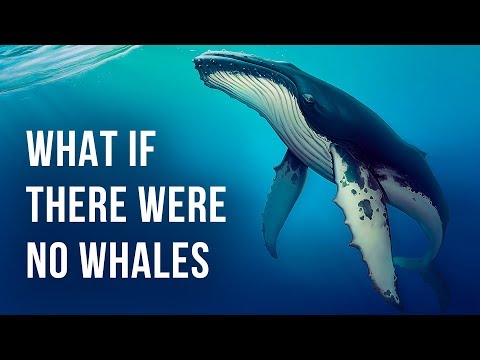
The extinction of blue whales would significantly disrupt marine ecosystems. These magnificent creatures play essential roles in nutrient cycling and support the entire marine food chain. Understanding their impact helps highlight the importance of their conservation.
Role in Marine Ecosystems
Blue whales are considered keystone species within marine ecosystems. They contribute to maintaining the balance of these environments. When they feed on krill, they effectively regulate their populations, which helps prevent overpopulation.
Their waste products also fertilize the ocean. This waste, rich in nutrients like nitrogen, promotes the growth of phytoplankton. These tiny organisms are crucial for creating oxygen and forming the base of the marine food web.
Effect on Phytoplankton and Nutrient Cycling
Phytoplankton thrive on the nutrients provided by blue whale waste. Without blue whales, nutrient cycling would be severely affected. Less nutrient input means lower phytoplankton growth, which can lead to decreased carbon sequestration.
Carbon sequestration is vital for managing carbon dioxide levels in the atmosphere. A drop in phytoplankton populations would ripple through the entire ecosystem. Many marine species depend on phytoplankton for survival, leading to broader ecological impacts.
Consequences for the Food Chain
The food chain is intricately linked to the presence of blue whales. If they were to go extinct, numerous species that rely on phytoplankton and krill would face food shortages. This would lead to declines in fish populations and other marine life, affecting biodiversity.
As key players within their environment, blue whales help maintain healthy ecosystems. Their absence could result in a dramatic shift in marine life, altering the balance of biodiversity. This change can have long-lasting effects on both marine habitats and the broader ocean health, further stressing the importance of blue whale conservation.
Implications for Conservation and Environmental Policy

The extinction of blue whales would have significant effects on conservation and environmental policies. This situation could lead to the need for stronger regulations and international cooperation to protect marine life. Understanding these implications is crucial for anyone interested in preserving our oceans and their ecosystems.
International Whaling Commission’s Role
The International Whaling Commission (IWC) plays a key role in protecting whale species, including blue whales. It regulates whaling and establishes conservation measures.
If blue whales were to go extinct, the IWC would likely face increased pressure to expand its efforts. You might see stricter regulations against illegal whaling and enhanced protection for all whale species, not just the blue whale.
The commission could also push for collaborative actions among member countries. By sharing data and resources, they can better monitor and protect whale populations. This collective responsibility fosters international unity in conservation efforts, which is essential for marine ecosystems.
Climate Change Mitigation Efforts
Climate change poses a major threat to blue whales and their habitats. Without effective climate change mitigation efforts, these majestic animals may struggle to survive.
Protecting blue whales could lead to a renewed focus on reducing greenhouse gas emissions.
Policies might shift to prioritize carbon sequestration efforts that benefit ocean ecosystems. For instance, preserving kelp forests and coastal wetlands can capture carbon while enhancing marine habitats.
When you support these initiatives, you help protect not only blue whales but also other marine life affected by climate change.
Marine Protected Areas and Blue Whale Habitats
Creating marine protected areas (MPAs) is vital for the survival of blue whales. These designated zones help preserve essential habitats and reduce human impacts.
If blue whales disappeared, the need for MPAs could become even more urgent to safeguard remaining marine biodiversity.
You might see initiatives to expand MPAs, focusing on areas critical for whale migration and feeding. Protecting these habitats helps maintain balance within ocean ecosystems. Healthy marine environments contribute to the overall health of our planet, making strong conservation measures essential.
Human Activities and Their Impact on Blue Whales

Human activities have a significant effect on blue whales, pushing them closer to extinction. Key issues include commercial whaling, challenges from fisheries, and threats from pollution and vessel strikes. Understanding these factors helps highlight the importance of protecting these majestic creatures.
Effects of Commercial Whaling
Commercial whaling has had a devastating impact on blue whale populations. Despite a ban on whaling in 1966, illegal whaling still occurs, threatening their survival.
Estimates suggest that blue whales were hunted to near-extinction levels, with only about 10,000 to 25,000 remaining today. The loss of these animals affects marine ecosystems profoundly, as they play a critical role in maintaining ocean health. Their absence can lead to an imbalance in the food web, affecting other marine species.
Challenges with Fisheries and Bycatch
Fisheries present a serious challenge for blue whales. Accidental catches—known as bycatch—can injure or kill these whales.
Fishing gear, such as nets and lines, can entangle blue whales, causing stress, injury, and even death. Ghost gear, or lost fishing equipment, poses an ongoing threat as it continues to trap marine animals long after being abandoned.
These interactions can reduce blue whale populations and hinder their ability to reproduce, which is crucial for their survival.
Threat of Pollution and Vessel Strikes
Pollution in the oceans impacts blue whales in various ways. Chemical pollutants can accumulate in their bodies, affecting their health and reproductive success.
Noise pollution from ships and other marine activities can interfere with their communication and navigation. Vessel strikes are another serious concern; as shipping traffic increases, collisions with boats can cause fatal injuries to blue whales.
Protecting their habitat from pollution and minimizing shipping routes can help safeguard these gentle giants.
Economic and Cultural Significance

The extinction of blue whales would have far-reaching effects on both the economy and cultural identity of communities that value these magnificent creatures. You will see impacts in tourism, cultural symbolism, and even ecosystem services that benefit many.
Impact on Whale Watching and Tourism
Whale watching is a significant tourism activity in many coastal regions. If blue whales were to disappear, areas known for these tours would likely experience a decline in visitors.
This would harm local businesses that rely on whale watching, including tour operators, hotels, and restaurants.
Many tourists travel great distances to see the largest animal on Earth. With blue whales gone, the unique experiences that attract visitors would diminish. The economic loss could affect jobs and livelihoods linked to this sector.
Cultural Importance of Whales
Blue whales hold deep cultural significance for many communities, especially those near the ocean. They symbolize strength, grace, and the beauty of marine life.
Their absence would be felt as a loss of local heritage and identity.
Many native cultures respect whales as vital parts of their spiritual beliefs. Without blue whales, this connection would fade, impacting traditions and ceremonies. Communities that pride themselves on honoring these creatures might feel a significant void.
Ecosystem Services Provided by Blue Whales
Blue whales play a crucial role in maintaining a healthy ocean ecosystem. Their feeding habits, which include consuming large amounts of krill, help regulate these populations.
When blue whales die, their carcasses create “whale falls” that serve as rich feeding grounds for a variety of marine life. These decomposing bodies provide essential nutrients that help sustain smaller organisms.
Without blue whales, this unique cycle of life would be disrupted, affecting biodiversity and ocean health.
In addition, whale feces play a role in carbon capture by promoting phytoplankton growth. This process helps to clean the ocean and regulate the climate.
The loss of blue whales would mean fewer benefits for the environment.


