
Ever noticed a tiny bird with a splash of yellow on its chest hopping around your garden or a local park? You’re probably curious about what you saw. The most common small British bird with a yellow breast is the Blue Tit—it’s hard to miss with its lively blue and yellow feathers and energetic personality. These birds really stand out, thanks to that vivid yellow chest and their constant flitting about.

But Blue Tits aren’t the only yellow-breasted birds out there. You might spot Yellowhammers or Siskins too, each with their own twist on yellow and some quirky behaviors. Getting to know these birds makes your birdwatching way more fun.
Want to figure out how to tell these yellow-breasted birds apart? Stick around for some easy tips and a few interesting tidbits that’ll help you appreciate their colors even more.
Identifying Small British Birds With Yellow Breasts

If you’re hoping to spot small birds with yellow breasts in the UK, pay attention to size, color, and how they act. Some birds show off a bright yellow chest, while others mix yellow with green or blue. You’ll spot unique shapes and markings if you look closely.
How to Recognise Yellow-Breasted Garden Birds
Watch for small birds at your feeders or in the garden with a flash of yellow on their chests. The Blue Tit pops up most often. Its yellow breast blends with blue and green feathers on its head and wings.
The Yellowhammer catches the eye with a bold yellow head and chest, but it’s a bit bigger and shows a chestnut back. Goldfinches? They flash yellow in their wings, but their chest isn’t really yellow.
Size helps too. Most of these yellow-breasted birds are pretty small, between 10 and 15 cm long. Notice their quirks—like the Yellow Wagtail, which bobs its tail up and down while it walks.
Key Features of Small Yellow Birds in the UK
Check for clear markings, like stripes or wing patches, to tell them apart. Male Siskins show off bright yellow and green stripes, a black bib, and a forked tail. Females look paler but still have touches of yellow on their wings and tail.
Great Tits have a bold black line running down their yellow chest. Their black heads and white cheeks are pretty hard to miss.
If you hear cheerful twittering or soft trills, Goldfinches are probably nearby. Their red faces and yellow wing patches really stand out.
Differences Between Males and Females
Spotting the difference between males and females can help. Male Yellowhammers look super bright with their yellow heads and underparts. Females, on the other hand, seem a bit duller, with more brown streaks and less yellow.
Male Siskins have stronger yellow-green coloring and a black bib. Females appear paler and don’t show as many black markings.
With Blue Tits, males and females look almost identical, both showing a bright yellow chest. Sometimes, the males have a slightly brighter blue cap.
Knowing these details makes it way easier to pick out and enjoy the little yellow birds in your local patch.
Common Species of Small British Birds With Yellow Breasts
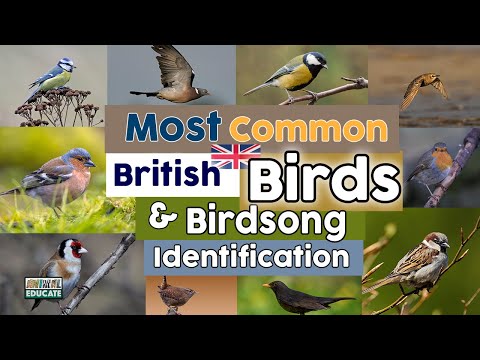
If you enjoy watching birds in your garden, you’ll probably see a few small British birds with bright yellow breasts. Some show up at feeders all the time, while others are a bit more elusive and need a bit of patience to spot.
Great Tit: The Classic Yellow-Breasted Garden Visitor
The Great Tit is probably the most familiar yellow-breasted bird in the UK. You’ll often see it in gardens, especially where there are bird feeders. Its yellow chest has a bold black stripe, and it sports a black cap.
Great Tits act lively and sometimes nudge smaller birds out of the way for food. In winter, they join up with Blue Tits to search for snacks. They love seeds and suet, so keeping your feeder stocked is a good idea.
Blue Tit: Bright and Lively
Blue Tits are easy to recognize with their bright blue and yellow feathers. Their yellow breast really pops against their blue-green back and white cheeks. These birds are small, busy, and seem to love garden feeders.
Blue Tits aren’t as bossy as Great Tits, so you might see them feeding alongside other birds. They’ll eat seeds, nuts, and even mealworms if you offer them. If you put up nest boxes, Blue Tits might stick around and raise their chicks nearby.
Siskin: Lively Flock Bird
Siskins are tiny finches that show up in groups, especially during winter. Males wear bright yellow and green stripes with a black bib and a forked tail. Females look paler but still have yellow wing patches.
Siskins go for seeds and flock to garden feeders with niger or sunflower seeds. You’ll find them mostly in Scotland and Wales, but they sometimes visit England during cold months.
Yellowhammer: Countryside Songbird
Yellowhammers bring a splash of yellow to the countryside with their bright yellow heads and chests. You’ll spot them more often away from busy towns. Males have chestnut rumps and brown, streaky backs, making their yellow stand out even more.
Sadly, Yellowhammers are declining because of habitat loss. If you live in a rural area, putting seed mixes on ground feeders can help. Their cheerful song fills open fields and hedgerows.
Yellow Wagtail: Bright Migratory Visitor
The Yellow Wagtail is a slim bird with vivid yellow on its face and chest. It’s always wagging its tail up and down as it walks—easy to spot if you catch it moving.
This bird visits the UK in summer, usually nesting near wetlands and meadows. It heads to Africa for winter, so you’ll only see it for a few months. Since it mostly eats insects, it rarely comes to garden feeders.
Goldfinch: Flashes of Yellow in Flight
Goldfinches are small, sociable birds with bright red faces and yellow wing flashes. Sometimes you’ll see groups at your feeders, especially if you offer niger seeds.
They make cheerful, twittering calls and prefer clean feeders. The yellow on their wings is pretty eye-catching as they dart around. Goldfinches show off more color variety than most, with red, black, and white mixed in with the yellow.
Cirl Bunting and Other Rare Yellow-Breasted Birds
The cirl bunting kind of resembles the yellowhammer, but you’ll only spot it in a few places—mainly Devon. Males stand out with those yellow stripes on their heads and their bright yellow bellies.
Females and younger birds look a bit different. They’ve got streaked rumps and bolder markings that make them trickier to identify.
You might also see other small yellow-breasted birds, like the wood warbler or firecrest, though they’re definitely harder to find. Firecrests are tiny, sporting a yellow stripe on their heads, and they usually stick to wooded spots.
If you’re hoping to bring rare birds into your garden, try setting up a mix of feeders and nest boxes. That variety really makes a difference—sometimes you’ll be surprised by who shows up.


