
If you live in an urban area, you might have noticed foxes visiting your garden. These clever animals are great at scavenging, but knowing what to leave out for them can be tricky.
Foxes thrive on a diet that includes certain meats, fruits, and even eggs. But, it’s crucial to choose the right foods while being mindful of their health and your surroundings.
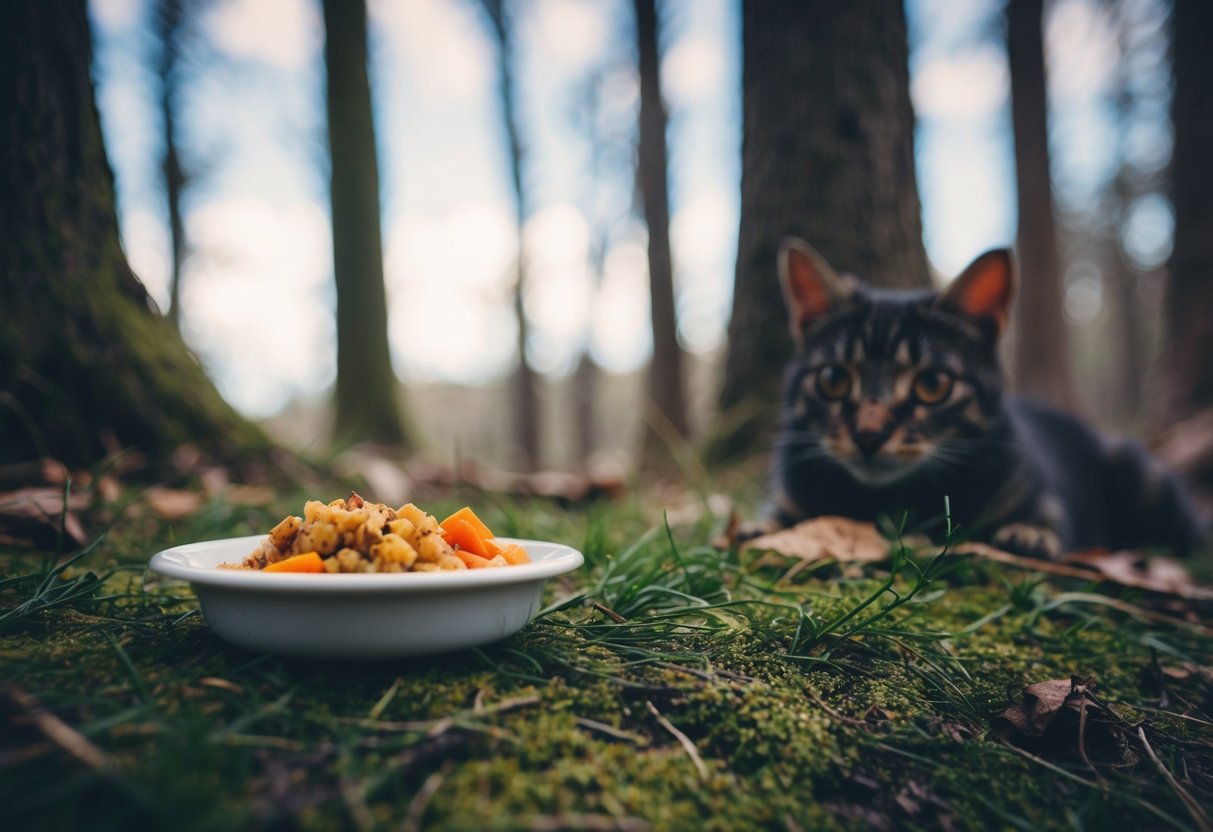
When providing food for foxes, you want to ensure that it is nutritious yet not overly abundant. Leaving out small portions of cooked chicken or turkey can be a treat for them.
Fruits like apples or berries can also be a good option. However, it’s essential to avoid processed foods and grains, as these can harm their well-being.
By feeding foxes responsibly, you can enjoy their presence while supporting local wildlife. Remember, it’s not just about what to give them; it’s about doing it in a way that maintains the natural balance in your yard and neighborhood. Engaging with these fascinating creatures can be a joyful experience!
Understanding Fox Diets and Natural Foods

Foxes have diverse diets that change with seasons and availability of food. Understanding what they typically eat can help you provide suitable foods in your garden.
Dietary Habits of Foxes
Foxes are omnivores, meaning they eat both animals and plants. Their diet mainly consists of rodents, such as mice and voles, which form a significant part of what they eat. They will hunt rabbits too, especially when other food is scarce.
In addition to meat, foxes enjoy a variety of fruits and vegetables. Berries, apples, and even some nuts can be a tasty treat for them.
They also consume insects, like crickets and beetles, along with earthworms. This wide-ranging diet helps them adapt to different environments.
Natural Prey and Foraging
When foraging, foxes rely on their keen senses. They often hunt at dawn or dusk. This is when they can find their primary prey, such as rodents and rabbits.
Foxes also look for other food sources, including small birds, their eggs, and amphibians like frogs. They have a knack for detecting movement, which aids them in finding hidden snacks.
During warmer months, they may enjoy seeds and fruits when available, adding a nutritious variety to their meals.
By knowing their food preferences, you can create a better environment for foxes in your area.
Safe Foods to Leave Out for Foxes
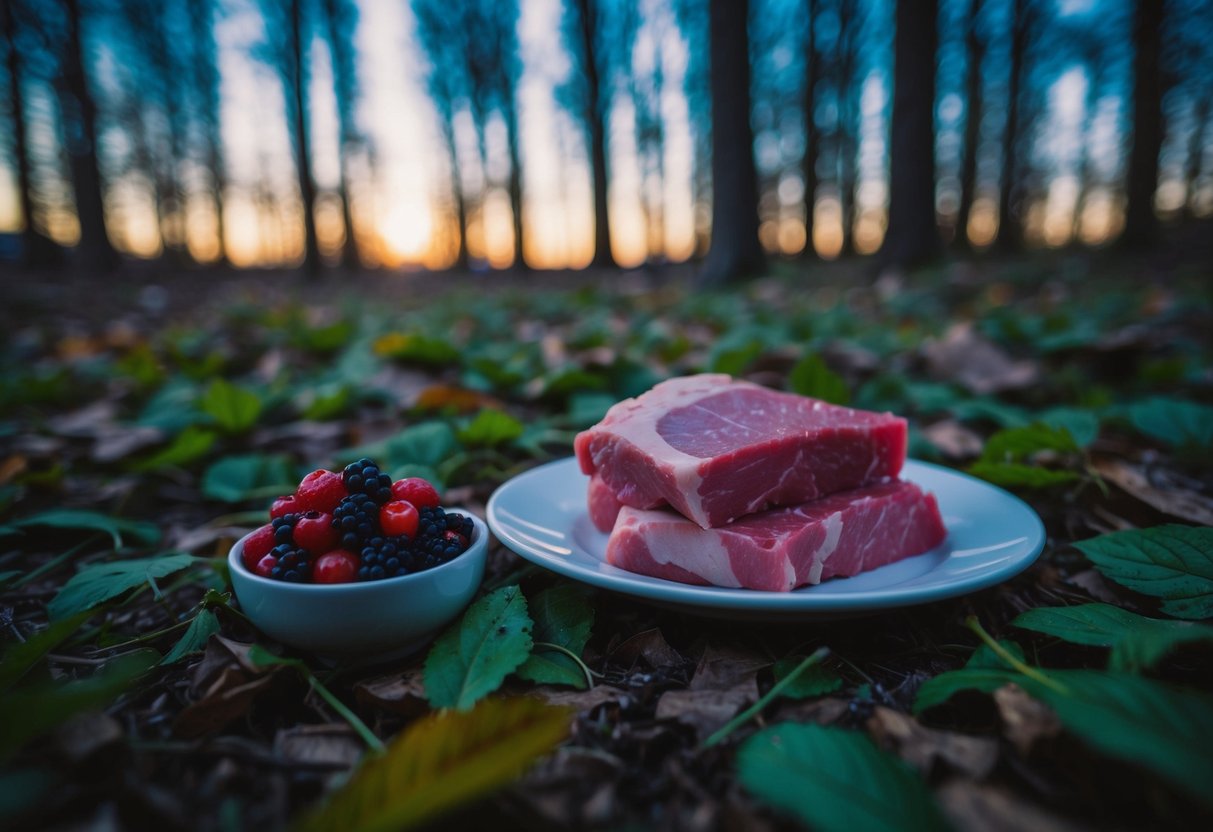
When feeding foxes, it’s important to choose the right foods to ensure their health and safety. Some fruits, vegetables, and protein sources can be great options. You want to attract them without harming their natural instincts.
Suitable Fruits and Vegetables
Foxes can enjoy a variety of fruits and vegetables. Safe options include:
- Berries: Strawberries, blueberries, and blackberries are tasty treats.
- Pears: These are a good choice when cut into small pieces, removing seeds.
- Carrots: Fresh or lightly cooked, they provide crunch and nutrients.
Make sure to keep everything clean and remove any uneaten food to avoid pests. Avoid foods like grapes and raisins, as these can be harmful to foxes.
Keeping it simple with small amounts will help keep them happy and healthy.
Protein Sources and Cooked Foods
For a good protein boost, you can offer several cooked options. Always make sure that meat is cooked without bones, which can splinter and cause harm. Safe options include:
- Cooked Chicken: A favorite for many foxes; just ensure it’s deboned.
- Eggs: Providing them raw or cooked is fine; eggs are nutritious and appealing.
- Cooked Turkey: Like chicken, ensure it’s pulled apart and free of bones.
Avoid processed meats as they may contain unhealthy additives. Offering these foods can help provide a balanced diet for your visiting foxes.
Don’t make a habit of leaving food out too often, as it may lead to dependency.
Foods to Avoid for Fox Health and Safety
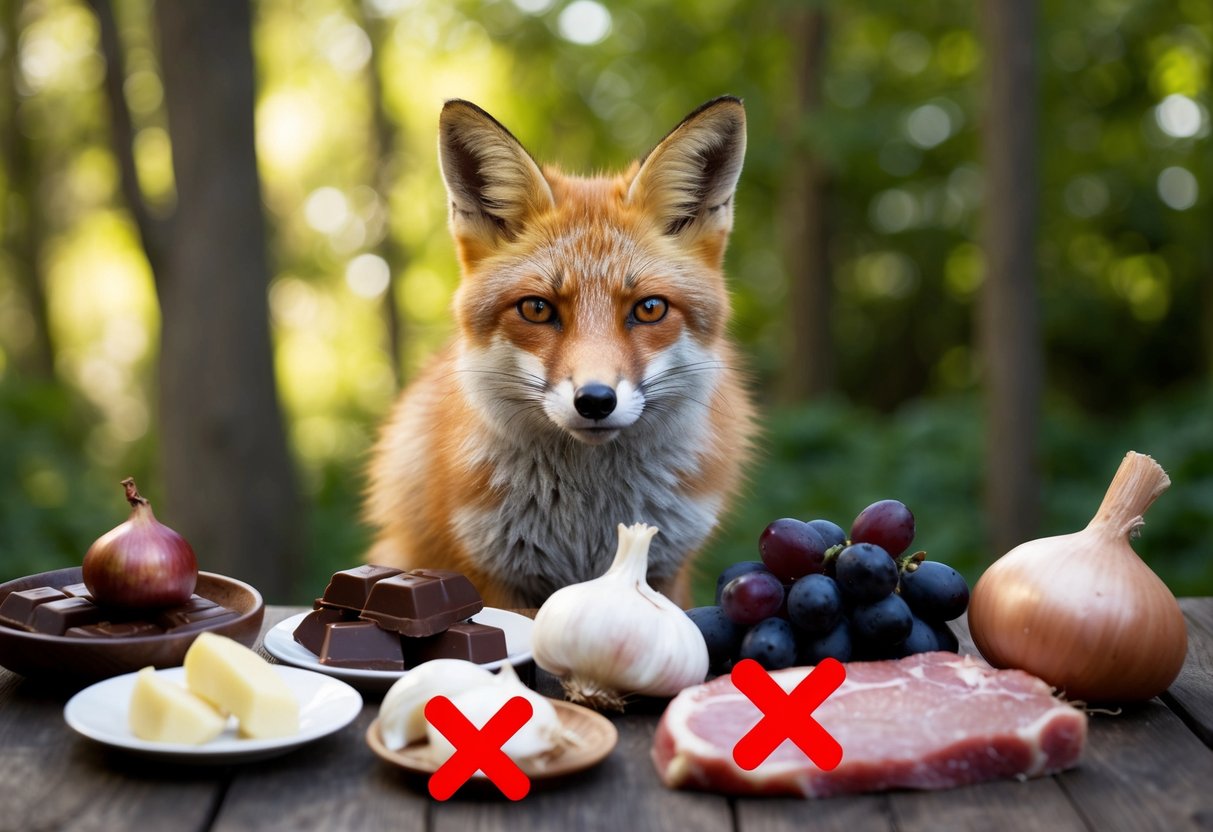
When caring for foxes, it’s essential to know which foods can be harmful to their health. Certain items can cause serious issues. Here’s what to keep away from your furry visitors.
Common Food Hazards for Foxes
Some foods are especially dangerous for foxes. Chocolate is one of the most harmful. It contains substances that can lead to serious health issues, including heart problems. Even small amounts can be toxic.
Grapes and raisins are also toxic. They can cause kidney failure in some animals. You should never leave these out for foxes.
Additionally, avoid feeding foxes green potatoes. They contain solanine, which is toxic and can lead to digestive issues or worse.
Keeping these hazardous items away can help protect their health and prevent diseases.
Understanding Toxic Foods
It’s important to recognize how certain foods can impact a fox’s well-being. Foods like chocolate can lead to toxic reactions, causing symptoms such as vomiting and increased heart rate.
Foxes also need the right balance in their diet. For instance, foods rich in taurine are beneficial, while those lacking necessary nutrients can harm them.
Diseases like distemper or rabies can spread if foxes are fed improperly or are in unhealthy conditions. Keeping harmful foods out of reach ensures their safety and encourages better health.
Making thoughtful choices about what you provide will help these animals thrive.
Feeding Practices and Considerations

When feeding foxes, it’s important to know how often and how much food to provide. You also need to think about how feeding might change their natural behavior. Keeping these factors in mind will help ensure their well-being.
Frequency and Quantity of Feedings
Start by feeding urban foxes 1-2 times a week. This gives them time to find natural food sources.
Monitor how much food they eat, and adjust accordingly. Avoid putting out too much food at once. Leave only what they can consume in a night to prevent waste.
It’s good practice to remove any uneaten food after a couple of days. This helps avoid attracting unwanted pests, like rats.
Regular feeding can also make foxes too reliant on you, so it’s best to limit amounts and frequency.
Impact on Natural Behavior and Habitat
When you feed foxes, think about how it affects their behavior. Feeding can change how they hunt, explore, and interact with their habitat. They might become less cautious, which can put them at risk from predators or other animals.
Additionally, regularly feeding these animals may encourage them to become too comfortable around humans. This can lead to issues with wildlife and animal control.
It’s essential to feed responsibly, as actively engaging with wildlife should promote their natural behaviors rather than disrupt them.


