
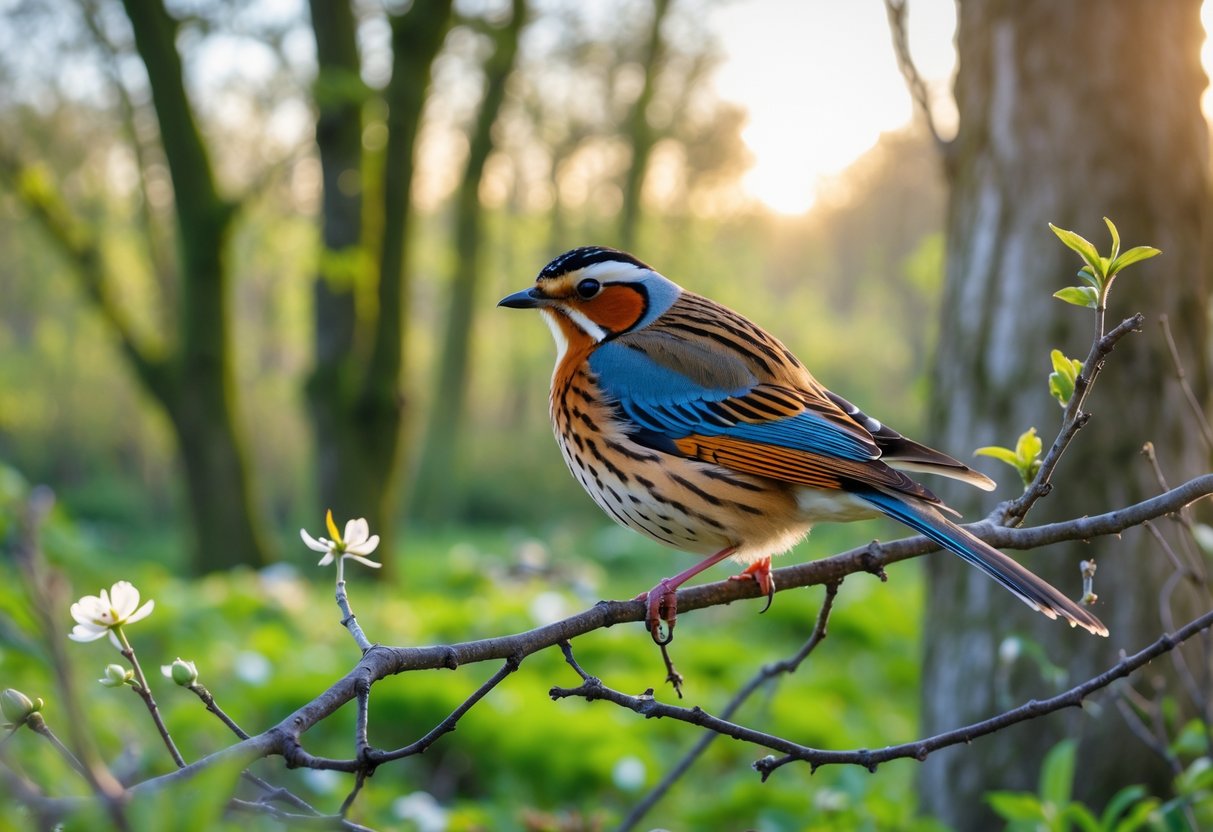
If you love birdwatching, you might find yourself wondering what rare bird shows up in the UK each year. The Harlequin Duck is one of those rare birds that really gets birdwatchers talking, especially when someone spots one in the Shetland Islands.
These ducks usually arrive between October and April. Sometimes, though, one turns up in summer—making the moment even more memorable.
You might also hear stories about other rare visitors, like the Glossy Ibis or the Hen Harrier. They’re tough to find, but catching a glimpse is always a thrill.
The UK acts as a key stopover for many rare migrating birds. If you keep your eyes open, there’s always a chance to see something unexpected.
Whether you’re a casual bird lover or you take your birdwatching seriously, knowing where and when these rare birds arrive can really level up your experience.
Recent Rare Bird Arrivals in the UK
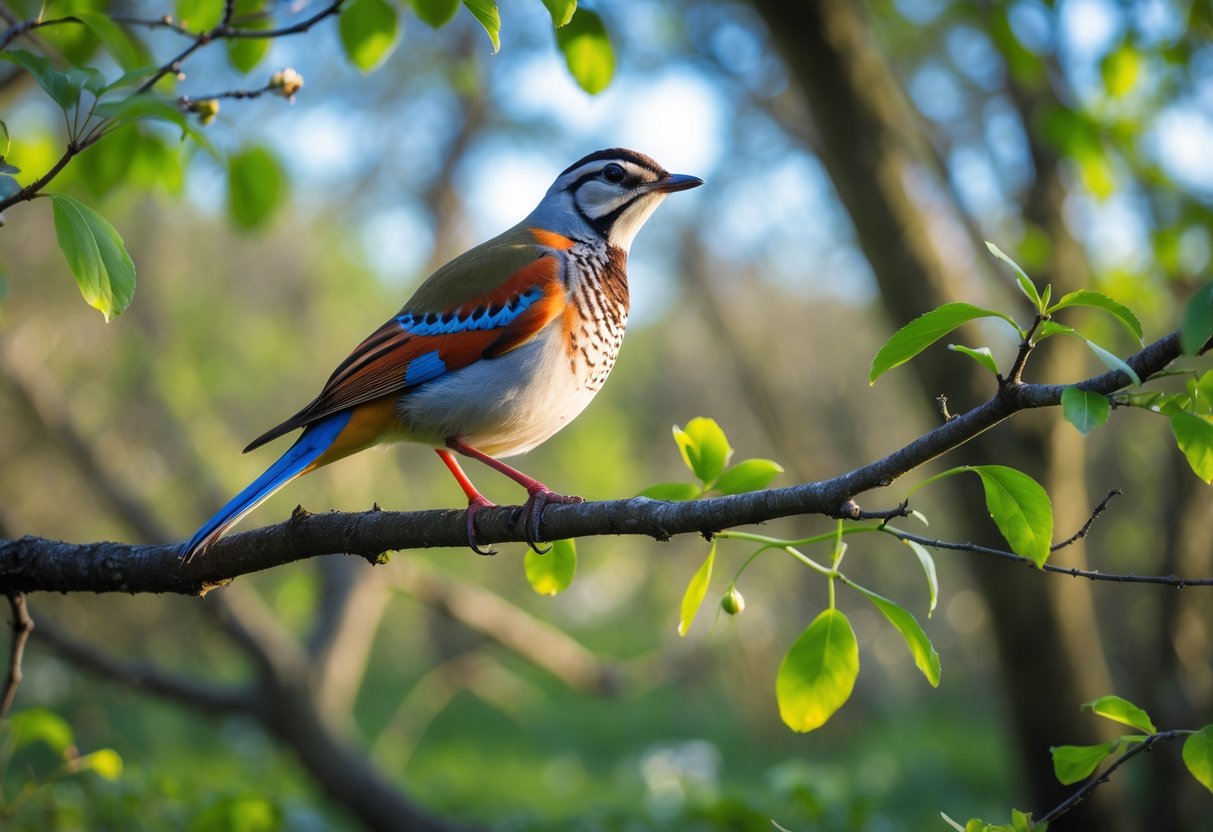
Lately, the UK has welcomed some exciting rare birds. You might spot unique species from places like southern Africa or central Asia.
Sometimes, these birds stick around longer than anyone expects. That gives birders more time to watch and learn about them.
Noteworthy First Records and Their Significance
One of the biggest surprises was the cape gull—a first for the British List. This gull, which usually lives in Namibia and South Africa, suddenly showed up at Grafham Water in Cambridgeshire.
Birders scrambled to confirm the sighting. The bird looks a lot like common gulls, but details like its dark eyes and chunky beak helped experts nail the ID.
Moments like this show how migration can toss a real curveball, bringing birds far from home. If you’re out birdwatching, you could be the one to spot the next record-breaker.
Committees check and double-check these records before they add them to official lists.
Standout Sightings Across the Country
In Kent, birders got lucky with a rare Eleonora’s falcon. This falcon usually lives in the Mediterranean but spent several days around Sandwich Bay and Worth Marshes.
Getting to watch it hang around instead of just passing through felt like a real treat.
Up in Greater Manchester, the white-tailed lapwing has been grabbing attention. This bird, which you’d normally find in Iran or Iraq, turned up in places like Seaforth and other wetlands.
When birds like these show up, birdwatchers celebrate the chance to see something completely new.
Important Sites for Rare Bird Sightings
Some spots, like Dungeness in Kent and the Norfolk broads, have become real magnets for rare birds. Dungeness often hosts the glossy ibis, which has started showing up more thanks to climate shifts and drier conditions down in southern Europe.
In Norfolk, Hickling Broad is worth a visit when rare birds like the white-tailed lapwing pop in. You could also check out Lancashire’s coast and nature reserves—sometimes the Eleonora’s falcon makes an appearance there too.
Visiting these places boosts your chances of spotting something rare. If you bring binoculars and keep an eye on local bird alerts, you might just get lucky.
Why Rare Birds Visit the UK
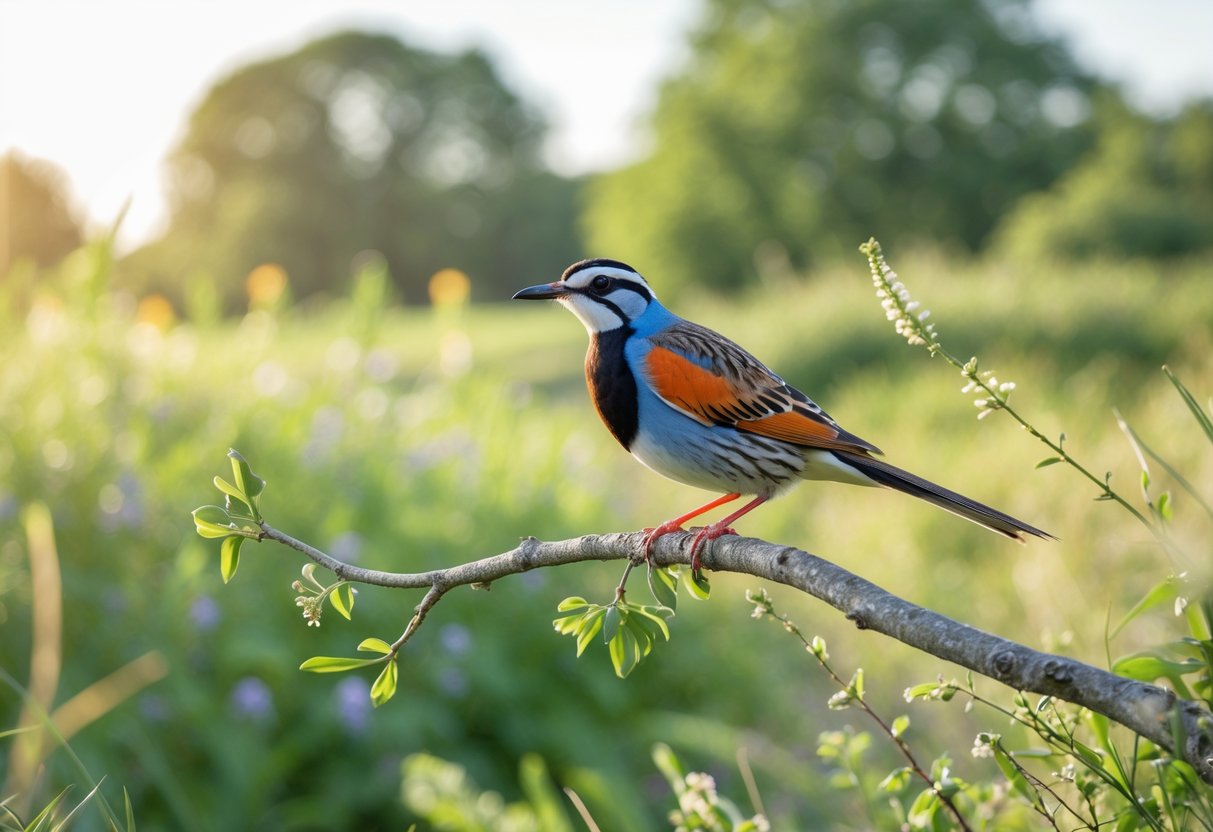
Rare birds show up in the UK for all sorts of reasons. Migration routes, climate changes, weird weather, and habitat loss all play a part.
Migration Pathways and Origins
Many rare birds visiting the UK follow long migration routes. Some come from Spain, eastern Russia, northern Canada, or even Alaska.
Birds from North America or Greenland might stop in the UK during their journey. They travel thousands of miles every year, searching for food, mates, or a new place to settle.
The UK sits right on a bunch of important migration pathways. So it often becomes a rest stop for birds that don’t usually live here.
Watching these visitors gives you a shot at seeing species you might never find anywhere else.
Climate Change and Changing Patterns
Climate change has started to shift bird movements. Warmer temperatures mean some birds show up earlier or stay longer in the UK.
Birds from southern Europe—like Spain—sometimes head north as the weather changes.
You might notice new rare species that used to be too far south or east to visit. It’s exciting for birdwatchers, but it also shows how birds are adapting—or struggling—with changes back home.
Impacts of Weather and Habitat Loss
Storms and other wild weather sometimes blow rare birds way off their usual paths. Suddenly, a bird from eastern Russia or Alaska might pop up in the UK—pretty strange, right? Birders call this vagrancy.
Meanwhile, when birds lose their habitats back home, they have to look for new spots to feed or rest. If places in northern Canada or Greenland shrink, these birds might end up traveling farther than before. Some eventually find their way to the UK, especially if they spot good shelter and food.
Want to help? Try supporting groups that protect habitats here and overseas. It’s a small thing, but it really does make a difference for the rare birds you might be hoping to spot nearby.
If you’re curious and want more info, take a look at this article about rare birds in Great Britain.


