
Basset Hounds are known for their friendly and affectionate nature, making them great family pets. However, they do come with some specific health problems that potential owners should know about. Understanding these issues can help you provide the best care for your lovable hound.

One common concern is hip and elbow dysplasia, which affects their joints and can lead to pain and discomfort. Additionally, Basset Hounds may experience blood disorders that can cause excessive bleeding. These health challenges highlight the importance of regular vet check-ups and attention to their well-being.
By being aware of these potential problems, you can better prepare for a life with your Basset Hound. Proper care and understanding can help ensure that your dog remains happy and healthy for years to come.
Common Health Issues in Basset Hounds
Basset Hounds are adorable companions, but they can face various health challenges. It’s important for you to be aware of these issues to ensure your dog remains happy and healthy.
Skeletal and Joint Concerns
Basset Hounds are prone to several skeletal and joint problems. Hip Dysplasia is a common condition where the hip joint doesn’t fit into the hip socket properly. This leads to pain and can result in arthritis as your dog ages.
Elbow Dysplasia is another concern, affecting their front legs. This also causes pain and lameness.
Intervertebral Disc Disease (IVDD) can occur due to their long backs, leading to mobility issues. Wobbler Syndrome is a neck condition that causes weakness and unsteadiness.
Regular vet check-ups can help detect these issues early. Maintaining a healthy weight through diet and exercise plays a big role in reducing joint stress.
Eye Conditions
Basset Hounds can develop several eye conditions due to their unique features. Ectropion causes their eyelids to turn outward, leading to irritation and potential infections. Entropion, on the other hand, has the eyelids turning inward, which can be painful.
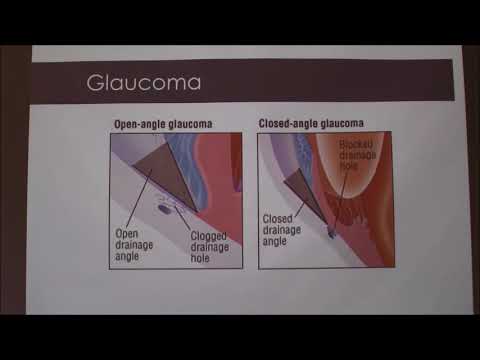
Glaucoma is a serious condition that increases pressure in the eye, potentially leading to vision loss. Another common problem is Cherry Eye, where a gland in the eyelid protrudes. Lastly, Cataracts can develop, affecting vision.
Regular eye exams are important for catching these issues early. Pay attention to any changes in your dog’s vision or eye appearance.
Ear and Skin Problems
Basset Hounds are known for their long ears, which can create unique challenges. They are prone to ear infections since their ears trap moisture and warmth. Regular cleaning is key to preventing infections.
Skin issues can also arise. Conditions like Seborrhea cause flaking and itching. Their loose skin can trap moisture, leading to infections.
You should keep an eye out for unusual itching or odors. It’s important to consult with a vet if you notice any signs of discomfort. Regular grooming can help manage these problems and keep your Basset Hound healthy.
Diet and Lifestyle Considerations

Taking care of your Basset Hound’s diet and lifestyle is crucial for their health. Proper nutrition and a balanced diet can prevent many problems, including obesity and gastrointestinal issues.
Obesity Prevention
Basset Hounds love to eat, and this can make them prone to obesity. You should measure their food portions to prevent overeating. A balanced diet is key. Look for high-quality dog food with lean proteins and healthy fats.
To help manage their weight, keep a consistent feeding schedule. Avoid giving too many treats, and be cautious with table scraps. Regular exercise is equally important. Daily walks or playtime can help keep them active and fit.
Monitor their body condition by feeling their ribs. If they’re hard to feel, it might be time to cut back on food or increase exercise.
Gastrointestinal Risks
Basset Hounds can face gastrointestinal issues like bloat, gastric torsion, or gastric dilatation-volvulus. To reduce these risks, feed smaller meals throughout the day instead of one large meal.
High-quality food that is easy to digest is important. Avoid foods that are rich in fillers or by-products.
Also, discourage vigorous exercise right after meals; this can help prevent stomach problems. If your dog shows signs of discomfort after eating, like bloating or restlessness, consult your vet for early detection and intervention.
Behavioral Traits and Training

Basset Hounds have unique traits that can affect how you train and interact with them. Their friendly and affectionate nature makes them wonderful pets, yet their stubbornness can pose a challenge in training.
Understanding Basset Hound Temperament
Basset Hounds are known for their friendly and affectionate demeanor. They thrive on companionship and enjoy being around people. However, their stubbornness can make them a bit difficult to train. This breed was originally used for hunting, which contributes to their strong instincts.
You may notice your Basset Hound being vocal, especially if they feel bored or anxious. Their loud barking can become an issue if not addressed early. Many Basset Hounds also experience separation anxiety. This concern can lead to destructive behaviors when they feel left alone for too long. Recognizing these traits is essential for fostering a positive relationship with your pet.
Effective Training Strategies
Training your Basset Hound requires patience and creativity. Start with positive reinforcement techniques, such as treats or praise, to make learning enjoyable. They respond better when they associate commands with affection and rewards.
Keep training sessions short and engaging since Basset Hounds can get distracted easily. Incorporate socialization opportunities with other dogs and people to help your Basset develop confidence. Address any stubborn behaviors gently and consistently. Avoid harsh corrections as they can lead to fear or aggression.
Regular exercise is also important for reducing excess energy, which can help minimize barking and other behavioral issues. Remember, consistent training fosters a strong bond between you and your Basset Hound, making every moment rewarding.
Special Considerations for Basset Hound Care

Basset Hounds are beloved for their unique characteristics, but they come with specific care needs. To keep your Basset Hound healthy, you should focus on regular veterinary visits and managing common health risks.
Regular Veterinary Check-ups
Regular veterinary check-ups are essential for your Basset Hound’s well-being. These visits help in monitoring their health and catching potential issues early. Basset Hounds are prone to certain conditions like Basset Hound Thrombopathy, a blood clotting disorder that affects their ability to form clots properly.
Your vet will perform routine tests to check for signs of this disorder and other health issues such as dilated cardiomyopathy or spinal problems. Make sure to schedule yearly wellness exams and discuss any concerns you may have about your dog’s shedding or drooling. Early detection of health problems can make a significant difference in treatment outcomes.
Managing Common Health Risks
Basset Hounds have unique anatomy that can lead to specific issues. Their long, floppy ears can easily get infected, so regular ear cleaning is important.
Additionally, you should pay attention to their diet to prevent obesity, which can worsen spinal conditions. Incorporate a balanced diet and regular exercise tailored to your dog’s energy level.
Monitor for symptoms of thrombopathia, which can include unusual bleeding or bruising. If you notice any health changes, consult your vet immediately.


