
Have you ever spotted a chunky squirrel in your yard or at the park and wondered what’s going on? Squirrels get fat mostly because they eat a lot of high-calorie foods and stash away extra energy as body fat to survive when food runs low. Let’s take a look at what they munch on, how their habits shift with the seasons, and how their surroundings help them bulk up.

It’s surprisingly easy for squirrels to snack on nuts, seeds, scraps from humans, and whatever they find in bird feeders. These calories add up fast. When squirrels hoard food, move around less, and deal with chilly weather, they end up building even more fat reserves.
Let’s get into the main reasons behind these chunky critters and what it all means for the squirrels living near you.
Key Causes of Squirrels Getting Fat
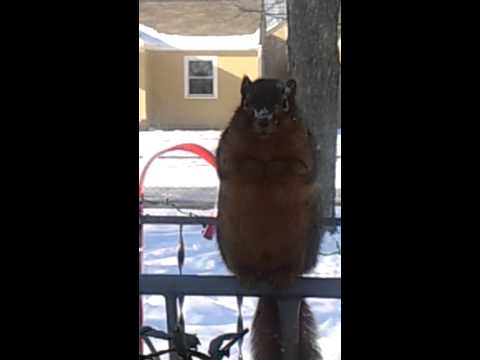
Squirrels fatten up for a few reasons. They need extra body fat for winter, chow down on calorie-heavy foods like nuts, take advantage of human food sources, and show natural size differences depending on where they live.
Seasonal Weight Gain and Preparation for Winter
As late summer and fall roll in, squirrels start packing on fat to get through the lean winter. If you see a squirrel looking extra round in autumn, it’s probably storing energy as fat and growing a thicker coat.
This extra weight keeps them warm and fuels them when there’s not much to eat.
Squirrels scatter-hoard—basically, they hide lots of little stashes of nuts and seeds all over the place. Watch one for a while, and you’ll see it bury nut after nut, sometimes dozens in a single day.
All that eating during the fall means calories get stored as fat, which helps them during torpor or those nasty cold snaps.
Wild squirrel species that hibernate or stay inactive for long stretches really ramp up their fattening before winter. Even tree squirrels that stay active put on extra weight to lower their risk of starving if the weather suddenly turns harsh.
High-Calorie Diet and Nut Consumption
Nuts, seeds, and acorns make up most of what squirrels eat, and these foods are loaded with calories. During peak seasons, a squirrel can eat a surprising number of high-fat nuts in just a day, and that leads to fast weight gain.
In years when trees drop tons of nuts (so-called “mast years”), squirrels eat even more and bulk up noticeably. If you’ve set up a bird feeder, you’ve probably seen squirrels gobble up sunflower seeds and peanuts—these are pure calorie bombs.
Natural foods give squirrels balanced nutrition. But if their diet leans too much toward oily seeds or human snacks, they’ll easily get heavier than they would in the wild.
Human Influence: Bird Feeders and Urban Environments
Backyard bird feeders basically turn into all-you-can-eat buffets for squirrels. They raid feeders for sunflower seeds and peanuts, sometimes wolfing down a huge amount in a short time.
This easy food access means squirrels in towns often weigh more.
Cities also offer up trash, compost piles, and the occasional handout. You might notice plumper squirrels wherever trash bins are left open or people toss out food for wildlife.
With fewer predators around in urban areas, squirrels get bolder and spend more time eating out in the open.
You can actually change this by using squirrel-proof bird feeders, keeping trash lids tight, and not feeding wildlife directly. These steps help keep city squirrels’ weight closer to what’s normal in the wild.
Genetic Factors and Squirrel Weight Differences
Genetics and local adaptation play a role too. Squirrels from colder regions often have genes that make them bigger or help them store fat faster.
You’ll spot these chunkier squirrels if you travel north or to higher elevations.
Sex and age matter as well. Female squirrels sometimes put on extra weight before breeding or hibernation, while younger squirrels stay leaner as they’re still growing.
Different species—like tree squirrels versus ground squirrels—also vary in how much fat they carry.
If you compare squirrels in the city to those in the countryside, or look at different regions, you’ll see how genetics and environment shape their typical size.
Environmental and Behavioral Factors in Squirrel Weight

Let’s talk about how squirrels’ feeding, movement, predators, and the local climate affect their body fat and weight. Why do some squirrels get chunky and others stay trim? Which habits make the biggest difference?
Scatter Hoarding and Food Storage Habits
When squirrels scatter-hoard, they bury lots of tiny food stashes all over their territory. This habit means they gather a ton of high-calorie nuts and acorns.
When there’s plenty to eat, they gobble up more and turn those extra calories into fat.
Caching food changes how often squirrels go out looking for snacks. In fall, you’ll see them making more trips to collect and bury food, which bumps up their daily calorie intake.
That extra eating, plus time spent digging up stashes, helps them fatten up for winter.
Easy food sources in cities, like bird feeders, make this effect even stronger by offering steady calories all season.
Reduced Activity Levels and Mild Winters
Mild winters mean squirrels don’t have to work as hard to stay warm or move from tree to tree. In these climates, you’ll see squirrels staying active but burning less energy compared to those in colder areas.
Less energy spent means more gets stored as fat, especially if food is always around.
When there’s less snow, squirrels don’t have to trek as far to reach their food or hidden caches. You’ll see them spending less time climbing or traveling long distances, so they burn fewer calories.
With food easy to find, it’s not hard for squirrels to keep that plump look all through fall and winter.
Predator Presence and Competition
How many predators are around changes how squirrels act while foraging. If there aren’t many threats, squirrels spend more time eating out in the open and grab more calories.
Extra feeding time usually means heavier squirrels.
Competition for food matters too. If lots of squirrels or other critters are fighting for the same food, individuals might binge when they find a stash.
You’ll spot fatter squirrels in spots with lots of human food and not many predators. On the flip side, if predators are common or there’s fierce competition, squirrels stay leaner because they can’t feed as long or as safely.
Regional Variability and Ecological Impacts
Squirrel weight really depends on where they live and what they eat. In oak-heavy forests, squirrels bulk up on calorie-dense acorns every fall.
City squirrels, on the other hand, have easy access to human food and bird feeders. That means you’ll often spot plumper individuals throughout the year.
The local habitat shapes how squirrels store fat, too. Ground squirrels and species that hibernate usually pack on more fat than those tree squirrels that stay active all year.
When people change the land—like adding more lawns and cutting down native trees—it shifts what food is around. That can totally change the average weight of squirrels in an area.


