
Ever watch a squirrel dart, leap, and chatter and just think—what on earth are they doing? Squirrels look “crazy” because they’re always chasing food, dodging predators, or staking out territory. To us, that chaos is just their way of surviving.
If you spot wild, erratic moves, chances are the squirrel is foraging, escaping danger, or sending signals to other squirrels.

You’ll also notice playfulness, mating urges, or stress from lousy weather and empty food stores changing how they act. Let’s dig into the main reasons behind those wild acrobatics and what each odd move actually means.
Top Reasons Squirrels Act Crazy
You’ll catch fast, jerky moves, noisy chases, and sudden bold leaps. These come from a few clear causes: getting away from predators, chasing mates, defending turf, and searching for food.
Predator Evasion and Sudden Movements
If a hawk, cat, or fox shows up, a squirrel reacts instantly. You’ll see sharp zigzags, quick stops, and sudden freezes.
These moves throw predators off and make it tough to predict where the squirrel will go next. Squirrels use trees and branches to change course mid-leap.
A grey squirrel might jump and then flatten against a trunk to hide. Red squirrels sometimes dart along high branches to slip away. These tricks definitely help them avoid getting caught.
If you watch closely, you’ll spot tail flicks and hear short alarm calls. Those warn other squirrels and help everyone coordinate an escape.
The behavior seems “crazy,” but it’s really a precise, practiced routine.
Mating Season Frenzy
In late winter and late summer, hormones send male squirrels into overdrive. You’ll hear frantic chases as males dash after females across lawns and up trees.
Males sprint at full speed and jostle each other for position. Sometimes you’ll see wild tumbling fights or long chase chains with several males after one female.
Females act more defensive and restless while prepping nests. You’ll notice more vocalizing and bold moves near their chosen spots.
The frenzy makes them throw caution aside—mating comes first, safety second.
Territorial Disputes and Dominance
Squirrels claim and defend the best feeding spots and nest areas. If you set up a feeder, expect loud chases and aggressive displays from your local crew.
You’ll see tail flicks, charging, and even mock bites during disputes. Bigger or older squirrels usually push others away.
Grey squirrels often dominate feeders in parks. Red squirrels stick to smaller, fiercely defended patches in the woods.
Territorial fights look wild but follow a pattern: approach, threaten, then a quick chase. The goal? Drive off rivals fast and avoid wasting energy or getting hurt.
Food Scarcity and Foraging Mania
When nuts and seeds run low, squirrels turn into little search machines. They dig more holes, check hiding spots faster, and might even raid bird feeders or trash cans.
You’ll notice frantic digging and squirrels returning again and again to their caches. Grey squirrels often expand their search in cities, while reds double down on storing cones in forests.
Both types act bolder when food is short. Human food changes things too—feed them, and they’ll lose some fear and might even get pushy at feeders.
Their actions can seem even more unpredictable when food is involved.
Unique Squirrel Behaviors Explained
Squirrels use body language and sounds to warn, compete, or just play. Curious about what those gestures and calls actually mean? Let’s break down a few.
Tail Flicking and Body Language
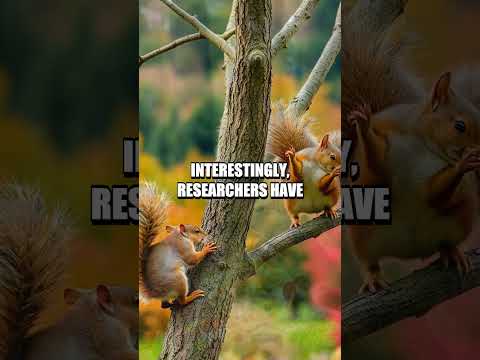
When a tree squirrel flicks its tail, it’s usually nervous or annoyed. If you spot fast, repeated tail flicks while a squirrel faces a cat or hawk, it’s warning others and getting ready to bolt.
Slow tail movement helps with balance during jumps. Posture matters too.
A squirrel standing tall on its hind legs with a stiff tail is on alert, scanning for trouble. If it crouches and flattens out, it’s probably trying to hide.
Tail position, ear angle, and fluffed-up fur all combine to show mood and threat level—if you know what to look for.
Chattering and Vocal Signals
Squirrels chatter to warn about danger, claim territory, or during the chaos of mating season. That sharp, rapid “chatter” near a feeder usually means a predator or an aggressive rival is nearby.
Loud, drawn-out barking means higher urgency, like when a predator climbs closer. Different species sound different.
Eastern gray squirrels use a mix of chirps and barks, while red squirrels have higher, more nasal calls. If you want to ID squirrels by sound, listen for pitch and rhythm.
Short, frequent notes often mean immediate alarm. Longer, rhythmic calls are more about territory.
Playful Chasing Among Young Squirrels
Young squirrels chase each other to practice balance, jumping, and fighting. You’ll see quick, looping runs through branches and short, silly mock fights.
This play helps them get good at escaping predators and defending their future homes. Play fights include gentle bites and brief wrestling.
Adults usually tolerate it to teach the kids some limits. In spring or summer, you’ll spot this more often—lots of new litters exploring beyond the nest.
Lying Flat and Other Strange Actions
Ever noticed a squirrel lying flat against a branch or tree trunk? It’s probably hiding from predators or just trying to blend in with the bark.
Sometimes, you’ll catch them suddenly freezing in place. That stillness helps them avoid being spotted by hawks or cats. These little moves help them survive—it’s not a sign they’re sick.
Squirrels have other weird habits too. They might flag their tails at rivals or dig frantically when they’re hiding food.
During mating season, you’ll see them darting across open ground in wild chases. If you spot a squirrel stumbling, tilting its head, or acting way too aggressive, just steer clear; it could be sick or dealing with parasites.
For the more common quirks like tail-flagging or chattering, pay attention to the differences between species. You’ll learn a lot about your local squirrel crowd that way.


