
You might think lions fear dogs, but honestly, that’s not usually the case. Lions almost never fear a single domestic dog, though some big breeds or a determined pack can make a lion hesitate. Let’s dig into which dogs might actually make a lion pause—and why.

If you want straight answers, you’ll see how breed, size, and the way dogs work together can tip the balance between a dog and a lion.
Some dogs, especially those bred to guard or hunt big game, can actually stand up to lions—at least under the right circumstances.
Do Lions Fear Dogs? Understanding the Truth
Lions don’t react the same way to every dog. Their response depends on the dog’s size, how many there are, and the situation.
Sometimes a single pet is at risk, but packs or certain breeds can actually change how a lion behaves.
Lion Behavior and Apex Predator Status
Lions rule the top of the African food chain. They hunt big animals like zebras and buffalo, and they defend their turf with loud roars and constant patrols.
Because they’re so strong and hunt together, they act bold around most solitary animals.
But lions don’t pick pointless fights. If the terrain is tricky, they’re injured, or they feel outnumbered, they’ll back off.
You’ll notice individual lions sometimes act cautious around humans, weird noises, or aggressive animals that could hurt them. Makes sense, right?
Are Lions Afraid of Dogs or Packs?
A single small dog won’t scare a lion. If you bring a little pet near a lion, the lion probably sees it as prey, not a threat.
So, don’t expect your dog to protect you from a lion.
But when you have a pack, things change. Groups of dogs can harass, chase, or even corner a lion.
Lions sometimes retreat from loud, persistent packs because they don’t want to risk getting hurt or outnumbered.
The size, aggression, and teamwork of dogs make them a lot more effective together than alone.
Lions and African Wild Dogs: Competition and Avoidance
African wild dogs aren’t pets—they hunt in tight packs and use teamwork and stamina to chase down prey.
When lions and wild dogs cross paths, it’s usually about fighting over food or territory.
Lions sometimes kill wild dogs to cut down on competition, but they don’t love long fights, since wild dogs attack in groups.
Research shows lions can act wary around wild dog packs and will sometimes even abandon a kill to avoid a drawn-out fight.
It’s a mix of rivalry and just plain common sense—why risk it if you don’t have to?
If you’re curious, you can read more about how lions and wild dogs interact in this article on competition and pack dynamics: (https://www.restonyc.com/are-lions-afraid-of-wild-dogs/).
Dog Breeds Known to Deter Lions
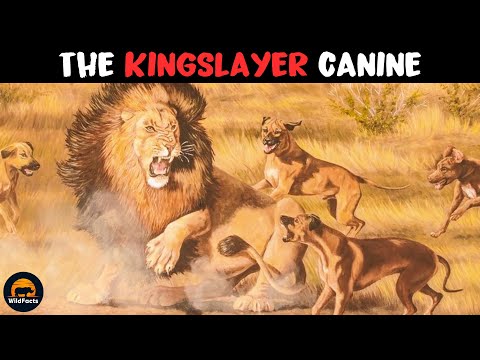
Some breeds have the size, guts, and instincts for guarding. They’ll alert you early, hold their ground, and sometimes even make a big cat turn away instead of fighting.
Rhodesian Ridgeback: The Lion Hunter
This breed’s history is all about tracking big cats. People bred Rhodesian Ridgebacks in southern Africa to bay and corner lions until hunters could catch up.
That background gave them steady nerves and a strong drive to chase prey—enough to make even a mountain lion hesitate.
Ridgebacks stand about 24–27 inches tall and usually weigh 70–85 pounds. They’re big but still quick on their feet.
Their deep chests and muscular bodies let them chase or hold a spot without tiring out too fast.
If you train yours, focus on recall and controlled aggression. Socialize them so they don’t chase every critter, and teach them to use their bark and posture to distract or corner a predator until you step in.
Boerboel and Anatolian Shepherd: Guardians with Strength
These two breeds are made for protecting livestock and families. Boerboels are big, powerful dogs from South Africa, famous for their strong bite and steady nerves.
Anatolian Shepherds come from Turkey and use their size, stamina, and sharp instincts to guard flocks from wolves and big cats.
Both breeds rely more on their intimidating presence than on fighting all the time.
A Boerboel’s sheer size and bold attitude can make a lion think twice about picking a fight.
The Anatolian Shepherd uses independent judgment to size up threats and act fast, even without your constant direction.
If you own one, work on fencing, clear leadership, and—if you have livestock—introducing them to the animals they’ll protect.
They need space, regular training, and some exposure to wildlife sounds, so they learn to deter rather than chase.
That way, you keep both your dog and the local wildlife safer.
Agility, Courage, and the Power of Pack Dynamics
You don’t always need the biggest dog to keep a lion at bay. Honestly, it’s all about the right mix of speed, guts, and teamwork.
Agile breeds—or even just a couple of determined guardians—can corner a predator. They dart in, bark like mad, and push the threat away from your livestock or family.
Agility helps a dog dodge claws and teeth. Courage keeps it standing its ground until you can step in.
Pack dynamics really change the game. When several dogs work together, they split the predator’s focus and lower the risk for each dog.
Train your dogs for teamwork. Try group exercises, recall drills, and even play predator sounds so each dog learns what to do—maybe one alarms, another flanks, and a third holds position.
It’s smart to pair these trained dogs with solid physical defenses. Things like strong pens or motion-activated lights make a difference, and together, you’ve got a much better shot at keeping lions away without things getting out of hand.


