
When looking for the smartest dog for kids, you should find a breed that has intelligence and a friendly temperament. The Border Collie consistently ranks as one of the smartest dog breeds and is known for being great with children. Their ability to learn quickly and eagerness to please makes them ideal canine companions for families.
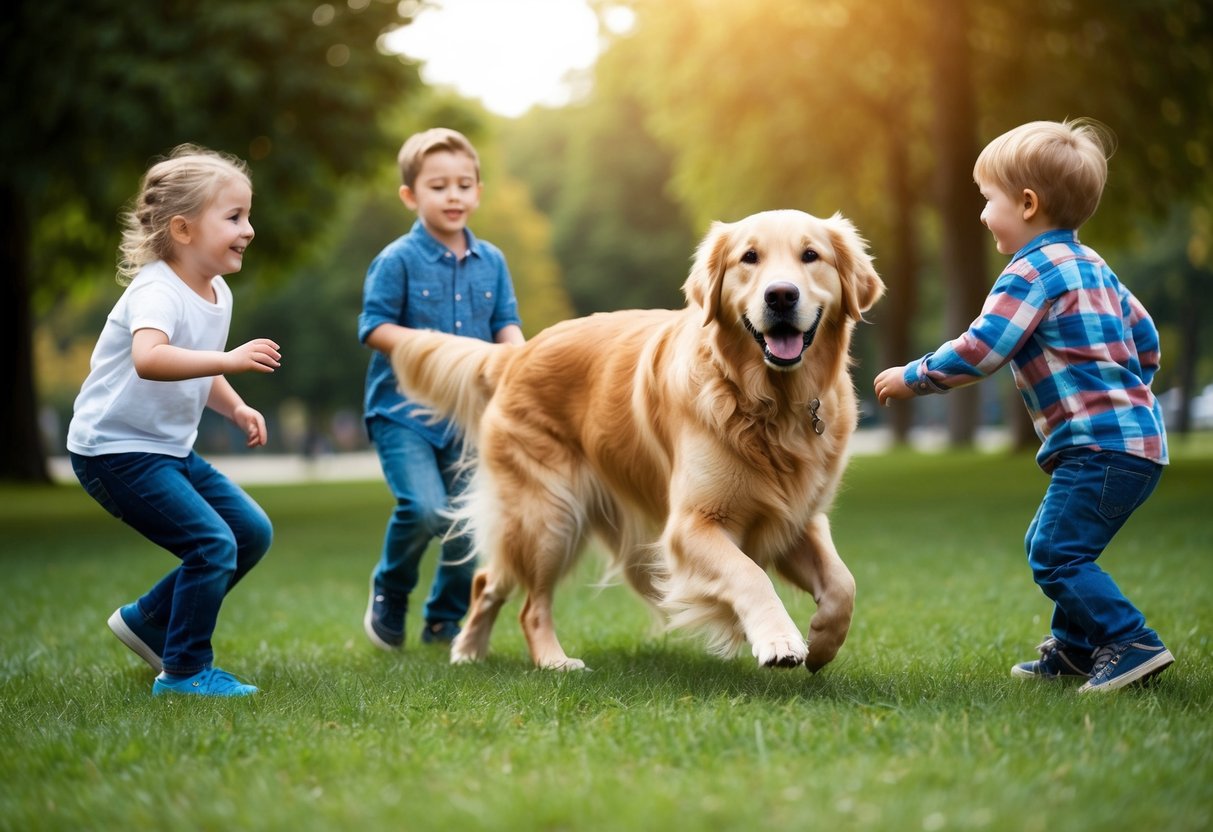
Other breeds like Golden Retrievers and Labradors also shine when it comes to family dynamics. These intelligent dogs are known for their gentle nature and love for kids, which adds to their appeal. When considering a family dog, you want a pet that can engage with your children while also being easy to train and handle.
Choosing the right dog can create a wonderful bond for your family. As you explore different options, prioritize intelligence and temperament. This will help ensure you find a playful friend who brings joy and love to your home.
Assessing Intelligence and Trainability in Dogs
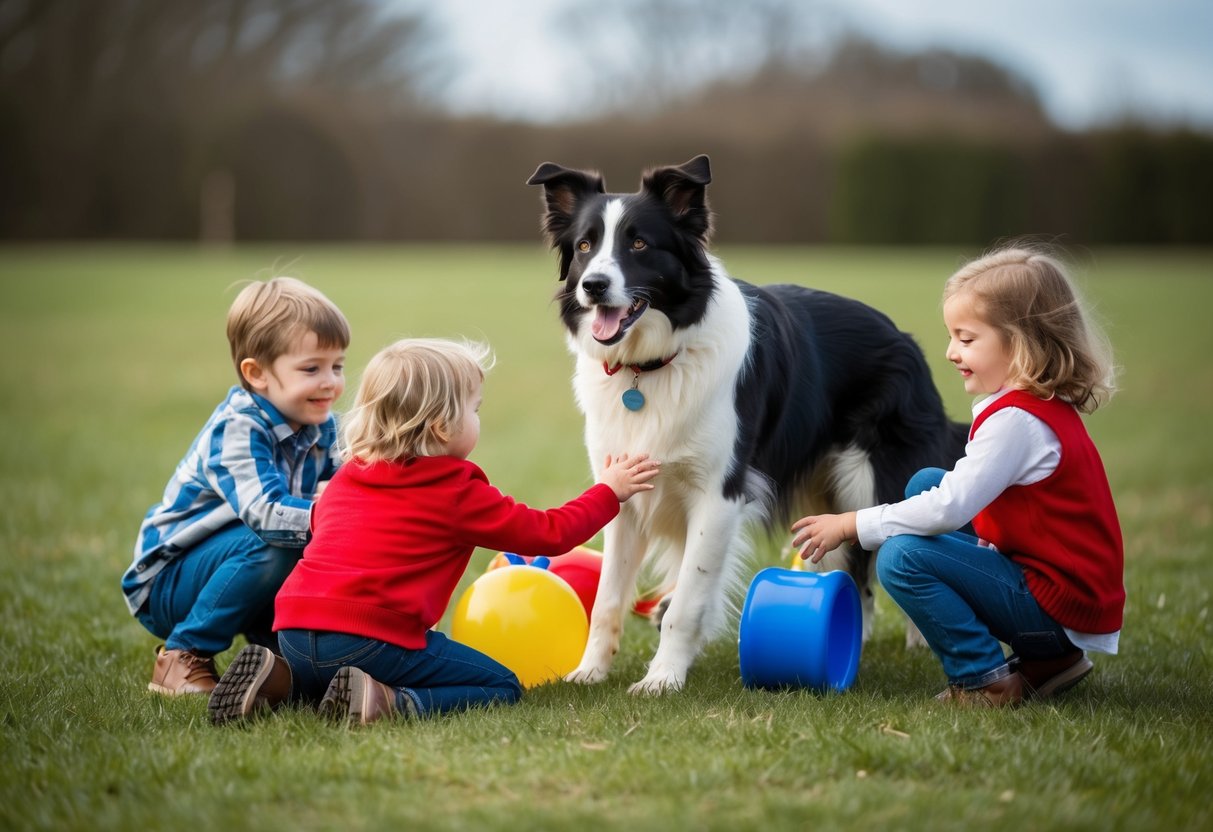
When choosing a dog for kids, assessing intelligence and trainability is crucial. Understanding how dogs think and learn can help ensure you find a breed that suits your family’s needs.
Understanding Dog Intelligence and Instinct
Dog intelligence can be broken into different types, including instinctive, adaptive, and working intelligence. Instinctive intelligence refers to natural behaviors. For example, herding breeds, like Border Collies, excel in specific tasks.
Adaptive intelligence, on the other hand, is about how well a dog learns from its environment. For instance, a pup that quickly figures out how to open a door shows strong problem-solving skills.
Breeds like the Poodle and Golden Retriever are known for high adaptive intelligence. They thrive on mental stimulation and enjoy activities that challenge them. Providing puzzle toys or engaging games can boost their cognitive skills.
The Importance of Obedience Training
Obedience training plays a significant role in a dog’s overall behavior. Positive reinforcement methods help strengthen good habits. Using treats or praise encourages your dog to follow commands. This form of training builds a strong bond between you and your pet.
Dogs that learn basic commands, such as “sit” and “stay,” become more manageable and confident. Consistent practice, patience, and fun can make training sessions enjoyable for both you and your dog.
Remember, a well-trained dog is often a happier dog. Investing time in obedience and socialization ensures a smooth integration into your family life. This practice helps create a positive environment for your children and your furry friend.
Best Dog Breeds for Kids and Families

Choosing the right dog for your family is crucial, especially when there are kids involved. You want a breed that is not only smart but also has a great temperament and is gentle with children.
Top Intelligent Breeds for Kids
When looking for a smart breed, consider the Labrador Retriever. Labradors are known for their high intelligence and ability to learn quickly. They are eager to please, which makes training easier and more fun for you and your kids.
Another fantastic option is the Golden Retriever. Like Labradors, they are quick learners and adaptable. Their friendly nature makes them great companions for children, promoting a loving environment.
The Poodle is also one of the most intelligent breeds. Poodles come in three sizes: Standard, Miniature, and Toy. They are very trainable and enjoy participating in family activities. You can even find creative ways to teach them tricks that will entertain your kids!
Selecting a Dog with a Friendly Temperament
It’s important to choose a breed with a good temperament. Beagles are known for their friendly disposition. They love to be around people and are very social. Their playful nature makes them excellent companions for children.
The Collie is another breed with a friendly and protective temperament. They are gentle with kids and usually form strong bonds with family members. Their loving attitude provides reassurance and comfort to your children during playtime or when they need a friend.
Breeds with Patience and Gentle Nature
For families with younger kids, a breed that exhibits patience is essential. Golden Retrievers fit the bill again. Their calm demeanor allows them to handle the energy of children without getting overwhelmed.
Great Danes may be large, but they are known for their gentle nature. They are patient and love to cuddle, making them a great choice for families looking for a giant companion. Just monitor their size around small kids for safety.
Smart Dog Breed Profiles
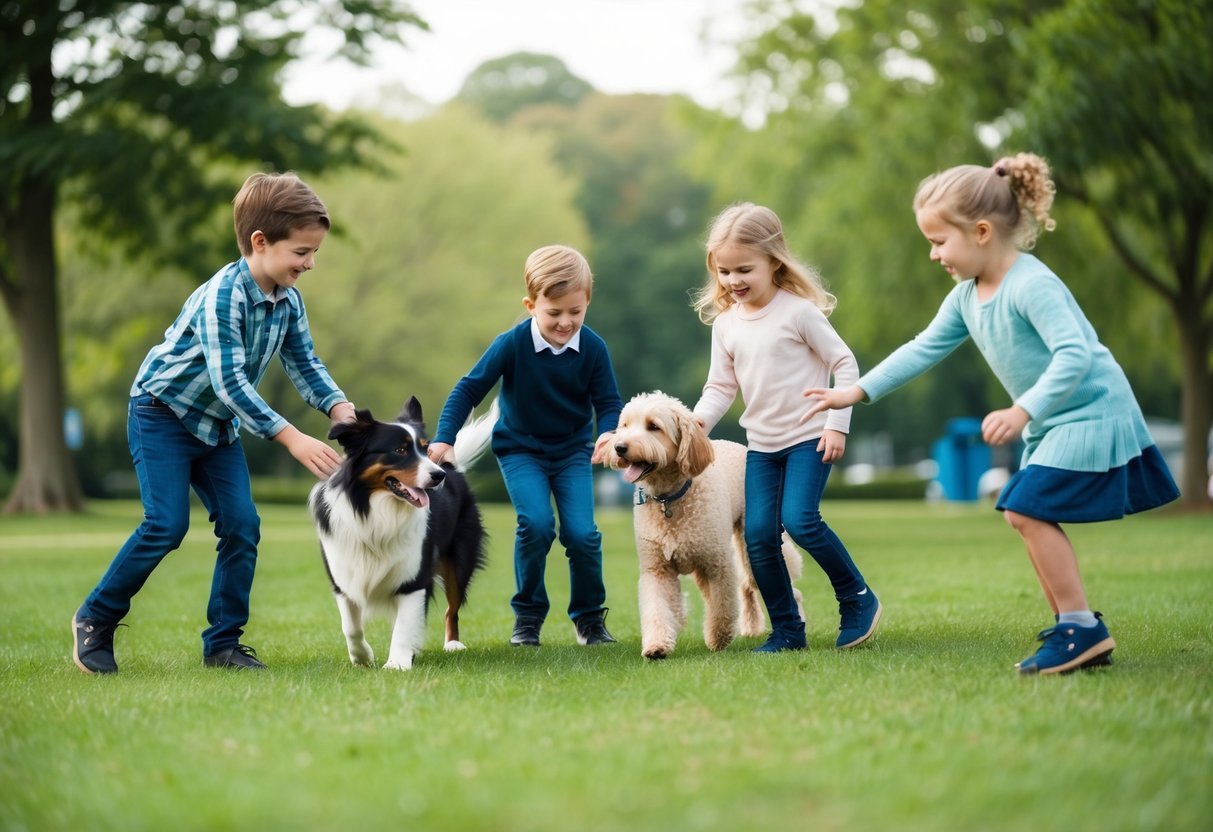
When choosing a smart dog for kids, it’s essential to consider breeds known for their intelligence, friendliness, and trainability. Below are profiles of three excellent choices that make great family pets.
Collie: The Loyal Family Companion
Collies are well-regarded for their loyalty and protective nature. Known for their ability to bond closely with families, they are especially good with children. Their intelligence allows them to learn commands quickly, which makes training more manageable.
Collies are also patient and gentle, adapting well to the energetic play often found in homes with kids. They require regular exercise to stay healthy and happy. Activities like fetch or long walks suit them perfectly.
With their stunning coats and friendly demeanor, Collies are not just family pets. They serve as excellent watchdogs, always alert when it comes to your loved ones.
Poodle: The Clever Performer
Poodles are among the smartest dog breeds you can find. They excel in obedience and agility, which makes them fun companions. Available in standard, miniature, and toy sizes, Poodles fit well into various family lifestyles.
Their trainability is impressive; they grasp commands quickly and have a charming personality. Poodles love to be part of family activities, whether it’s playing in the yard or snuggling on the couch.
Besides intelligence, Poodles are hypoallergenic, meaning they shed less fur, which is a plus for families with allergies. Their graceful looks and playful nature will surely bring joy to your family.
Labrador Retriever: The Friendly All-Rounder
Labrador Retrievers are famous for their friendly and outgoing temperament. They are great with children and tend to bond easily with all family members. Their gentle nature makes them excellent companions and playmates for kids.
These dogs are also very intelligent and easy to train, which is a significant advantage for first-time dog owners. Labradors thrive on social interaction and regular exercise, so outdoor activities are great for them.
They are known for their love of water and retrieving, which keeps playtime lively. With their playful and loving nature, Labrador Retrievers are indeed a top choice for families.
Activities and Mental Exercise for Smart Dogs
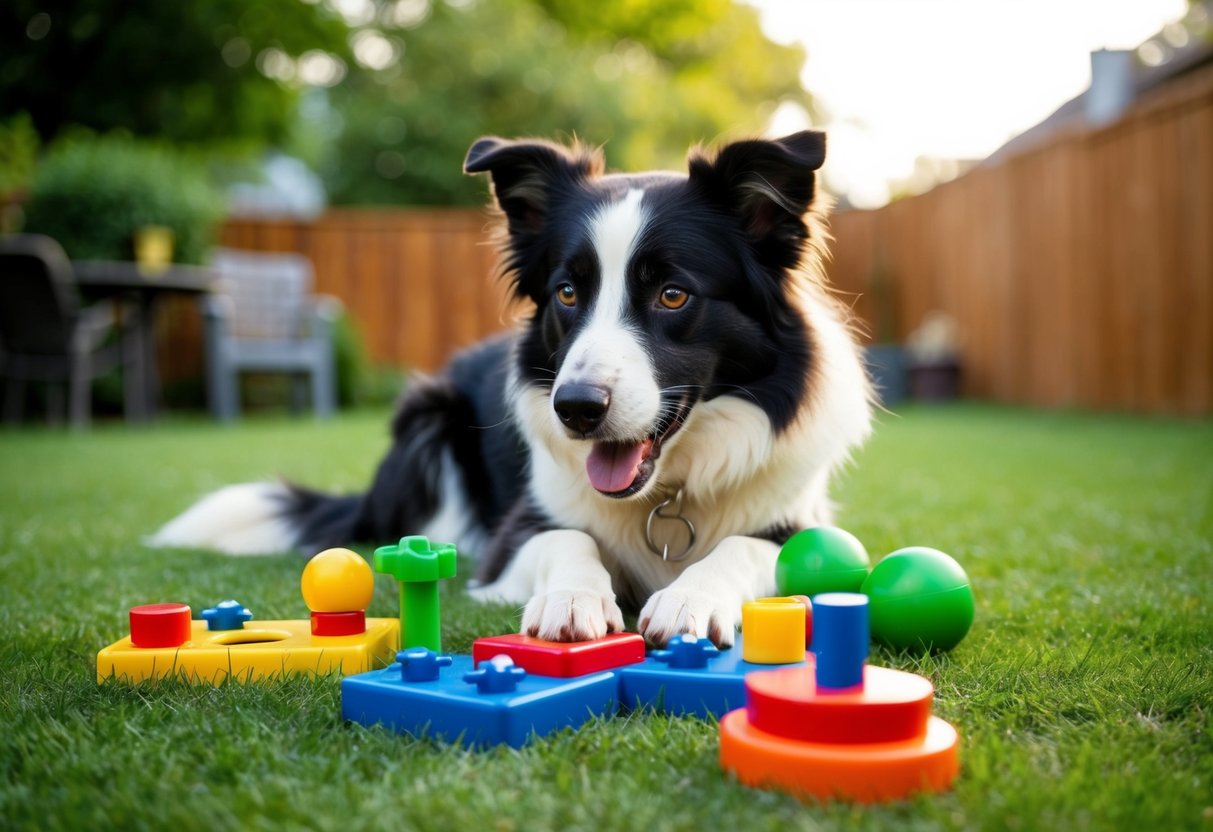
Smart dogs thrive on mental stimulation and physical activity. Keeping your dog engaged helps nurture their intelligence and trainability. You can achieve this through fun sports, games, and creative problem-solving activities tailored for your canine companion.
Engaging Your Dog in Sports and Games
Dog sports are an excellent way to bond with your smart dog while providing the exercise they need. Activities like agility training, flyball, and obedience trials not only boost physical fitness but also challenge their minds.
Consider setting up a simple agility course in your backyard using cones, hurdles, and tunnels. You can also join local dog sports clubs for structured training and competitions.
Other fun games include fetch and tug-of-war. These activities promote teamwork and keep your dog active. Don’t forget to offer treats or praise as rewards to enhance their motivation and enjoyment.
Challenges for Enhancing Problem-Solving Skills
Enhancing your dog’s problem-solving skills is straightforward and fun. Start with puzzle toys that require them to figure out how to access treats. These toys encourage critical thinking. They can keep your dog entertained for hours.
You can also create DIY challenges at home. For instance, hide treats around the house and let your dog find them. This scavenger hunt taps into their natural instincts and sharpens their tracking abilities.
Consider teaching your dog new tricks or commands that require more than simple responses. Activities that involve multiple steps or conditions will keep them engaged and eager to learn.


