
When you think about wild dogs, several species may come to mind. From their social behaviors to their distinct appearances, wild dogs are fascinating creatures. The rarest wild dog is the Ethiopian wolf, with fewer than 450 individuals left in the wild.
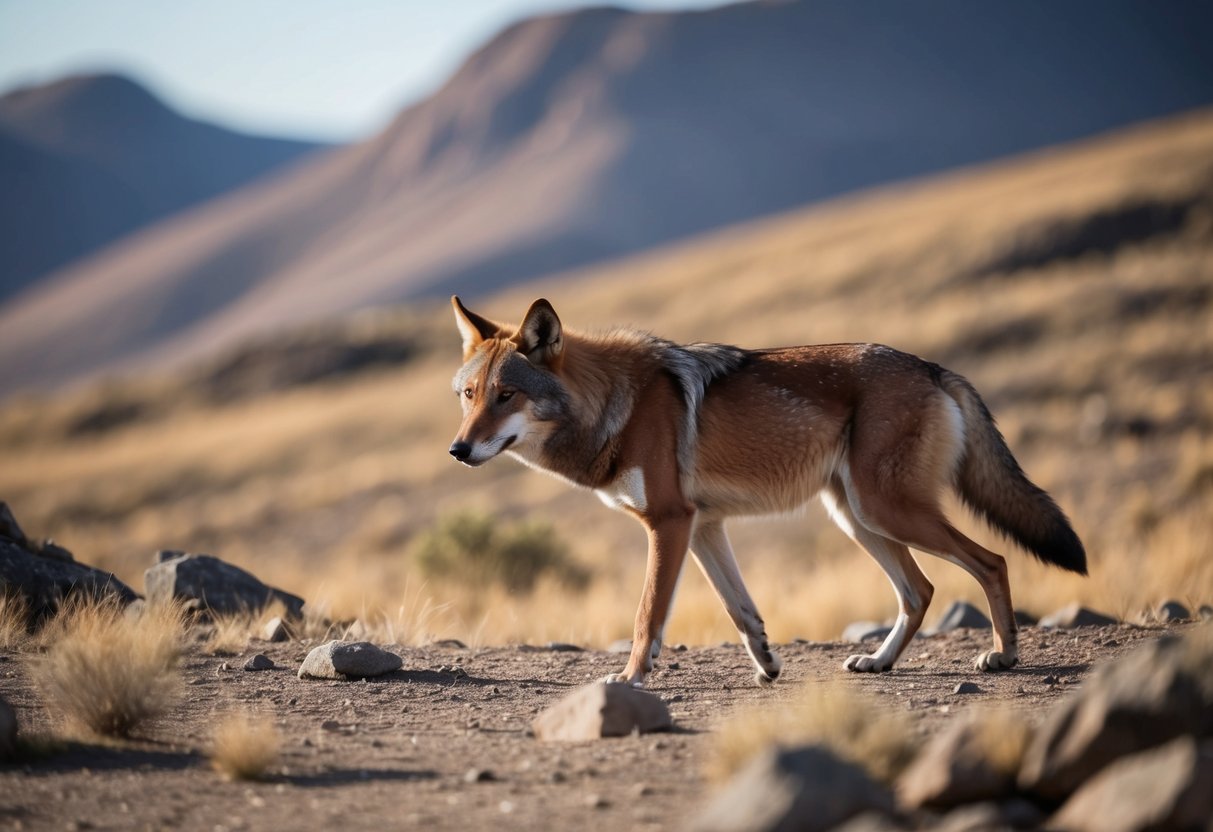
These unique animals face many challenges, making their survival increasingly difficult. They live in the highlands of Ethiopia and are susceptible to threats like habitat loss and diseases.
Understanding more about the Ethiopian wolf can help raise awareness for wildlife conservation efforts that aim to protect these rare dogs and their habitat.
As you explore this topic, you’ll discover why the Ethiopian wolf is so special and what is being done to save it from extinction. You might even find ways to contribute to these important efforts.
Identifying the Rarest Wild Dog
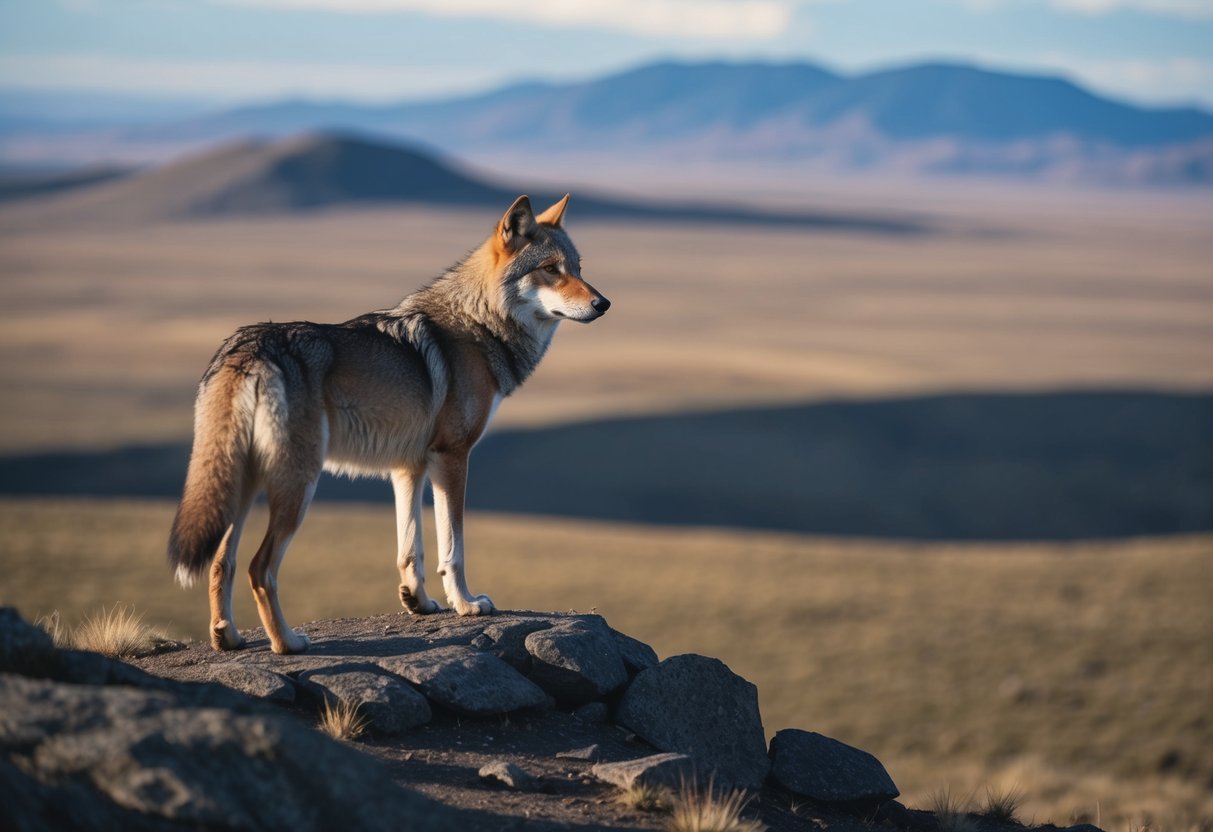
When exploring the rarest wild dog, it’s important to look at specific traits and where these dogs are found. Understanding these aspects helps you appreciate their uniqueness.
Characteristics and Taxonomy
The Ethiopian wolf (Canis simiensis) stands out as the rarest wild dog. This species is critically endangered, with fewer than 450 individuals left. It belongs to the Canidae family and is closely related to domestic dogs.
Ethiopian wolves have distinctive features, such as long legs, a narrow snout, and a coat that ranges in color from reddish-brown to yellowish. They primarily hunt small mammals, especially rodents, which make up a large part of their diet.
Other notable species include the African wild dog (Lycaon pictus), known for its unique coat patterns and pack behavior. The New Guinea singing dog is recognized for its melodious vocalizations and highly adaptable nature. This diversity showcases the uniqueness within the Canidae family.
Geographical Distribution
Ethiopian wolves are primarily found in the Ethiopian highlands. These regions have grasslands and rugged terrains that provide suitable habitats. Its distribution is limited to a few isolated populations, making conservation efforts essential.
In contrast, the African wild dog roams savannas and open woodlands across sub-Saharan Africa. The Dhole, or Asiatic wild dog, is found in forests and grasslands primarily in Asia. The maned wolf is native to South America, thriving in grasslands and scrublands.
Lastly, the bush dog is mostly located in Central and South America, while the raccoon dog inhabits East Asia. Each species has adapted to its environment, highlighting the rich diversity of wild dogs around the world.
Conservation Challenges
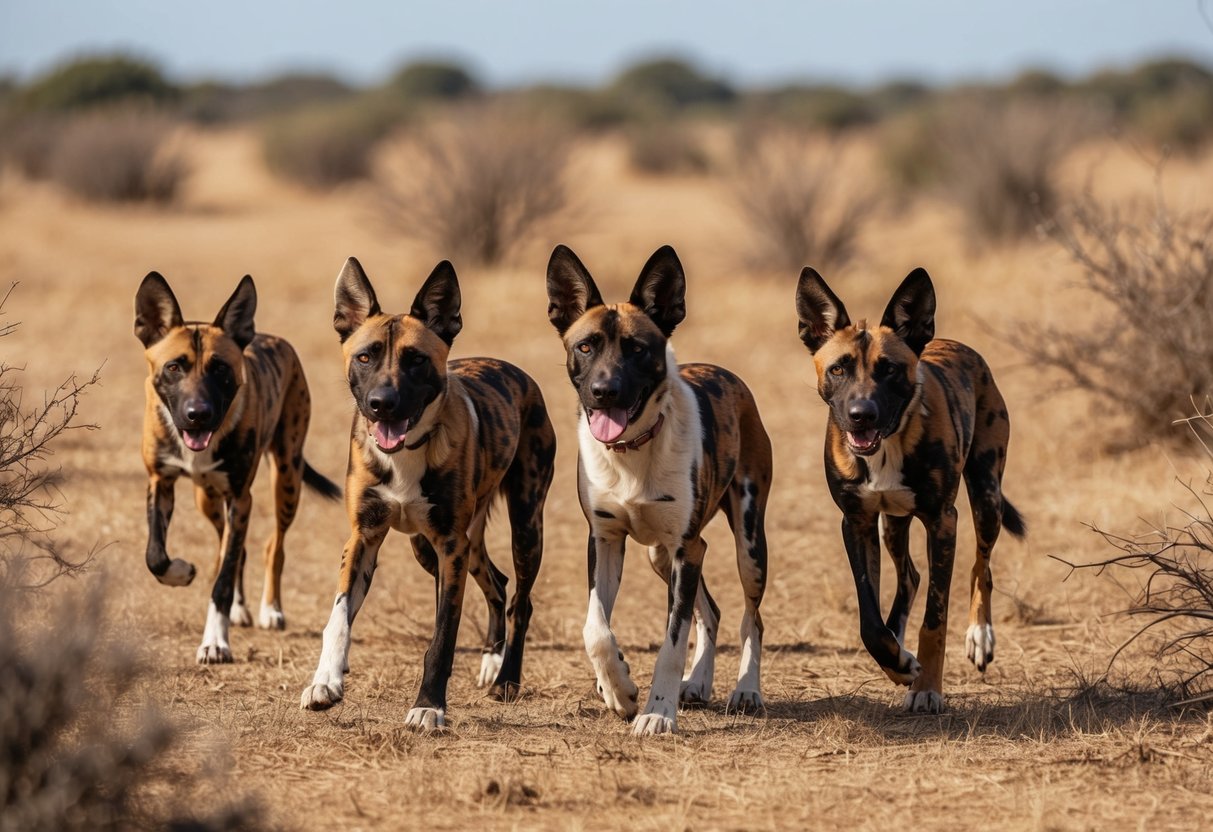
Conservation challenges faced by the rarest wild dogs involve significant threats to their survival. These challenges stem primarily from habitat loss and their endangered status due to various factors.
Habitat Loss and Human Impact
Habitat loss is a major threat to wild dog populations. As forests and grasslands are cleared for agriculture and urban development, these dogs lose their homes. Deforestation not only reduces the area where they can live and hunt but also disrupts the ecosystem.
You might notice that as human populations grow, conflicts with wildlife become more common. Roads and buildings fragment habitats, making it harder for dogs to find mates. This leads to smaller, isolated groups that struggle to survive.
Moreover, as natural spaces shrink, there’s less prey available. This results in competition with domestic animals, affecting food sources.
Endangered Status and Efforts
The endangered status of wild dogs, especially the Ethiopian wolf, is alarming. With fewer than 450 left, their chance of extinction is high. Conservation efforts focus on protecting these species and their habitats.
Organizations are working hard to raise awareness about the importance of these dogs. Protection laws are being enacted, and habitat restoration projects are underway.
Captive breeding programs also play a vital role. They aim to increase the populations of these rare dogs, ensuring they don’t vanish forever. Engaging local communities through education about conservation benefits helps reduce human-wildlife conflict as well.
Behavior and Ecology
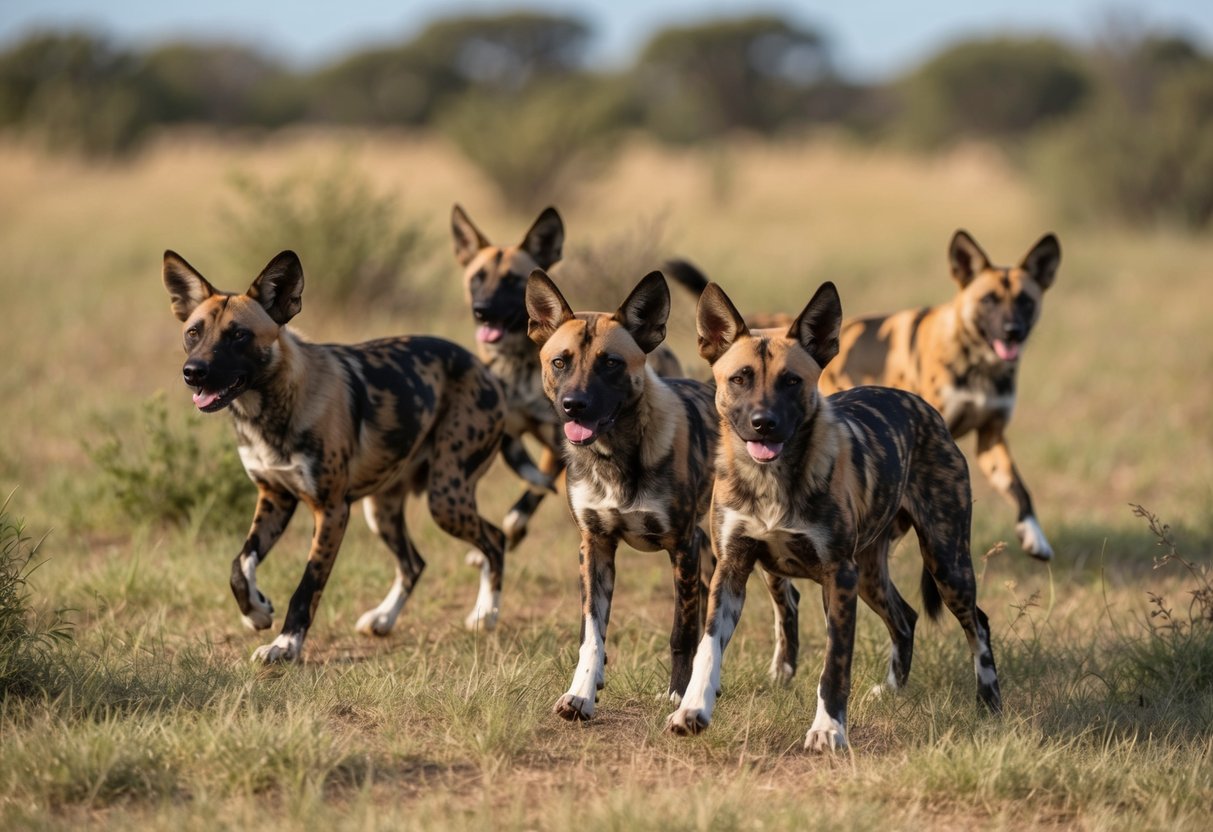
Understanding the behavior and ecology of the rarest wild dogs reveals their unique adaptations and social structures. These factors play a crucial role in their survival and success in the wild.
Social Structure and Hunting Practices
Wild dogs are highly social animals that live in packs, often led by a pair of alpha dogs. This social structure helps them work together during hunts. They rely on teamwork to chase and take down prey, often targeting animals like antelope.
Their hunting strategies are fascinating. They use their long legs for speed and endurance, which allows them to chase down prey over long distances. At times, these dogs communicate with unique vocalizations, including barks and howls, to coordinate during hunts or to warn each other of danger.
Adaptations for Survival
Survival adaptations make wild dogs exceptional hunters and prevent them from falling victim to diseases. Their bushy tails play a role in maintaining social bonds within the pack. When running in formation, the tail helps to signal direction and speed to pack members.
They also have excellent camouflage, blending into their surroundings, which aids in stalking prey. Many wild dogs are nocturnal, hunting at night when it is cooler and more advantageous for catching prey. This behavior minimizes competition and enhances their chances of a successful hunt, even as they face threats from disease transmission among vulnerable populations.
Human Interactions and Responsibilities
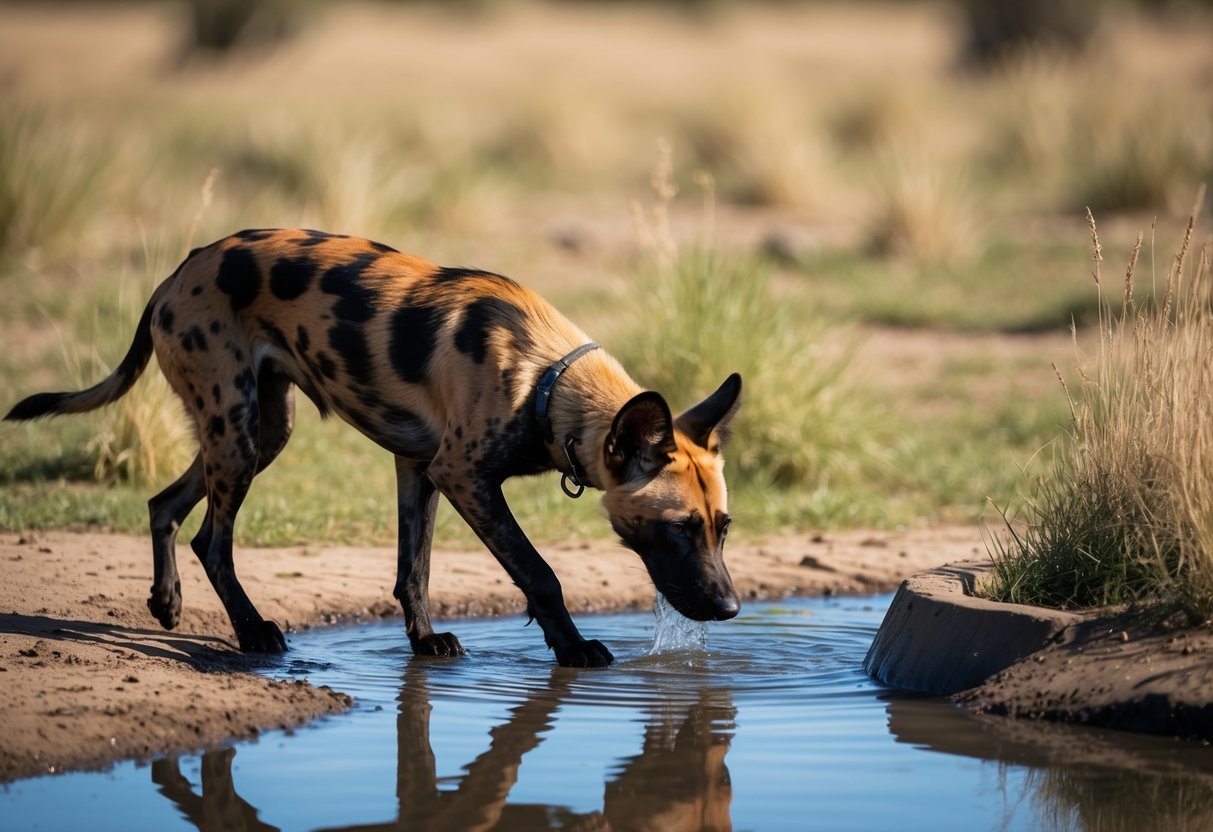
Human activities can greatly impact wild dog populations. For example, habitat loss from urban development and agriculture reduces the space these animals need to thrive.
When you consider your pet dogs, remember that domestic dogs can also contribute to wild dog challenges. They may compete for resources or even interbreed with wild species, affecting their genetic diversity.
You play a key role in conservation efforts. Supporting organizations that protect habitats can help maintain biodiversity. Each action counts, whether it’s donating time or money to wildlife programs.
Human-wildlife conflict is another issue. As roads and cities expand, wild dogs may venture into human areas, leading to dangerous interactions. Learning how to coexist peacefully is essential.
Educating your community about the importance of these animals promotes understanding and care. Sharing facts about species like the Ethiopian wolf can inspire others to take action.
Consider advocating for responsible pet ownership. This can prevent issues like stray dogs impacting wild populations. Encourage spaying and neutering, which helps control the pet population.
By being aware of your surroundings and taking action, you can help ensure a future for the rarest wild dogs. Every little bit helps keep these unique animals safe and thriving.


