
Most people think white tigers are the rarest, but honestly, that’s not quite right. The golden tabby (sometimes called the strawberry or pale-gold tiger) is actually one of the rarest true tiger color morphs around, needing a very specific, uncommon set of recessive genes to show up. Let’s see how that color stacks up against white tigers and other oddball variations—and why tiger genetics get so complicated.
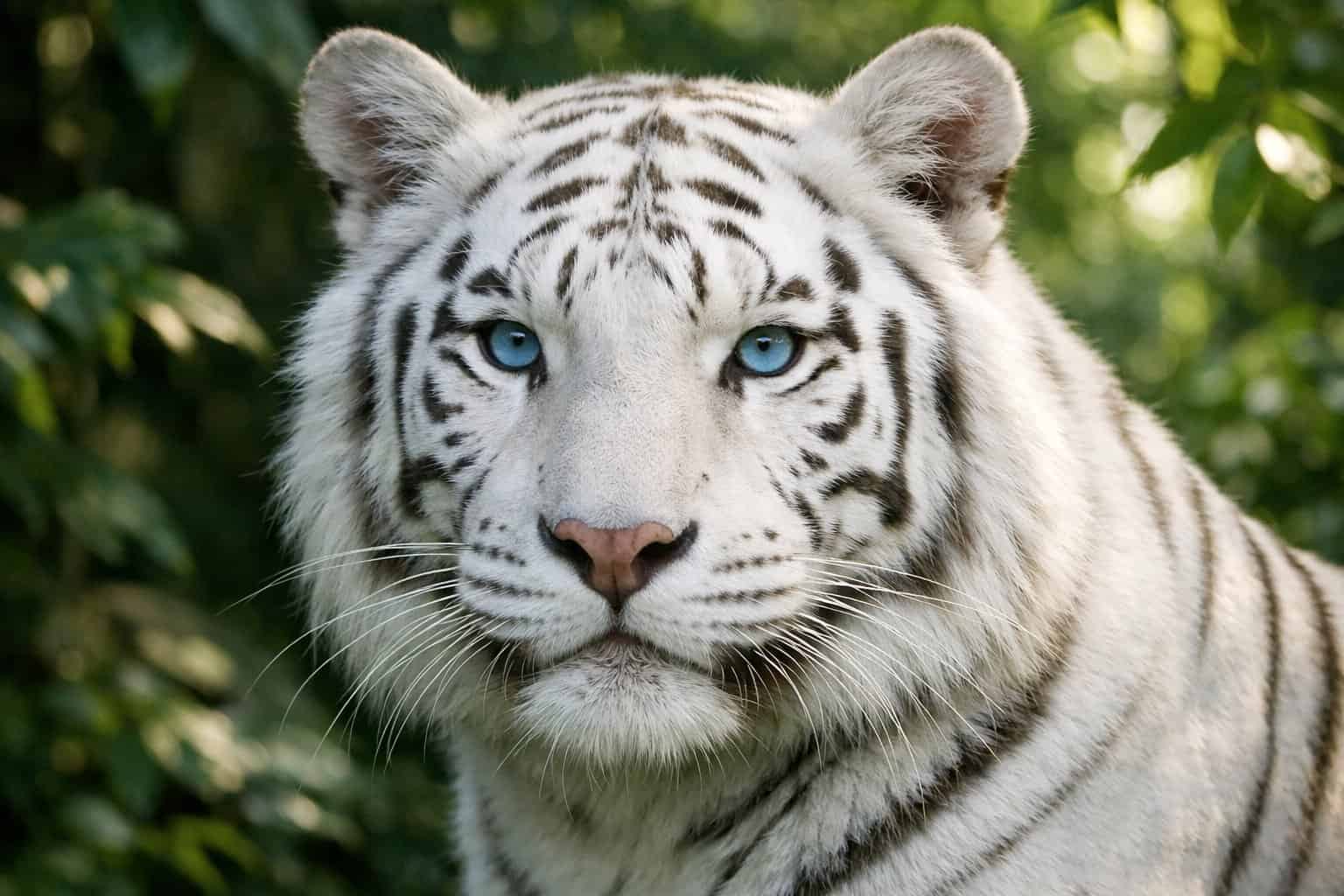
We’ll look at what causes these colors, how often they turn up in captivity versus the wild, and what risks come from breeding just for rarity. The science behind tiger coats is honestly fascinating, and it explains why some colors barely ever appear.
The Rarest Color of Tiger: Golden Tabby and Beyond
Golden tabby tigers and other rare color morphs really show how genes can shake up a tiger’s look. Let’s check out why the golden tabby is so rare, what it actually looks like, and how white and stripeless tigers fit into all this.
What Makes the Golden Tabby Tiger So Rare
Golden tabby tigers only appear when two tigers carry and pass on a recessive gene. The color comes from the wideband gene, which lightens the dark pigment on each hair.
Both parents have to pass down that gene for a cub to get the pale golden coat. Most golden tabbies in captivity share a small group of ancestors, which makes the trait even harder to find.
Because the gene pool is so tiny, breeders sometimes paired close relatives, which made the golden color show up but also brought some health worries. Wild golden tabbies are basically unheard of; almost every known one comes from captive breeding.
If you want to dig into the genetics and family trees, here’s an overview: Golden tiger – Wikipedia.
Distinctive Traits of Golden Tabby Tigers
Golden tabby tigers have this soft, pale golden fur with reddish-brown or pale stripes instead of the usual black ones. Their bellies and faces usually look cream or nearly white.
The overall look is more sandy or strawberry than the typical bright orange. These tigers aren’t a separate subspecies—they’re Bengals, just with rare colors.
You might see litters with a mix of colors—golden, normal orange, or white—since the wideband gene can interact with other recessive color genes. Photos of golden tabbies exist, but they’re rare, so treat them as special finds, not something you’ll see every day.
There’s more about this color morph here: Golden Tigers Are Among The Rarest Big Cats.
Snow White and Stripeless Tigers: Legendary Rarities
White tigers owe their color to a totally different recessive mutation (a color inhibitor gene). When the wideband gene mixes with the white gene, you sometimes get stripeless white tigers.
These tigers look almost completely white or super pale, with only faint stripes. They’re famous, but you mostly find them in captivity because breeders wanted the look for zoos and shows.
That focus on rare colors led to a lot of inbreeding, which brought its own genetic and health problems. Real photos of stripeless and snow-white tigers do exist, but only for a handful of individuals from captive lines.
Genetics and Tiger Color Variations
Tiger coat color comes from a mix of genes that affect pigment type, amount, and where the stripes land. Specific mutations change how much melanin a tiger makes, or when it gets added during hair growth, and that can create white, golden, or almost stripeless tigers.
How Genes Influence Tiger Color
Genes control two main pigments: eumelanin (black or brown) and pheomelanin (orange or yellow). The MC1R and agouti pathways decide which pigment a melanocyte makes.
If MC1R keeps running, you get more eumelanin. When the agouti signaling protein (ASIP) kicks in, you see more pheomelanin.
One recessive mutation can flip this balance. For example, a mutation in SLC45A2 cuts back on pigment, so when a tiger gets two copies, it becomes white.
A different mutation in CORIN changes the width of the pale pheomelanin bands in the hair, which gives the golden “wideband” effect.
Most of these color traits are recessive, so a tiger needs two copies to actually show the look. Other genes, like Taqpep or EDN3, change stripe patterns and work separately from the agouti or MC1R genes.
Knowing which gene is mutated tells you if the change affects pigment production, pigment type, or even stripe placement.
Overview of Rare Tiger Color Morphs
White tigers have much less eumelanin because of a recessive SLC45A2 mutation. Their stripes stick around but might be sepia or just faint.
You mostly see this morph in captive Bengal tigers since the gene is super rare in the wild. Golden tigers get a CORIN mutation, which makes the pale pheomelanin band wider and cuts down black pigment, so they look blond with reddish-brown stripes.
Snow white tigers have both mutations (SLC45A2 + CORIN), which means almost no background color and barely-there stripes.
Some other odd color variants have been rumored or barely documented, but solid proof is pretty limited. Genetic testing can tell you which mutation is present and whether the trait is recessive, dominant, or something more complicated.
The Role of Inbreeding and Captive Breeding
Captive breeding often brings rare alleles together by pairing related animals or picking those with flashy traits.
If you want to keep a recessive color, you have to breed animals that both carry the right allele. That means inbreeding goes up, and genetic diversity drops.
When diversity shrinks, health risks start to pile up. Tigers can face reproductive issues, weaker immune systems, or even weird defects—mostly because harmful alleles tag along with the color gene or just end up in the wrong combo.
Ethical breeders use genetic tests, track pedigrees, and try outcrossing. They want to keep those cool color traits but not at the expense of the population’s health.
If you really care about tigers, maybe focus on preserving their natural genetic variety. Don’t let rare colors matter more than health or their chances in the wild.
Curious about the genetics behind these coat colors? Check out the research on tiger pelage color variations.


