
If you’re dealing with rats, you probably want them gone—fast, and without a bunch of hassle. Finding out what kills rats most effectively helps you make the right call to protect your place.
The most effective way to kill rats is by using rodent poisons made specifically for them.

These poisons cause fatal conditions inside a rat after it eats just a little bit. Some act quickly, while others take a few days.
The best poison for you depends on where you’ll use it and how many rats you need to handle. Honestly, it’s not always a one-size-fits-all deal.
If you understand how these poisons work and know the safety basics, you’ll have an easier time picking what’s best. Stick around for more on top choices and how to avoid the worst risks.
What Is the Number One Killer of Rats?

To get rid of rats, you need to know the main tools at your disposal. There are poisons and traps, and each comes with its own pros and cons.
You should know how these work before you decide what’s right for your home.
Rat Bait and Rodenticides Explained
Rat bait mixes poison with food, which draws rats in. When a rat eats the bait, the poison stops its blood from clotting.
The rat usually dies within a few days. Not exactly pleasant, but it’s effective.
Rat poison can put kids, pets, and wildlife at risk if you don’t use it right. Put poison in locked bait stations so only rats can get to it.
That step protects your family and your pets from accidents. Some powerful rodenticides, like brodifacoum, kill rats fast, but the dead rat might end up somewhere hidden.
That can mean you’re stuck with a nasty smell for days. Always handle these poisons with care and follow the safety guidelines.
Effectiveness of Traps Compared to Poison
Lots of people use traps to kill rats without poison. Snap traps do the job instantly, so you’re not waiting around for poison to kick in.
You can check traps and get rid of dead rats right away. That’s a big help if you want to avoid bad odors.
Electric traps kill rats quickly with a shock. If you use them right, they’re safe for pets and kids.
Catch-and-release traps let you capture rats alive, though honestly, most rats don’t make it long after release. Traps do take more work.
You’ll need to bait them and set several in spots where rats travel. Still, traps keep poison away from curious pets and kids.
Common Types of Rat Poison and Traps
Here are some of the options out there:
Rat poison types:
- Anticoagulants: Cause internal bleeding (like brodifacoum).
- Diphacinone: Works slower, but it’s a bit safer for pets.
- Zinc phosphide: Acts fast, but it’s riskier to handle.
Trap types:
- Snap traps: Quick and effective, but can hurt pets if you’re not careful with placement.
- Electric traps: Kill instantly, no mess, no poison.
- Glue traps: Sticky boards that trap rats, though honestly, a lot of people think this is just cruel.
- Live traps: Catch rats without killing them, but the rats often don’t survive after you let them go.
Pick what fits your situation best—think about safety, speed, and what you’re comfortable handling. For more info on the best rat poisons, check Top Rat Poisons.
Comprehensive Rat Removal Strategies
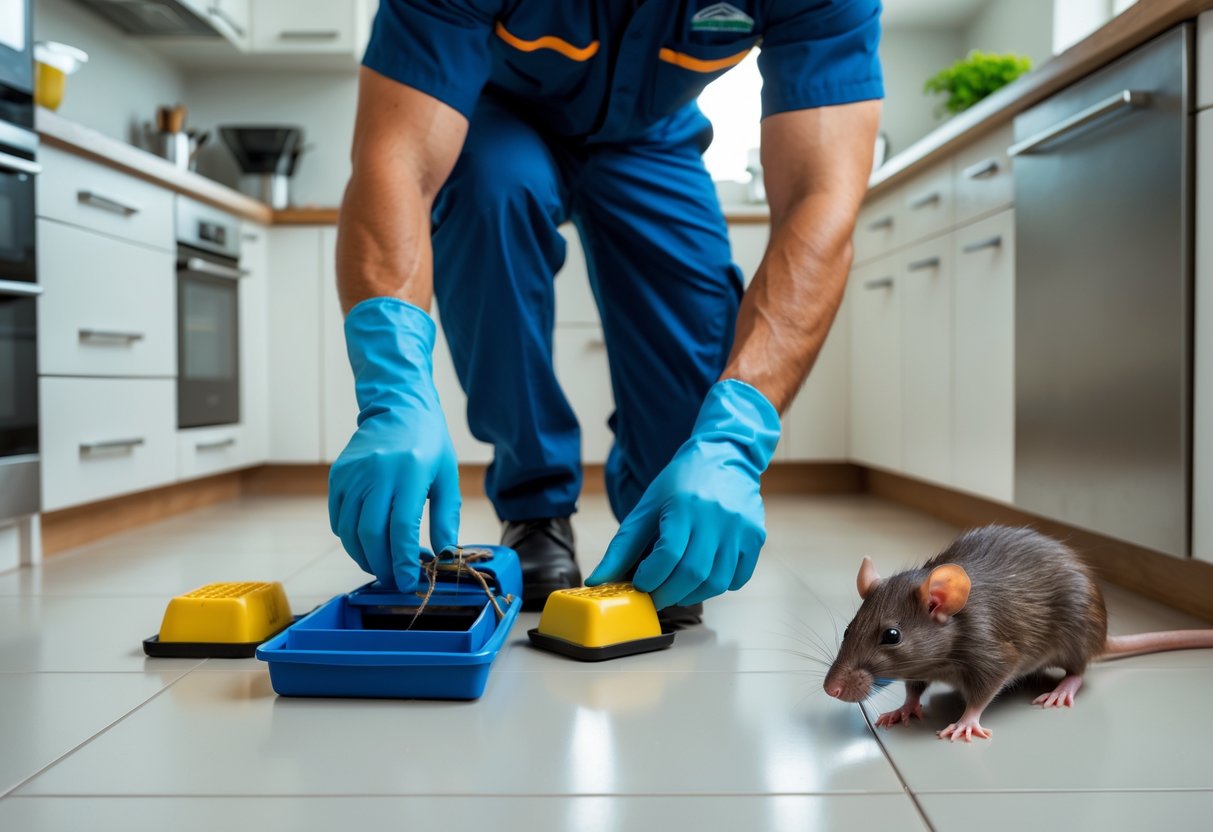
To really get rid of rats, you need a plan that covers all the bases. That means mixing different methods, sticking to safe techniques, and trying to be as humane as possible.
Each step matters if you want to solve your rat problem for good.
Integrated Pest Management Approaches
Integrated Pest Management (IPM) means you use several tools and strategies together to stop rats. Start by finding where rats get in—look for cracks or holes—and seal those up.
That alone can make a huge difference. Keep your place clean by clearing food scraps and clutter that attract rats.
Set snap or live traps along the usual rat paths. Skip glue traps if you can; they’re pretty rough on the animals.
Sometimes you might need to use poison bait, but save that for last and handle it carefully. Mixing these methods gives you better control and keeps your family and pets safer.
Safe Rat Removal and Prevention Tips
Safety comes first when you’re dealing with rats. Always wear gloves before you set traps to avoid picking up any diseases.
Check traps often so you can remove dead rats quickly and dodge those awful smells. Block off future entry points with steel wool or metal flashing.
Rats chew through plastic and wood, so don’t bother with those. Keep your garbage in sealed bins and pick up pet food after meals.
Set traps along walls and behind furniture—rats love to run there. Avoid using poison if you have kids or pets around.
Regular cleaning and simple maintenance are honestly your best bets for keeping rats out for good.
Ensuring Humane and Effective Outcomes
Treating rats humanely still matters, even if you want them out as soon as possible.
Pick quick-kill traps that cut down on suffering, rather than methods that drag things out or cause pain.
If you think about using live traps, you’ll catch rats alive and then you can release them far away from your house.
Skip glue traps—they just cause stress, injury, and a slow death. Not really what anyone wants.
When you bring in professionals, ask if they use humane techniques and stick to local wildlife rules.
Taking a thoughtful approach keeps your home safe and lets you sleep a little easier.
For more detailed tips on rat removal, check out this comprehensive rat removal guide.


