
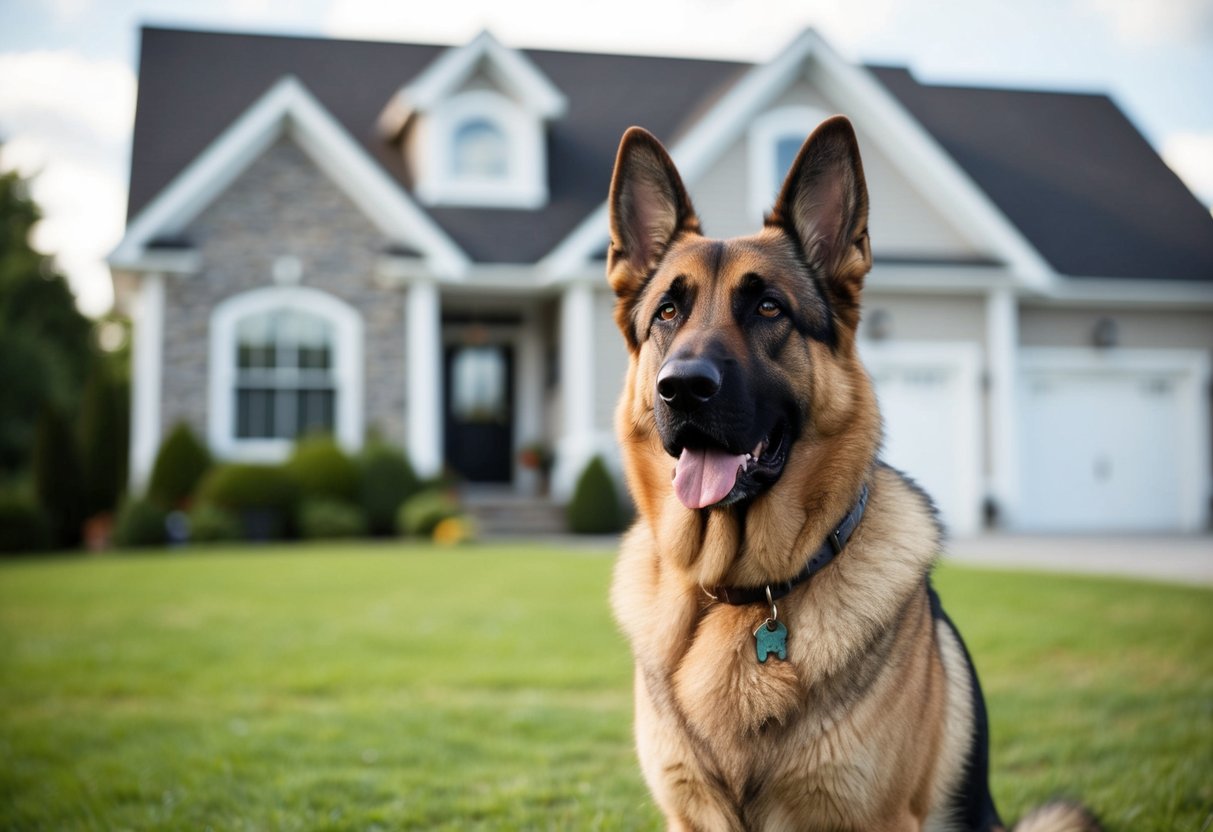
When finding the most protective dog, loyal breeds stand out for their strong instincts and dedication to family. German Shepherds are often recognized as the top choice for protective companions due to their intelligence, loyalty, and versatility. These dogs thrive on being close to their loved ones, making them excellent guard dogs and fierce defenders.
Another popular breed known for its protective nature is the Rottweiler. Known for their confidence and strength, Rottweilers are devoted to their families and will go to great lengths to ensure their safety. Their natural guarding instincts make them a reliable choice for those looking for a vigilant protector.
In exploring the best protective dogs, you’ll discover not only their impressive capabilities but also the deep bonds they form with you. Understanding these breeds can help you choose the right furry guardian that matches your lifestyle and security needs.
Characteristics of Protective Dog Breeds

Protective dog breeds share specific traits that make them excellent guardians. Understanding these characteristics can help you choose the best breed for your home.
Inherent Traits
Many protective dogs are known for their loyalty. They bond closely with their families and will do anything to keep you safe. This strong attachment gives them a sense of duty to guard their loved ones.
Additionally, these dogs possess a fearless nature. They don’t back down easily when they sense a threat. This protective instinct is vital for their role as guardians.
Moreover, many breeds, like the German Shepherd and Bullmastiff, have a territorial streak. This means they may patrol and defend their space, ensuring that intruders stay away.
Physical Attributes
Protective dog breeds often have strong physiques. This strength allows them to confront potential dangers effectively. For instance, breeds like the Rottweiler are muscular and intimidating, which can deter intruders.
These dogs also tend to be larger in size. A big dog can make a significant visual impact, further enhancing their protective ability. Their watchful posture adds to their formidable presence.
Many protective breeds have a robust build that supports their energetic nature. This allows them to act swiftly when needed, making them reliable guardians.
Behavioral Tendencies
The behavior of protective dogs is key to their guarding abilities. These dogs are often watchful and alert. They maintain a keen awareness of their surroundings, quickly noticing changes in their environment.
Moreover, they tend to be intelligent and quick learners. This adaptability makes it easier for you to train them to recognize and respond to threats effectively.
Lastly, many protective dogs exhibit a strong guardian instinct. They are encouraged to protect not just their family but also their property. This drive often leads to behaviors like barking or growling to warn of potential dangers.
These characteristics make protective dog breeds excellent companions and reliable protectors for you and your family.
Top Protective Dog Breeds
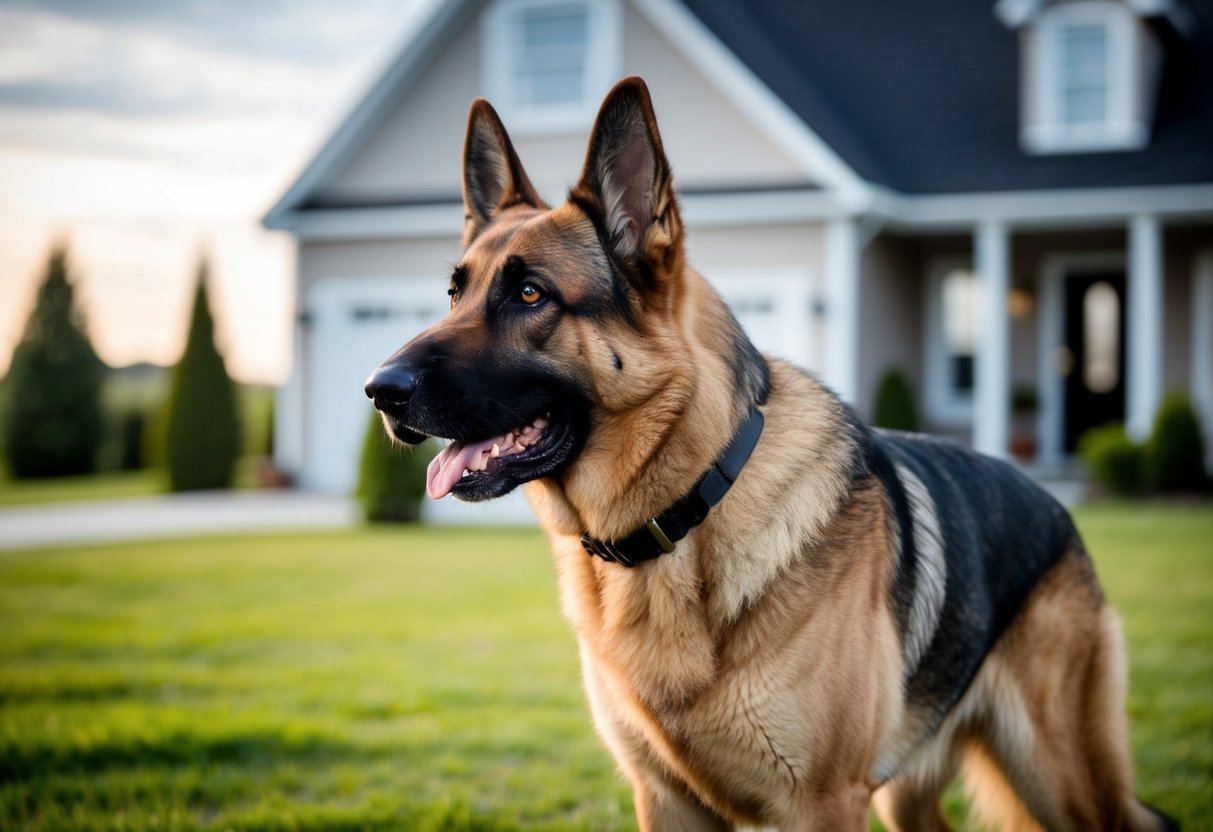
When looking for a protective dog, breed characteristics play a big role. You’ll find that various breeds excel in guarding and companionship. Let’s explore the top dogs known for their protective instincts across different sizes.
Large Guardian Breeds
Large guardian breeds are often the first choice when it comes to protection. These dogs are known for their strong physical presence and loyalty.
- German Shepherds are intelligent, versatile, and renowned for their protective nature. They excel in police and military roles.
- The Bullmastiff combines loyalty with a large, powerful frame. They are known to guard homes effectively.
- Rottweilers are confident and protective, making them one of the best guard dog breeds.
- The majestic Tibetan Mastiff has not only size but also a strong guarding instinct, protecting against potential threats.
- Anatolian Shepherds are hardy and traditionally protect livestock, showcasing their protective skills.
These breeds need proper training and socialization to ensure they are effective and safe.
Medium-Sized Watchdogs
Medium-sized watchdogs can offer protection without overwhelming space. These dogs can be both loving companions and vigilant protectors.
- Doberman Pinschers are agile and alert. Their loyalty and protective nature make them popular choices for families.
- The Belgian Malinois is often used by police due to its intelligence and drive. They form strong bonds with their handlers.
- Boxers are friendly yet protective. They are playful and alert, making them great family dogs while being watchful.
- Staffordshire Bull Terriers are known for their courage. They are affectionate with families but can be protective when needed.
These dogs thrive on social interaction and proper training, which enhances their protective qualities.
Versatile Utility Dogs
Versatile utility dogs are adaptable and can serve in multiple roles, including protection. Their intelligence and eagerness to please make them excellent companions.
- Great Pyrenees and Kuvasz are both excellent at guarding livestock, showcasing their protective instincts.
- Giant Schnauzers are hardworking and adaptable, known for their loyalty and protective nature.
- The Rhodesian Ridgeback is known for its courage and ability to protect against larger predators.
- The Cane Corso has a powerful build and is known for its strong protective instincts, making it an excellent guardian.
These breeds require consistent training and socialization to develop their skills effectively.
Effective Training for Guard Dogs
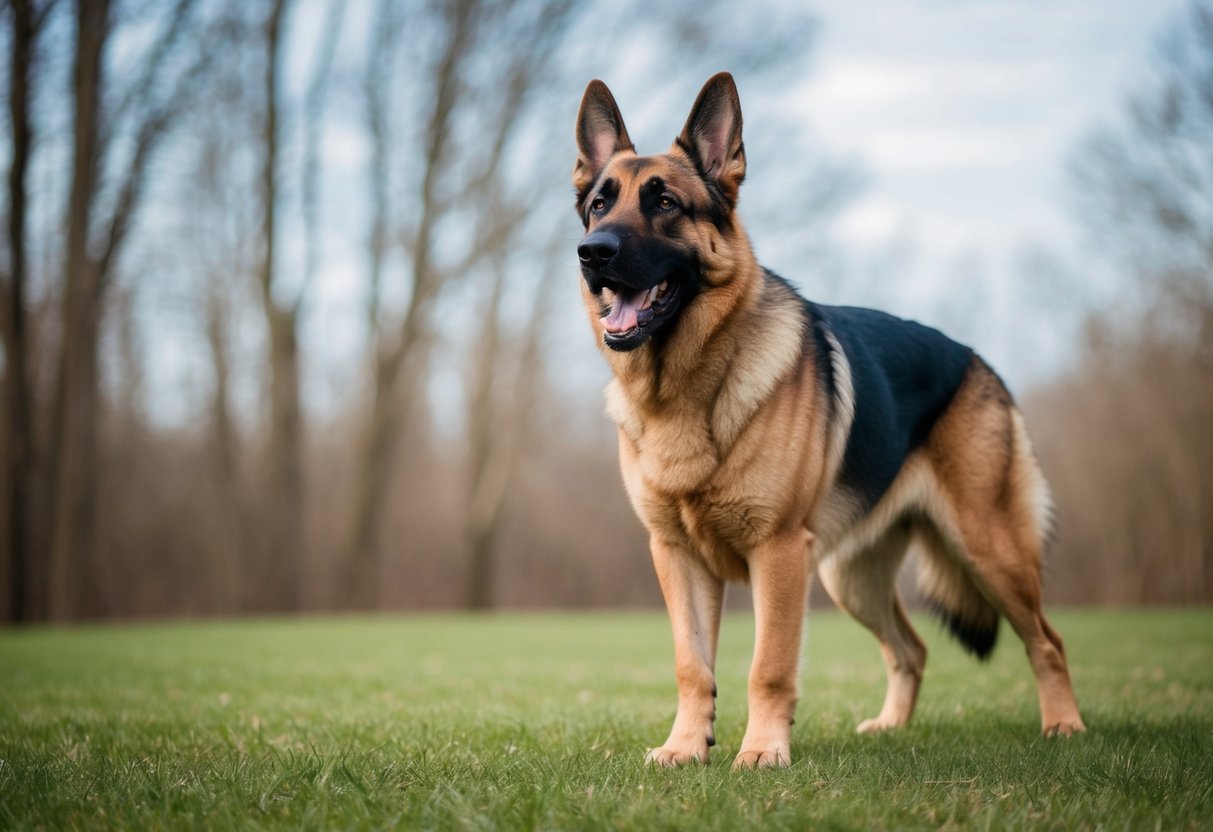
Training your guard dog effectively is essential for their protective abilities. You will need to focus on the right foundation, socialize them properly, and include advanced obedience training. Each of these elements plays a vital role in shaping a well-adjusted and responsive guard dog.
Foundation Training
Foundation training is where everything begins. Start with basic obedience commands like “sit,” “stay,” and “come.” This will help your dog understand your expectations and build a strong bond between you two.
Use positive reinforcement, such as treats or praise, to encourage good behavior. Consistency is key; train your dog daily to reinforce the lessons learned. Establishing rules early helps them grasp what is acceptable.
Incorporate short training sessions, around 5 to 10 minutes each. These will keep your dog engaged and eager to learn. A solid foundation will prepare your guard dog for more specialized training later.
Socialization Techniques
Socialization is crucial for your guard dog’s success. Expose them to various people, places, and situations to help them become comfortable and confident. Start this process early, ideally during puppyhood.
Use controlled environments, like dog parks or friendly gatherings, to introduce new experiences. Encourage gentle interactions with other dogs and people, rewarding them for calm behavior.
Proper socialization prevents fear-based aggression. Your dog should know how to distinguish between normal situations and potential threats. A well-socialized guard dog responds appropriately, without unnecessary aggression.
Advanced Obedience
Advanced obedience training takes your dog’s skills to the next level. After mastering basic commands, introduce more complex commands like “leave it,” “search,” or “guard.”
Incorporate real-life scenarios during training sessions. Use distractions like toys or noise to test their focus. This prepares your dog for real protection situations.
Regular practice is important. Train just a few times a week, but make each session engaging. Challenge your dog’s mind while also ensuring they remain under control. This approach enhances their ability to protect you effectively.
Guard Dogs and Family Life
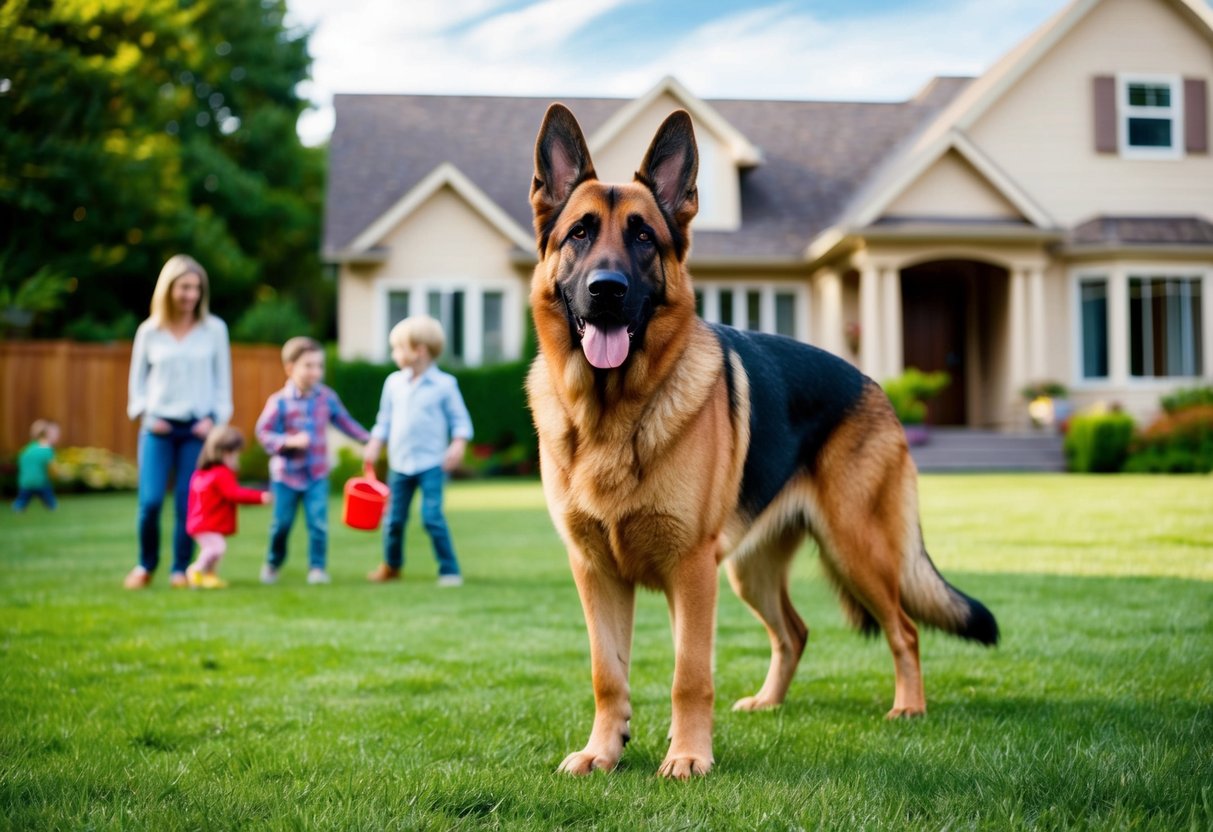
Choosing a guard dog for your family involves more than just protection. It’s essential to consider how these dogs interact with children, fit into your home, and their need for exercise and companionship.
Compatibility with Children
Many guard dog breeds are suitable for families with children. Breeds like the German Shepherd and Belgian Malinois are known for their loyalty and gentle nature. These dogs often form strong bonds with kids, providing both protection and affection.
When introducing a guard dog to children, supervision is key. Teach your children how to interact respectfully with the dog. This includes not pulling on ears or tails and giving space during eating or resting times.
A well-trained dog can be a great playmate for your kids and can also help instill a sense of responsibility in them.
Integrating into the Household
Integrating a guard dog into your home requires planning and patience. Start by creating a safe space for your dog where it can feel secure. This space might include a comfortable bed and some toys.
Then, gradually introduce your dog to different areas of the house. Allow it to explore while maintaining supervision. Dogs like Rottweilers or Boxers may need time to adjust to their new environment and family routines.
Regular training sessions help reinforce good behavior. Consistent commands and rewards can help establish the dog as a valued family member.
Exercise and Companionship
Guard dogs thrive on physical activity and mental stimulation. Breeds such as the Doberman Pinscher and Tibetan Mastiff require daily exercise to stay happy and healthy.
Activities can include walks, runs, or playtime in the yard.
Regular interaction also strengthens the bond between you and your dog.
Consider incorporating training and fun games that challenge their intelligence. This can include obedience tasks or agility courses.
A well-exercised dog is not only a healthier companion, but it also behaves better within the household.


