
When choosing a dog, loyalty often tops the list of desirable traits. Yet, some breeds are known for their more independent nature, which can be seen as disloyalty by some owners. The most disloyal dog breeds include the English Springer Spaniel and the Bernese Mountain Dog, which may not form deep attachments like other dogs.
Understanding why certain breeds behave this way can enrich your experience as a dog owner. Factors like temperament, environment, and socialization significantly influence a dog’s loyalty.
Exploring these aspects will help you appreciate the unique characteristics of different breeds.
Join us as we dive into what makes a dog loyal or disloyal and discuss how you can foster a strong bond with your furry friend, no matter the breed. You may learn something surprising about your future pet!
Understanding Dog Loyalty
Dogs are known for their strong bonds with humans. Their loyalty can show up in different ways, depending on their personality and life experiences. You can learn how loyalty is defined in dogs and what factors affect it.
Defining Loyalty in Dogs
Loyalty in dogs often means their strong attachment to you as their owner. This bond is formed through affection, companionship, and trust. When dogs are loyal, they are protective and responsive to your needs.
Loyalty is also linked to a dog’s personality. Breeds like Labrador Retrievers are famous for their friendly nature. Others, like the Basenji, are more independent. Each dog shows loyalty in its unique way. Understanding your dog’s personality traits can help you recognize how they express their devotion.
Factors Influencing Dog Loyalty
Several factors affect a dog’s loyalty towards its owner. A dog’s background and early experiences can shape its loyalty.
For instance, a puppy raised in a loving environment is likely to bond more closely with its owner.
Another key element is the dog’s training and socialization. Dogs that are well-trained often develop a stronger connection with their owners. Positive reinforcement during training also boosts their loyalty.
It’s also essential to consider the dog’s daily interactions with you. Spending time together through play or walks strengthens the bond. Dogs remember how you make them feel, and these feelings enhance their loyalty over time.
Dog Breeds and Loyalty
When it comes to dogs, loyalty can vary widely among breeds. Some dogs are known for their strong attachment to their owners, while others might display a more independent spirit. This section explores the differences among independent dog breeds, typically loyal breeds, and those with variable loyalty.
Independent Dog Breeds
Independent dog breeds are often confident and self-sufficient. They may not have the same level of attachment as other breeds. For example, the Afghan Hound and Shiba Inu are known for their free-spirited nature.
These dogs often prefer to explore on their own and might not always follow commands right away. While they can be affectionate, their independence means they might not be as eager to please as other breeds. This can sometimes be mistaken for a lack of loyalty.
Therefore, owning an independent breed requires patience and understanding. You may need to work harder to build a strong bond with them.
Typically Loyal Dog Breeds
On the other hand, some breeds are known for their strong loyalty to their families. Dogs like the Labrador Retriever, Rottweiler, and Akita have earned reputations as devoted companions. They often thrive on human interaction and will go out of their way to stay close to their owners.
Loyal breeds can provide a sense of security and companionship that many dog owners cherish. They are often eager to learn and respond well to training. Breeds such as the Bulldog and Beagle also exhibit strong loyalty, making them great family pets. This bond is built through consistent care, attention, and training.
Breeds With Variable Loyalty
Some breeds may show loyalty at times but can also be more aloof. Breeds like the Chow Chow, Borzoi, and Siberian Husky might display different levels of attachment based on their personalities and experiences.
For example, a Dachshund might be very attached to one family member while being less loyal to others. Similarly, Bloodhounds are known for their keen scent abilities but can be quite independent when it comes to bonding. If you have a pet with variable loyalty, understanding their individual behavior is key to nurturing that bond.
Training Impact on Loyalty
Training plays a vital role in a dog’s loyalty. How you train your dog and the environment you create can significantly affect their loyalty and attachment to you. Understanding the right methods and the effects of training on dog behavior can lead to a more meaningful bond.
Methods for Promoting Loyalty
Positive reinforcement training is one of the best methods to foster loyalty. This technique rewards good behavior with treats, praise, or play. When your dog associates you with positive experiences, their loyalty grows.
Socialization is also key. Exposing your dog to different people, other pets, and environments helps them become well-adjusted. A well-socialized dog feels more secure and is likely to form a strong bond with you.
Consistency in commands and routines helps your dog understand what you expect from them. This structure can reduce stubbornness and increase your dog’s compliance, further enhancing their loyalty to you.
Effect of Training on Dog Behavior
Training affects a dog’s temperament significantly. Dogs that receive proper obedience training tend to display better manners and are less anxious. A calm dog is more likely to be loyal and attached to their owner.
Mental stimulation is equally important. Engaging your dog in activities like puzzle games or tricks keeps them happy and focused. A mentally stimulated dog is less likely to stray and more likely to stay close to you.
Remember, a dog’s environment plays a role too. A stable and loving home creates a sense of security. This stability translates into loyalty, as your dog learns to trust and depend on you.
Dog’s Role and Lifestyle
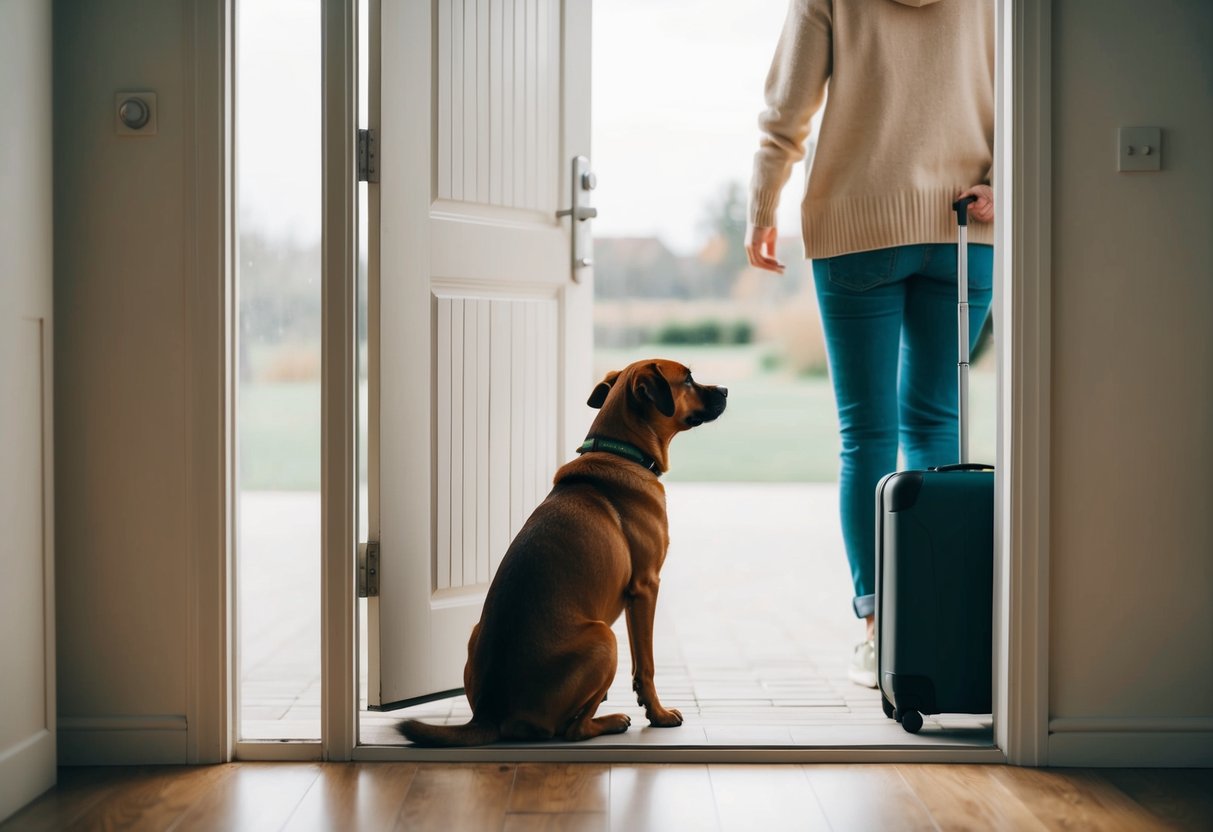
Understanding a dog’s role and lifestyle helps explain their behavior, including loyalty. Different roles, such as working or domestic, affect how dogs interact with humans and their environment.
Domestic Vs. Working Dogs
Domestic dogs are often bred for companionship and family-friendly temperament. They thrive in homes and usually bond strongly with family members. However, some breeds, like hunting dogs, may be more independent.
Working dogs, such as watchdogs, are trained for specific jobs. They have clear tasks and may show loyalty to their work over a single person. This independence reflects their need to perform their duties, sometimes making them seem less loyal.
It’s essential to recognize that each dog’s role shapes its personality. Understanding the differences can help you build the right expectations for your dog’s behavior.
Role of Environment in Loyalty
The environment affects a dog’s loyalty. For example, a well-socialized dog in a loving home is likely to show more affection and loyalty.
On the other hand, a dog that grows up in a less stable environment may not develop the same strong bond with people. Factors such as training, socialization, and interactions greatly impact a dog’s ability to form attachments.
A dog’s lifestyle can also affect their loyalty. Active engagement and positive experiences in their everyday life can lead to a deeper connection, making them feel secure and loyal to their family.


