
If you’ve ever wished for a furry friend that never leaves your side, you might be wondering, the most clingy dog breed is the Maltese. Known for their affectionate nature, Maltese dogs thrive on companionship and can often be found following their owners from room to room. If you’re searching for a “velcro dog” that craves your presence, this breed might be the perfect fit for you.

Clingy dog breeds, like the Golden Retriever or Chihuahua, are known for their sweet personalities and constant need for attention. These loyal companions form strong bonds with their owners and can bring immense joy to your daily life. Imagine having a dog that greets you with excitement every time you walk through the door or cuddles up close when you relax on the couch.
Dog owners cherish the companionship that these breeds offer, making everyday moments special. Whether you are looking for a cuddly lap dog or a playful companion, knowing which breed is the most clingy can help you make the right choice for your lifestyle. Get ready to explore the world of clingy dogs and discover which one may become your next best friend.
Characteristics of Clingy Dog Breeds
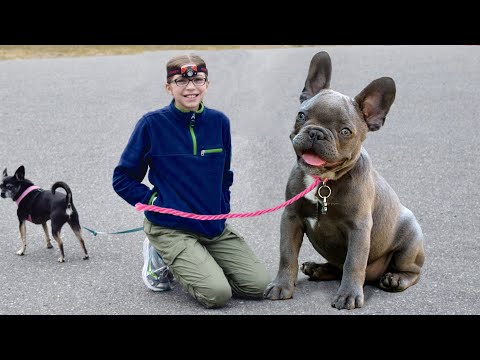
Clingy dogs, often called “Velcro dogs,” are known for their strong need for closeness with their human companions. These dogs thrive on constant companionship and show their love through affectionate behavior. Understanding their traits can help you bond better with these loyal pets.
Understanding ‘Velcro Dogs’
Velcro dogs are breeds that form deep attachments to their owners. They love to be near you at all times. This can mean following you from room to room or wanting to sit on your lap.
These breeds often include:
- German Shepherds
- Maltese
- Pugs
They are affectionate and loyal, seeking your presence for comfort. Their attachment can make them great companions, but it also means they need a lot of attention.
Signs of Separation Anxiety
A clingy dog may experience separation anxiety when left alone. This can show in several ways. You may notice excessive barking, whining, or destructive behavior when you are not home.
Other signs include:
- Pacing when alone
- Drooling or salivating more than usual
- Refusing to eat when separated from you
These behaviors indicate that your dog is feeling stressed. Providing reassurance and spending quality time can help ease their anxiety. Understanding these signs allows you to create a more comfortable environment for your furry friend.
Popular Clingy Dog Breeds

If you’re considering a clingy dog, various breeds are known for their affectionate nature. Some of these breeds are small and can fit comfortably in your lap, while others are larger and still love to stay close.
Small to Medium Breeds
Clingy small and medium breeds often thrive on human interaction. Chihuahuas are tiny but mighty companions that love to be carried around. They enjoy snuggling and following you everywhere.
Another affectionate breed is the Cavalier King Charles Spaniel. This dog is friendly and gentle, often wanting to be by your side or snuggled in your lap. Their pleasant nature makes them great family pets.
Italian Greyhounds are also known for their clinginess. They are sweet and love nothing more than to curl up next to you. Their loyalty and affectionate demeanor make them ideal cuddle buddies.
Large Breed Dogs
Larger breeds can be just as clingy and loving. The Labrador Retriever is well-known for its friendly nature. They enjoy being part of the family and are often right by your side, ready for playtime or a relaxing cuddle.
Another large breed, the German Shepherd, is loyal and protective. Despite their size, they have a soft side and will appreciate close bonding time with you.
Great Danes are gentle giants who adore human companionship. They may be large, but they often believe they are lap dogs. Their affectionate nature ensures they want to stay close to their owners at all times.
Meeting the Needs of Clingy Dogs

Clingy dogs thrive on companionship and attention, so it’s important to create a nurturing environment for them. You’ll also want to engage them in activities that keep them active and happy. Training and socialization are key to helping them feel secure.
Creating a Comforting Environment
To make your home welcoming for your clingy dog, create a cozy space where they feel safe. You can do this by making a specific dog bed in a quiet area. Adding their favorite toys and a blanket can make this space feel special.
Routine is essential for clingy dogs. They thrive on consistency, so try to keep feeding times and walks on a schedule. This gives them a sense of security.
You might also want to consider some calming aids, like a comforting pheromone diffuser. These help reduce anxiety when you leave the house.
Exercises and Activities for an Active Lifestyle
Clingy dogs often require more exercise than other pets. Physical activity helps channel their energy and reduces clinginess. Daily walks and playtime are crucial. Aim for at least 30 minutes of walks, plus some interactive play at home.
Engaging them with toys that stimulate their minds can also be beneficial. Puzzle toys provide a challenge and help keep them busy when you need to step away. Remember, your dog’s mental health is just as important as their physical well-being.
Consider activities like agility training or fetch in a safe area. Such sports can strengthen your bond and keep your dog fit and happy.
Training and Socialization
Training your clingy dog is vital for their well-being. Basic commands like “sit” and “stay” build trust between you and your pet.
Positive reinforcement, such as treats and praise, encourages good behavior.
Socialization helps them become well-adjusted. Introduce your dog to various people and other pets gradually. This can help them feel more comfortable in new situations and reduce anxiety.
Consider enrolling in training classes. These can be great for teaching skills and helping your dog interact with others.
Working together on training can deepen your bond and create loyal companionship.


