
So, what’s the friendliest bird you can own? Most folks would probably say the budgerigar, or budgie. These little parrots have a reputation for being gentle and affectionate, and honestly, they’re pretty easy to care for.
Budgies love to play and bond closely with their people. They’ll learn tricks, maybe even talk if you’re patient, and they’re just plain fun to have around—whether you’re new to birds or a seasoned bird lover.

Cockatiels deserve a mention, too. They’re super social and form strong bonds with their humans. Sure, they might not talk as much as budgies, but they love to whistle and mimic the sounds they hear at home.
Both budgies and cockatiels need daily attention. They want to be part of your routine, not just a decoration in a cage.
Picking the right bird is really about finding one that fits your life and makes you smile. Whether you go for a cheerful budgie or a sweet, mellow cockatiel, choosing a gentle species can lead to a pretty awesome friendship. If you want to dig deeper, sites like The Spruce Pets break down what makes each bird unique.
Best Friendly Birds to Own
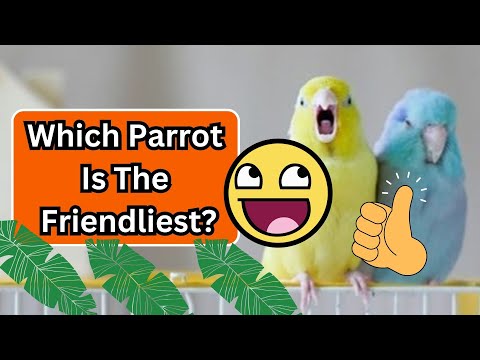
Looking for a friendly bird? You’ll want one that actually likes being around people and is easy to bond with. Some birds are playful and clever, while others just love hanging out with you.
Every bird has its own way of connecting, and not every species fits every lifestyle.
Cockatiel: Playful Companion
Cockatiels have a gentle, social vibe that’s hard not to love. They often bond closely with their humans and you can tell how they feel just by watching their crest feathers.
You might catch them whistling tunes or copying sounds from around the house. It’s pretty entertaining, honestly.
They do best when you spend time with them every day. Cockatiels get lonely if you leave them alone too much, so they need regular interaction or even a feathered buddy.
Their size makes them easy to handle. If you bring them into your home calmly, they usually settle in well.
You can expect a cockatiel to stick around for 15 to 20 years. If you want a playful bird that loves attention, a cockatiel is a solid pick.
Budgerigar (Budgie/Parakeet): Vibrant and Social
Budgies, or parakeets, are classic beginner birds for a reason. They’re small but packed with personality.
Budgies love to chirp and, with a bit of patience, might even pick up some words or fun sounds.
You can keep a single budgie or a pair, and they adapt to different homes pretty easily. These birds are smart and love playing with toys or hanging out with you.
Their bright green, yellow, and blue feathers are a joy to look at. Budgies can live 10 to 20 years if you care for them well.
They’re social, low-maintenance, and bring a cheerful energy to your day.
Lovebird: Loyal and Affectionate
Lovebirds are tiny parrots with a big heart for bonding. They’re playful and curious, but sometimes they get a little jealous—so it helps if you handle them early and often.
Their bright colors and unique markings make them especially charming. Lovebirds need daily playtime and attention to stay happy.
They usually feel best in pairs, but if you give them enough attention, they’ll bond closely with you.
Lovebirds stick around for about 10 to 15 years. If you’re ready for a pet that craves affection, a lovebird could be a great match.
Conure: Energetic and Entertaining
Conures, especially green-cheeked conures, bring a lot of energy and smarts to the table. They love socializing, playing, and exploring everything around them.
These birds are playful and, compared to some other conures, can be a little quieter—so they fit into homes a bit more easily.
You’ll need to interact with your conure every day to keep them happy and prevent boredom. Their colorful feathers and lively personalities make them a blast to have around.
Conures can pick up tricks if you train them regularly. They live about 20 to 30 years, so they’re in it for the long haul.
If you want a pet bird that’s energetic, friendly, and fun, a conure is a fantastic choice.
If you want more details on friendly pet birds, check out this guide to the friendliest pet bird species.
Choosing the Right Friendly Bird for Your Lifestyle

Picking a bird that fits your daily life and home is honestly the most important part. You’ll want to think about the bird’s size, how trainable it is, and just how much noise or attention it needs.
These factors can really make or break your experience as a bird owner.
Small vs. Medium-Sized Parrots
If you’re short on space, small parrots like budgerigars, parrotlets, or finches are great. They don’t need a huge cage and are generally easier to care for than the big guys.
Parrotlets might be tiny, but wow, do they have personality. Canaries and finches bring cheerful songs that can lift your mood.
Medium parrots—think pionus, Senegal, or amazon parrots—need a bit more room and attention. They live longer, can form strong bonds, but you’ll need a bigger cage and more time.
Large birds like cockatoos, African greys, or macaws? They’re a whole different commitment. If you’ve got the space and experience, you’ll get deep companionship, but they’re not for everyone.
Trainability and Intelligence
How much do you want to train your bird? Budgies and cockatiels are easy to train and can learn tricks or mimic words, which can make daily time together more fun.
African greys and Amazons are super smart. They pick up speech quickly, but you’ll have to keep them mentally busy or they’ll get bored.
Pionus parrots also learn well, though they’re quieter and less demanding. Doves, canaries, and finches barely need any training—they make sweet companions, but don’t expect them to interact like parrots.
If you want a bird that’s fuss-free, those simpler species might be just right.
Noise Level and Interaction Needs
Noise really matters to a lot of people. Parrotlets and budgerigars usually stay pretty quiet, though you’ll hear them chirp and sing from time to time.
Canaries and finches add gentle background melodies. They’re honestly great if you want a calm home.
Cockatoos, macaws, and African grey parrots? They’re much louder and crave company. If you don’t hang out with them regularly, they might get stressed—and yeah, noisy. Cockatoos especially need a ton of your time to stay happy.
If you want a bird that likes being around you but won’t fill your place with noise, maybe look at doves or pionus parrots. They’re gentle, sometimes affectionate, and don’t do those ear-splitting calls like some parrots.
For more about pet birds’ personalities and care, check out 12 Friendly Pet Bird Species.


