
If you’ve ever wondered about the earliest known bird, you’ll need to travel back about 150 million years. That’s when a strange, fascinating creature called Archaeopteryx lived.
Archaeopteryx stands out as the first bird most people recognize, mostly because it shows a wild mix of dinosaur and bird traits. It had feathers and wings like a bird, but also sported teeth and claws—definitely not features you’d find on today’s robins or sparrows.
This fossil plays a huge role in figuring out how birds actually evolved from dinosaurs.

It might surprise you to know that birds didn’t just pop into existence. Over millions of years, they gradually developed from small, feathered dinosaurs.
Archaeopteryx really bridges the gap between those ancient animals and the birds you see flitting around today.
Its discovery gave scientists some pretty big clues about how things like flight and feathers first appeared.
You’ll also find out about a few other early birds and how they stack up against Archaeopteryx. There are still plenty of debates and new discoveries happening, which keeps the story interesting.
It’s wild to think this connects us to a time when Earth looked completely different—and helps explain how modern birds came to be.
If you want to dig deeper, here’s a solid explanation of the evolution of birds.
Archaeopteryx and the Earliest Known Birds
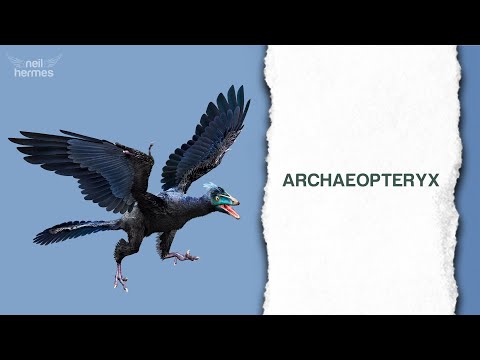
Let’s talk about how one ancient animal, Archaeopteryx, ties birds and dinosaurs together. Its features, the fossils we’ve found, and the debate about what counts as the “first bird” all help us piece together this part of natural history.
Defining the First Bird
Most people define the first bird by its blend of bird and dinosaur traits. You’re looking for feathers, wings, and some ability to fly, mixed with bones that still look a bit reptilian.
Archaeopteryx fits this pretty well. It lived in the Late Jurassic Period, about 150 million years ago.
That’s early—one of the first creatures to combine bird and reptile features.
When scientists sort out what makes something the first bird, they look for things like feathers for flight, hollow bones, and a wishbone.
Archaeopteryx ticks all those boxes, but it also had teeth and claws, which modern birds just don’t have.
Archaeopteryx: Features and Importance
Archaeopteryx was small and looked a lot like a dinosaur with feathers. It had feathers, wings, teeth, clawed fingers, and a long bony tail.
Its wings and feathers look a lot like those of modern birds. But its bones suggest it probably only managed short flights, not long journeys.
Think of Archaeopteryx as a textbook example of a transitional fossil—it shows the shift from reptiles to birds.
This animal helped scientists prove that birds actually evolved from dinosaurs.
Before anyone found Archaeopteryx fossils, people didn’t expect birds to have existed so far back.
Contenders for the Oldest Bird
Archaeopteryx usually gets credit as the earliest known bird. Some researchers mention fossils like Protoavis, but that one’s a real controversy—lots of experts aren’t convinced it’s a true bird.
What really makes Archaeopteryx stand out is the quality of its fossils and its clear bird-like features.
Scientists look for these things when deciding what counts as a bird fossil:
- Feathers
- Bird-like wings
- Some ability to fly
- Skeleton built for flight
Archaeopteryx checks these off better than any other fossil found so far.
Fossil Discoveries and Their Impact
People have found Archaeopteryx fossils mostly in Germany. Only seven specimens exist, but they’re amazingly well preserved.
The first fossil, discovered in 1861, was just a feather. That single feather sparked a ton of debate—was it from a bird or a dinosaur?
Later, more complete fossils turned up, showing skeletons with feathers, claws, and even teeth. That really strengthened the case for Archaeopteryx as a true bird.
These discoveries changed the way we understand bird evolution. They showed a strong link between dinosaurs and the birds we see today.
Finding new Archaeopteryx fossils still excites scientists. Each one gives us more hints about how flight and feathers first appeared.
If you’re curious about these fossils and their place in bird history, check out the University of California Museum of Paleontology.
The Evolutionary Link Between Dinosaurs and Modern Birds

Modern birds didn’t just show up out of nowhere. They actually evolved over millions of years from small, feathered dinosaurs.
Along the way, some big changes happened—feathers developed, running turned into flying, and early birds kept a few dinosaur traits.
Feathered Dinosaurs and Bird Origins
Feathers first showed up on some small theropod dinosaurs during the Jurassic period. Dinosaurs like Anchiornis had feathers, but not just for flight—they probably used them for warmth or showing off.
Feathers tell us these creatures might’ve been warm-blooded.
Fossils of feathered dinosaurs have helped us realize that feathers were common before true birds ever existed.
These dinosaurs had hollow bones and three-toed limbs, which you still see in birds. So, feathers didn’t just evolve for flight—they had other jobs long before.
Discoveries in places like China have uncovered lots of feathered dinosaurs. This really supports the idea that birds evolved from the dinosaur group Maniraptora.
So, birds aren’t just related to dinosaurs—they are living dinosaurs.
Transition from Theropods to Birds
You can trace birds back to theropods, which were bipedal, mostly meat-eating dinosaurs. Theropods like Velociraptor had a wishbone, hollow bones, and a backward-facing pubis bone.
The fossil Archaeopteryx from the Late Jurassic period made this connection obvious. It had feathers, wings, and bird-like bones, but also kept dinosaur features like teeth and clawed fingers.
Birds evolved from dinosaurs gradually, not all at once.
Over time, these theropods picked up traits that helped with flight and survival.
Wing structures, stronger chest bones, and better feather arrangements became more advanced in later bird ancestors.
Developing Flight: Gliding and Powered Flight
Flight didn’t just happen overnight. Early birds and their dinosaur relatives probably started by gliding.
You can picture them leaping from trees or cliffs, using feathers to slow their fall.
Dinosaurs like Microraptor could glide using feathered limbs—pretty wild, right? This hints that flight evolved in steps.
Eventually, muscles and bones got stronger, making powered flight possible. That means active flapping and real flying.
Features like the keel bone (where flight muscles attach) and a stiffer ribcage made powered flight work.
The alula, a small feather on the wing, helped with control during slow flight or landing. These changes marked the shift from simple gliding to true flight.
Ancestral Traits Retained in Early Birds
Early birds hung onto a bunch of dinosaur-like features, even as they started picking up new bird traits. Take Archaeopteryx, for instance—it had teeth and wings with claws. Modern birds? They’ve lost those.
Back then, their tails stretched out and had bones all the way through. These days, birds just have short, fused tails called pygostyles.
Some of those early birds even walked around with clawed feet, a lot like the feet of predatory dinosaurs. Kind of wild, right?
Keeping these features probably helped them climb, grab prey, or keep their balance. It really makes you wonder about all the in-between steps from dinosaur to bird.
If you want to dig deeper, check out how dinosaurs evolved into birds and see the whole journey from feathered theropods to the flyers we know today.


