
If you love dogs but want to maintain a tidy home, you might be wondering what is the cleanest type of dog. Some of the cleanest dog breeds include the Basenji, American Hairless Terrier, and Poodle. These breeds are known for their low grooming needs and minimal shedding, making them great choices for keeping your space neat.
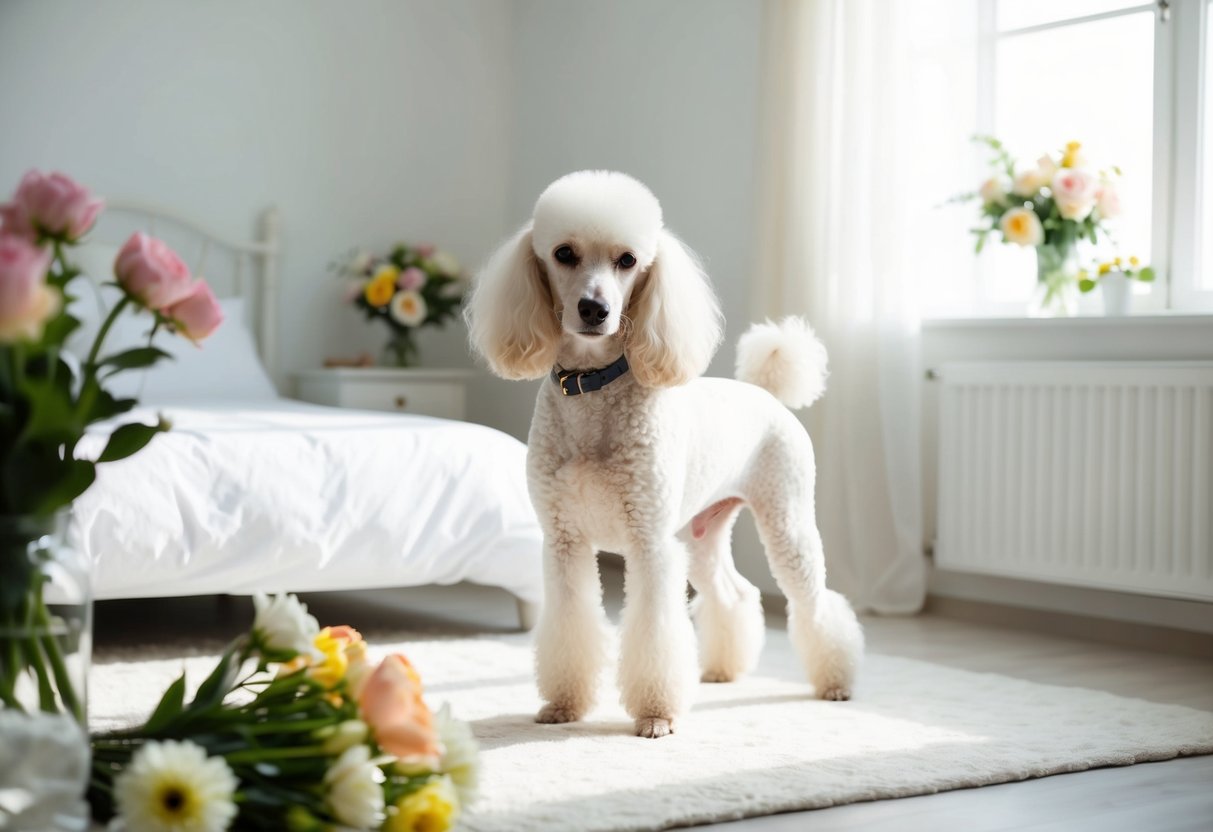
Many of these dogs have unique grooming habits that are almost cat-like, which helps them stay clean. For instance, the Basenji, often called the “barkless dog,” is naturally fastidious and keeps itself remarkably clean.
When considering your next furry friend, it’s important to think about how their cleanliness can fit into your lifestyle.
By choosing one of these clean breeds, you can enjoy the companionship of a dog without the mess that often comes with pet ownership. This guide will help you learn more about these breeds and find the perfect match for your home.
Criteria for Cleanliness in Dogs

When choosing a clean dog breed, several factors play a key role. You’ll want to consider grooming requirements, shedding and coat types, and hypoallergenic qualities. Each of these aspects affects how easy it is to keep your home tidy while enjoying the companionship of your furry friend.
Grooming Requirements
Grooming is essential for keeping your dog clean and healthy. Some breeds need regular haircuts, while others have coats that require minimal grooming.
For instance, dogs like the Bichon Frise and Poodle don’t shed much, but they do need regular grooming to prevent matting. On the other hand, breeds like the Beagle have short hair and require less frequent grooming.
A good rule of thumb is to choose a breed that aligns with the time you can dedicate to grooming. Consider investing in quality grooming tools to maintain your dog’s cleanliness efficiently.
Shedding and Coat Types
Shedding can be a major factor when looking for a clean dog. Breeds that shed less will help keep your home cleaner.
Low-shedding breeds often have hair instead of fur and might include options like the Yorkshire Terrier and Shih Tzu. These dogs might not leave fur around the house, but they still require regular grooming.
Short-haired breeds, such as the Dalmatian, shed but are often easy to manage. Their coats are easy to clean, reducing the overall mess.
Taking time to understand the shedding patterns of different breeds can lead you to a cleaner living space.
Hypoallergenic Qualities
Hypoallergenic dogs are a great choice for those who have allergies. These breeds are less likely to trigger allergic reactions due to their coat types and grooming needs.
Dogs such as the Maltese and Portuguese Water Dog are known for their minimal dander and low shedding. This doesn’t mean they require no grooming. Regular grooming is still necessary but may help within a household with allergy concerns.
If allergies are a consideration, it’s wise to spend time with a breed before making a commitment to see how you react. This can help you find a clean companion that fits your lifestyle.
Top Breeds for Cleanliness
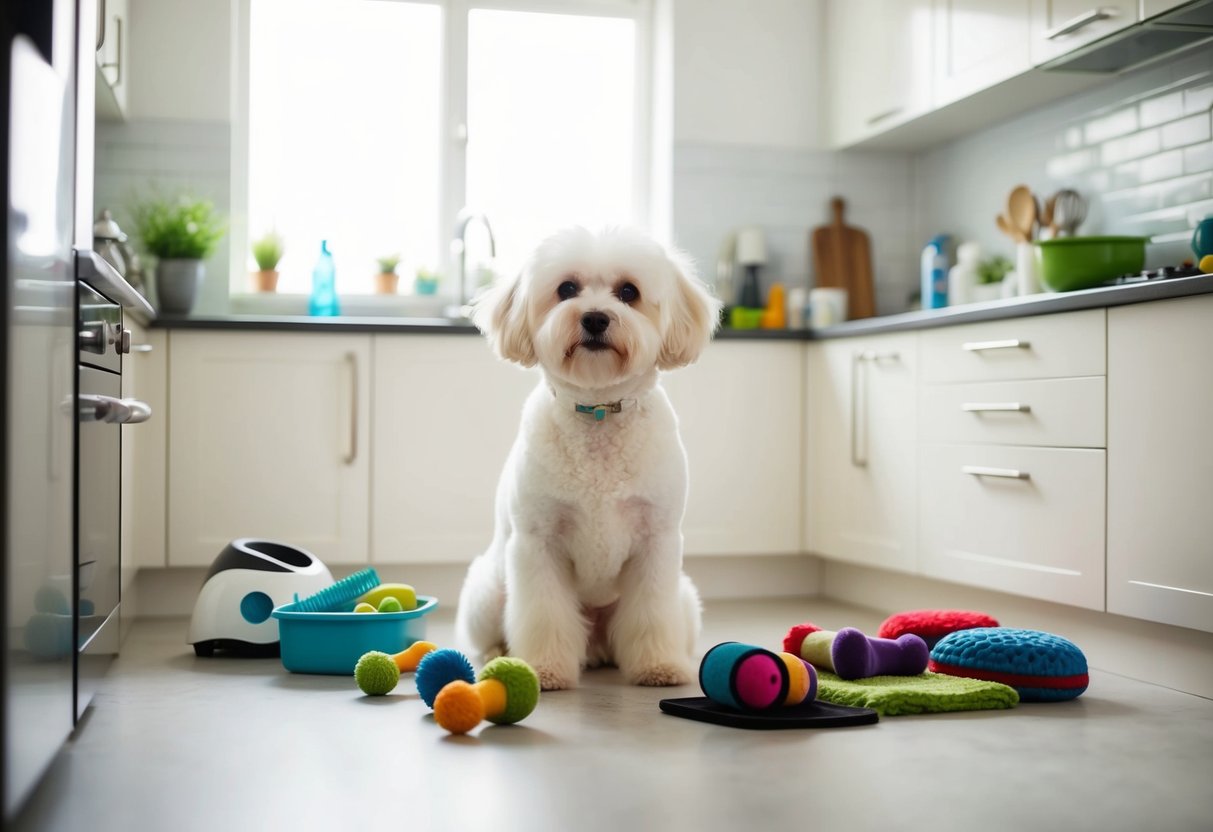
When selecting a dog known for cleanliness, consider breeds that shed less, require minimal grooming, or are known for their tidy habits. Here are some top choices that fit these criteria.
Small Breeds with Minimal Shedding
If you prefer small dogs, several breeds excel in cleanliness. The Chihuahua is one such breed. They have short hair that doesn’t shed much, keeping your home tidy. Another great option is the Maltese, known for its long, silky coat that doesn’t shed much either. Regular grooming will keep their hair looking beautiful.
The Bichon Frise is also a wonderful choice as it has a curly coat that traps dander and hair, preventing it from spreading around your house. The Japanese Chin is another small breed that maintains cleanliness with minimal shedding.
Non-Shedding Medium to Large Dogs
For medium to large-sized dogs that are also clean, consider the Poodle. Available in standard, miniature, and toy sizes, Poodles have a curly coat that retains hair, making it less likely to end up on your floors.
Another excellent option is the Whippet, which has short hair and minimal odor. Greyhounds also fall into this category; their short coat requires very little maintenance, and they typically have low dander levels as well.
If you want a unique breed, the Xoloitzcuintli, or Mexican Hairless Dog, is a non-shedding breed perfect for keeping your home clean.
Breeds with Minimal Grooming Needs
Some breeds require very little grooming while still looking good. The American Hairless Terrier has no fur, which means no shedding at all. This makes it an ideal choice for clean homes.
The Portugese Water Dog is another charming breed that has a curly, low-shedding coat. They are known for being energetic and playful, with minimal grooming needs.
The Pharaoh Hound also deserves mention. They have a short coat and require only occasional brushing to keep them tidy. Finally, the Italian Greyhound combines elegance with cleanliness, needing very little grooming to maintain their sleek appearance.
Maintaining Cleanliness
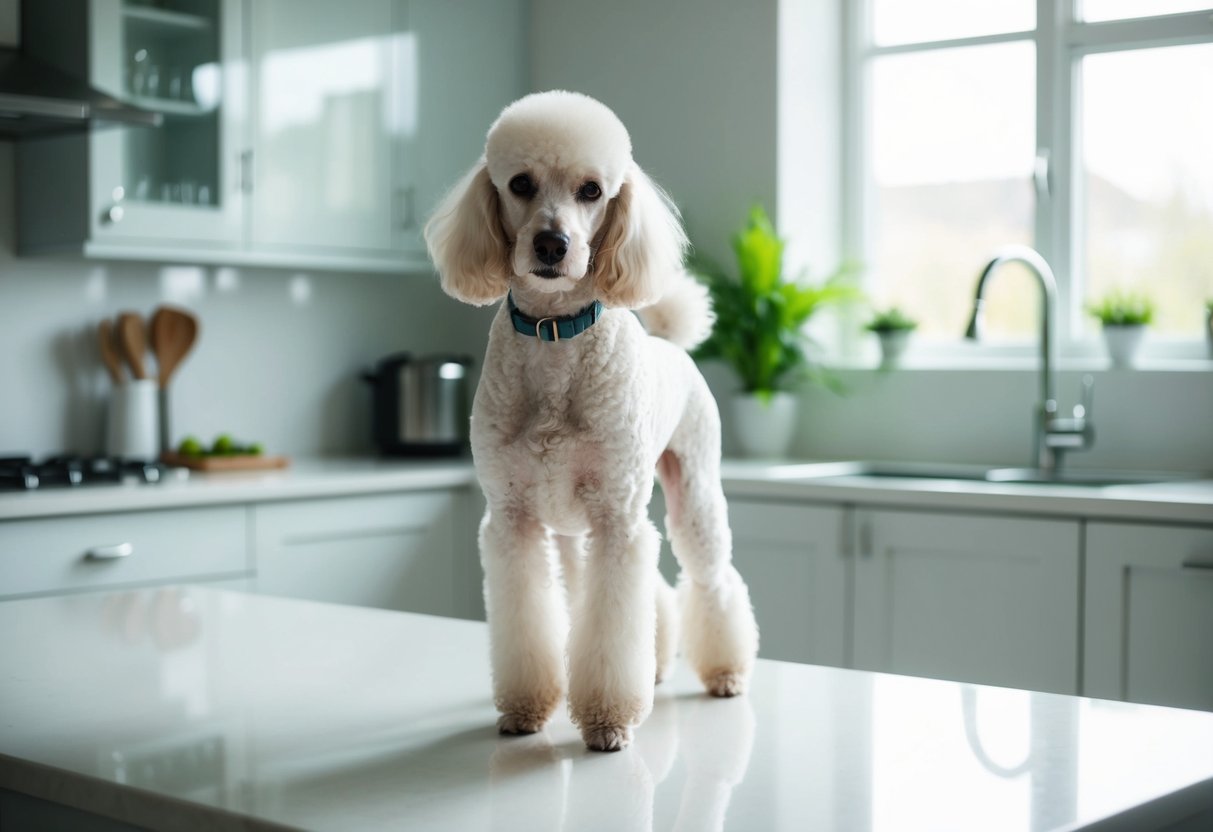
To keep your dog clean and pleasant, a regular grooming routine is essential. This helps control shedding, manage odors, and support your dog’s overall health. You will find that a few key tasks can make a significant difference.
Regular Grooming Routine
Establishing a regular grooming routine is crucial for maintaining your dog’s cleanliness. Brush your dog at least once a week, or more often for long-haired breeds. This helps reduce loose hair, which can lead to less shedding in your home.
Choose the right brush based on your dog’s coat type. For example, slicker brushes work well for thick coats, while bristle brushes are good for short-haired breeds. Regular grooming helps prevent mats and tangles, which can lead to skin issues.
Incorporate a health check while grooming. Look for signs of skin irritations, parasites, or lumps. Early detection of any issues can prevent serious health problems later.
Bathing and Dental Care
Bathing your dog is another vital part of maintaining cleanliness. Bathe your dog every 1 to 3 months, depending on their breed and activity level. Use a mild dog shampoo to avoid skin irritation.
While you’re bathing, pay attention to their ears and paw pads. Clean these areas to prevent infections.
Dental care is equally important. Brush your dog’s teeth 2 to 3 times a week. This helps prevent bad breath and dental problems. Dog dental treats can also help keep teeth clean between brushings.
Nail Trimming and Ear Cleaning
Nail trimming is essential for your dog’s hygiene and comfort. Check your dog’s nails every 3 to 4 weeks. Trim them if you can hear clicking sounds while they walk. Long nails can cause pain and difficulty in walking.
Ear cleaning is another key task. Check your dog’s ears weekly for dirt and wax buildup. Use a vet-recommended ear cleaner to gently clean the ears. Regular ear maintenance helps prevent infections and keeps your dog feeling comfortable.


