
When choosing a dog, you may want one that is both calm and smart. The Cavalier King Charles Spaniel is often considered the calmest and smartest dog breed. Known for their gentle nature and high intelligence, these dogs are excellent companions for families and individuals alike.
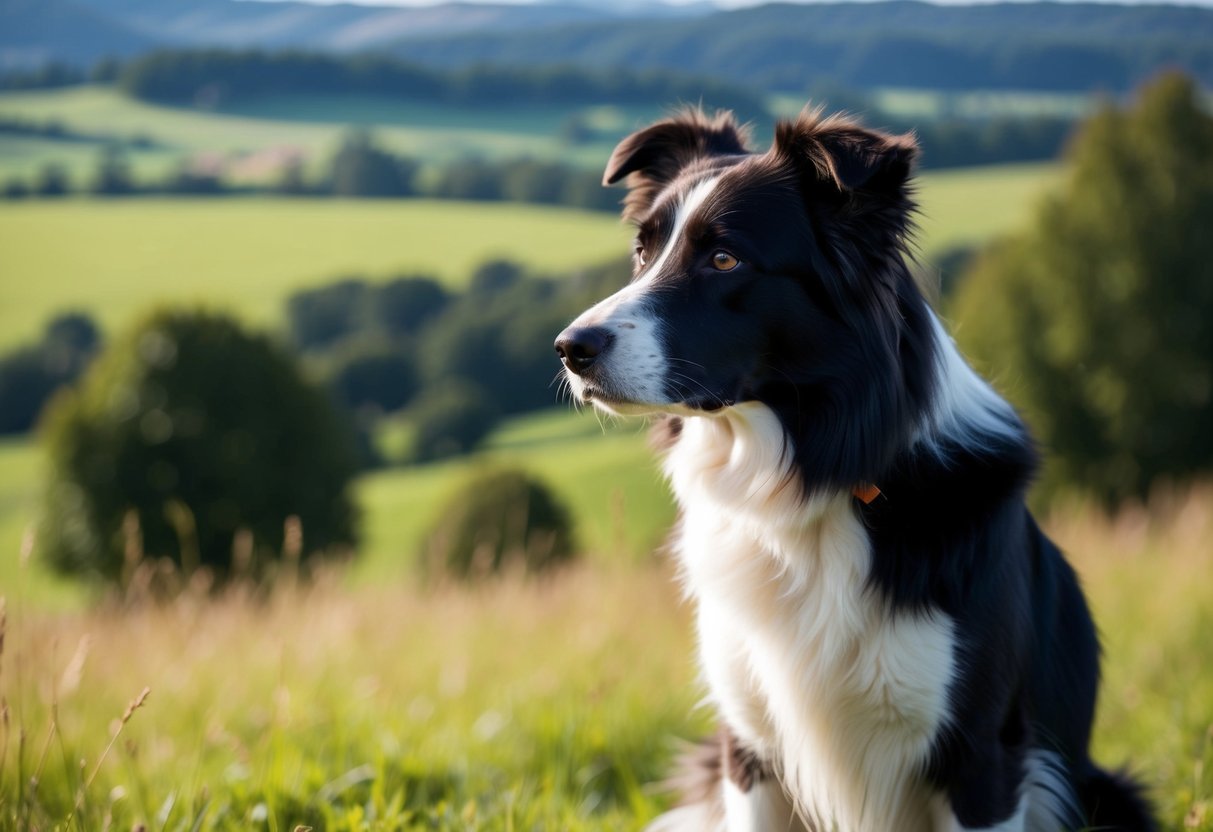
Imagine having a pet that not only stays relaxed during your busy days but can also learn commands quickly and easily. This breed excels in social situations and is great with children, making them an ideal choice for many households.
If you’re curious to learn more about other contenders for this title and what makes them unique, keep reading to discover the best options that blend calmness and intelligence in a furry friend.
Understanding Canine Temperament
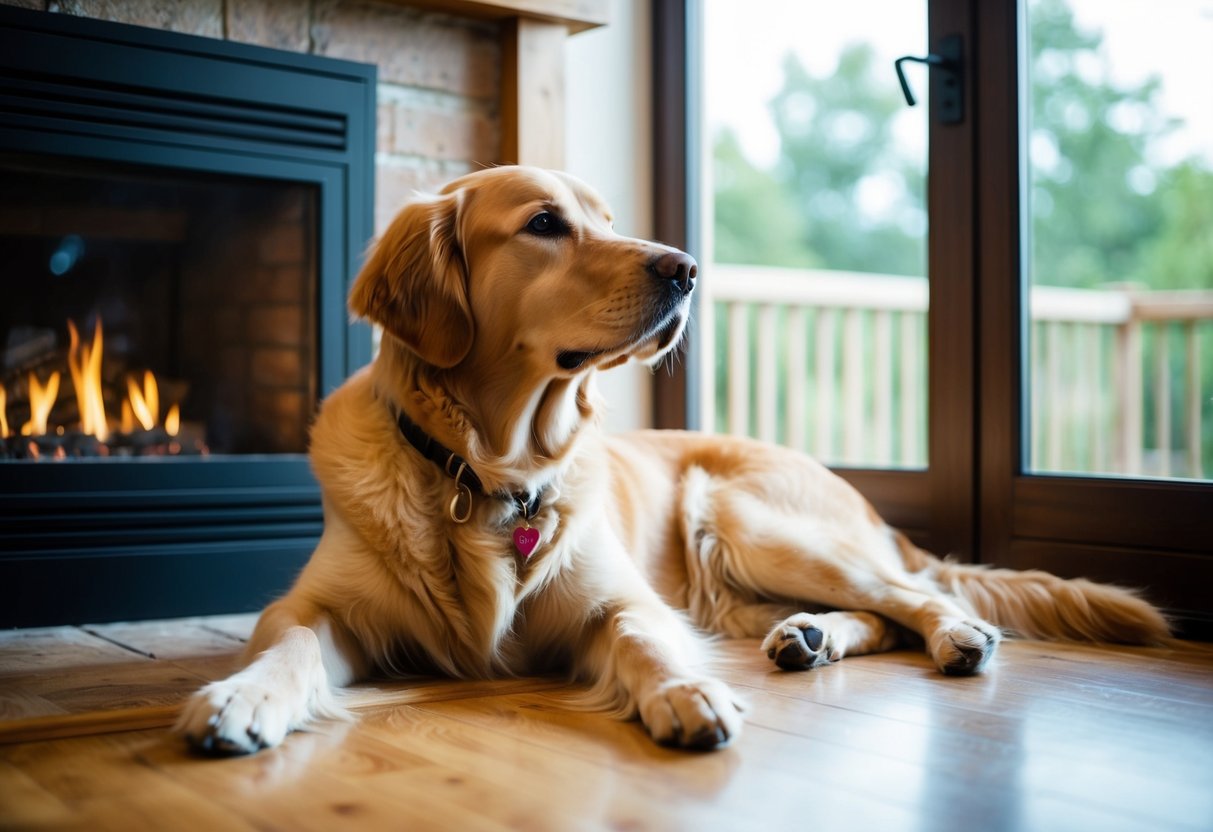
Canine temperament plays a crucial role in how dogs behave and interact. Understanding this can help you choose a pet that matches your lifestyle. Key traits include calmness and intelligence, both of which contribute to a dog’s ability to be a wonderful family pet or a skilled therapy dog.
Temperament and Personality Traits
When looking for a calm dog, consider temperament traits like patience, affection, and adaptability. Dogs like the Cavalier King Charles Spaniel are known for their gentle demeanor and affectionate nature, making them great companions.
Intelligent dogs tend to understand commands quickly, but not all intelligent breeds are calm. For instance, while some hunting dogs are smart, they may require more exercise and stimulation. In contrast, breeds like the Bichon Frise combine a friendly nature with a calm temperament, perfect for families and therapy work.
Factors Influencing Calmness in Dogs
Several factors influence a dog’s calmness. Genetics can play a big role. Some breeds are naturally more laid-back, while others are high-energy.
Training and socialization are essential. A well-trained dog is often calmer and more confident in various situations.
Regular exercise also contributes to a calm demeanor. Without enough physical activity, dogs may become anxious or restless.
Finally, a stable home environment can encourage a calm temperament. By providing routine and comfort, you can help your dog feel secure and relaxed.
Breed Profiles of Calm Dog Breeds

If you’re considering adding a calm dog to your home, there are several breeds that stand out for their gentle temperament and loving nature. Each breed has unique characteristics that make them a great choice for families or individuals seeking a laid-back companion.
Gentle Giants and Their Loving Nature
Gentle giants are large dog breeds known for their calm demeanor. The Newfoundland is one of the kindest, often referred to as a “gentle giant.” They are patient and great with children.
Next is the Saint Bernard, known for their friendly disposition. They are loyal and enjoy being close to their families.
The Great Dane is another giant breed that, despite their size, is known for being affectionate and easygoing.
Lastly, the Bernese Mountain Dog combines strength and gentleness, making them excellent family companions. Their laid-back attitude and loyalty make them ideal pets.
Small and Calm Companions
Small breeds can be just as calm and loving. The Cavalier King Charles Spaniel stands out for its friendly nature and adaptability. They thrive on companionship and are excellent with kids.
The Bichon Frise is a cheerful fluffball that loves to snuggle. This hypoallergenic breed is perfect for those who have allergies but still want a calm pet.
The French Bulldog and English Bulldog rank high on temperament charts. Both breeds are known for their relaxed demeanor and minimal exercise needs.
Additionally, the Pekingese is affectionate and quiet, making it a great lap dog for relaxed households.
The Middleweights: Calmness in Versatile Sizes
Middleweight breeds offer a nice balance in size and temperament. The Labrador Retriever is well-known for its friendly nature. Labrador Retrievers are calm indoors and enjoy outdoor activities, making them adaptable.
The Golden Retriever also fits this category. They are gentle and friendly, perfect for families.
Basset Hounds are another great choice, known for their easygoing personality. They are affectionate and tend to chill around the house.
Finally, the Clumber Spaniel and Shih Tzu provide a calm presence in the home. Clumber Spaniels are known for their loving demeanor, while Shih Tzus are happy lap dogs. Each of these breeds offers a unique blend of calmness and companionship.
Caring for a Calm Breed
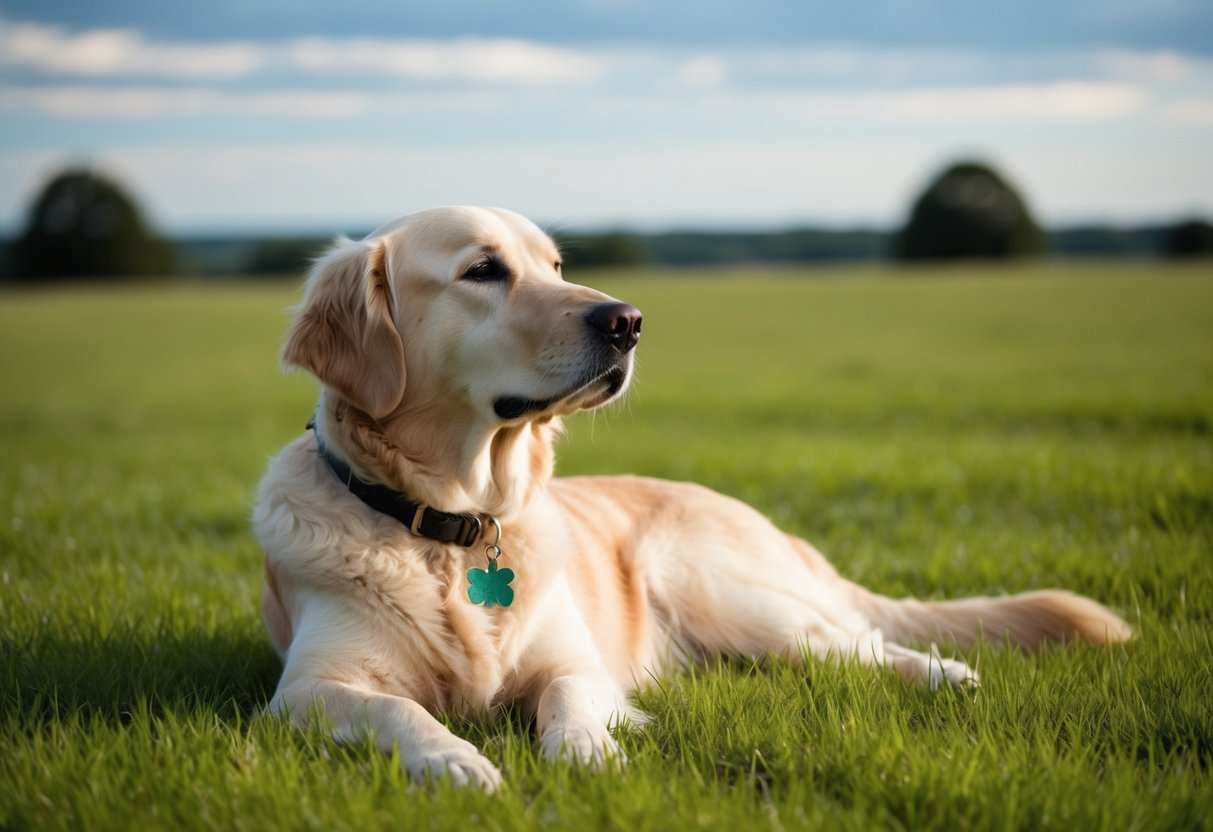
Taking care of a calm dog breed requires understanding their exercise needs and health considerations. Knowing how much activity they need and how to groom them properly can help keep your dog happy and healthy.
Exercise Needs and Mental Stimulation
Calm dog breeds often have lower energy levels, meaning they do not require as much exercise as more active breeds.
Regular daily walks are essential, typically around 30 minutes to an hour. This helps them stay fit and content.
In addition to physical activity, mental stimulation is crucial. You can achieve this through puzzle toys, training sessions, or interactive games. These activities can be great for keeping your dog’s mind sharp and preventing boredom.
Remember, even a calm dog enjoys a good play session!
Health Considerations and Grooming
Health is an important part of caring for your calm breed. Regular vet check-ups can help identify any potential health issues early on.
Some calm breeds, such as hypoallergenic ones, may need special grooming routines to keep their coats healthy.
Brushing your dog regularly, especially if they have long fur, can help reduce matting and keep their skin healthy. Additionally, make sure to check their ears and teeth as part of your grooming routine.
Staying on top of these tasks contributes to a happy and healthy pup!
Selecting the Right Calm Dog for Your Family

Choosing the right calm dog can greatly enhance your family’s happiness. It’s essential to find a breed that fits your lifestyle and meets your family’s needs.
Pay attention to specific traits and how they align with your household activities and dynamics.
Matching a Dog to Your Lifestyle
Think about your daily routine before selecting a calm companion. If you have a busy household, breeds like the Bergamasco or Leonberger can be great, as they tend to enjoy a laid-back environment.
If you prefer quiet evenings, consider a Whippet or Tibetan Spaniel. These dogs are known for their relaxed nature and can happily lounge on the couch with you.
Also, look at the dog’s exercise needs. English Cocker Spaniels and Sussex Spaniels are often content with short walks and some playtime. Make a list of your family’s activity level to help narrow down your choices.
Adoption Tips and Considerations
Adoption can be a wonderful way to find a calm family dog. Start by visiting local shelters or rescue organizations. Many calm breeds, like the Bernese Mountain Dog or Irish Setter, are often looking for loving homes.
When you meet a dog, observe its temperament. Does it seem affectionate and gentle? Pay attention to how it interacts with your family. This will help you assess if it’s a good match.
Consider the dog’s size too. Gentle giants like the Irish Wolfhound or Boerboel may require more space but can be loving family members. Always ask about the dog’s history, behavior, and health to make an informed decision.


