
Wasps have a knack for ruining a good backyard BBQ or a lazy afternoon on the patio. If you want to keep them away, the best thing you can do is mix up natural repellents, set some traps, and seal off any entry points you spot. This combo makes your space less inviting, so wasps look elsewhere.
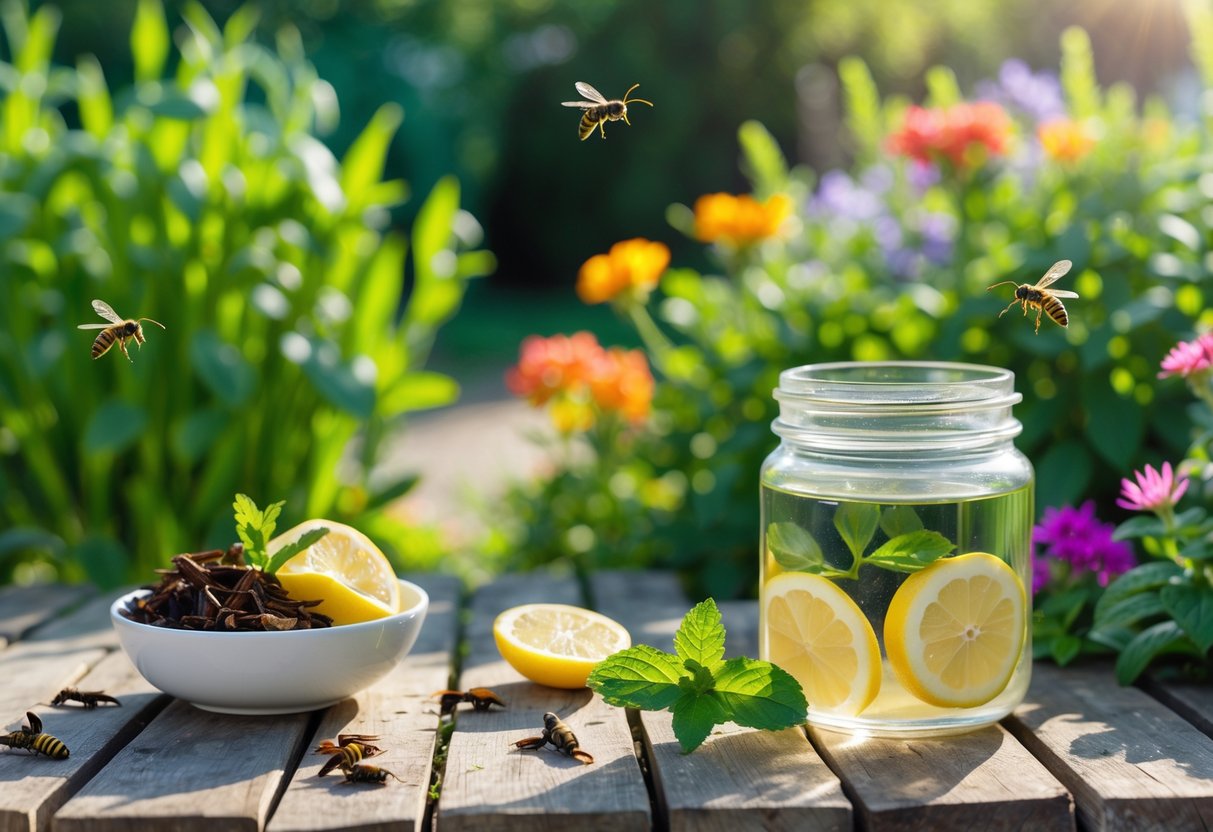
Try using strong scents like peppermint oil or plant wasp-repellent herbs close to your home. That alone can help a lot.
If you add a couple of DIY traps or grab a store-bought repellent, you’ll probably see results even faster. You don’t have to rely on harsh chemicals or risky sprays to see a difference.
Learning how to make your outdoor space less appealing to wasps means you can actually enjoy the fresh air. It’s not that hard to stop wasps from nesting nearby and keep them away for good.
Most Effective Ways to Keep Wasps Away
You’ve got a few good options for keeping wasps away, and they work even better together. Some methods use smells that wasps can’t stand, while others use traps or decoys to scare them off.
Try planting flowers that wasps avoid. It’s a simple step, but it really does help.
Natural Wasp Repellents and Scents
Strong smells are a solid way to keep wasps away. Peppermint oil works especially well—it just bothers wasps.
Mix about 10-15 drops with water and spray it around doors, windows, and spots where you hang out.
Lemongrass oil or diluted vinegar can also do the trick. Just don’t leave sweet drinks or snacks outside, since that’s like rolling out a welcome mat for wasps.
You could burn citronella candles or put crushed garlic where wasps like to show up. These natural scents help without adding sketchy chemicals to your space.
Using Wasp Traps and Decoys
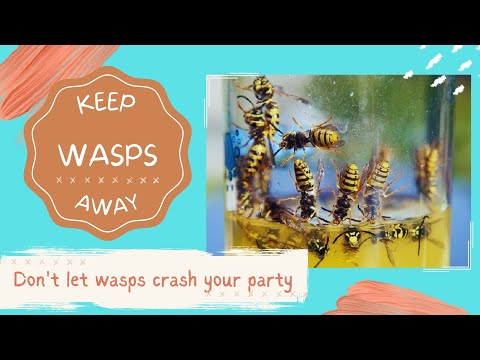
Wasp traps can cut down on the number of wasps near your home. You can buy traps, but honestly, making your own is easy—just fill a bottle with sugar water or some meat scraps.
Wasps get in, but they can’t get back out.
Decoy nests send a message to wasps that your yard is already claimed. Paper wasps don’t like to build near another nest, so hanging a few fake nests might keep them at bay.
Set up traps early in the season. That way, you stop big colonies from forming.
Keep the traps away from your favorite hangout spots, though.
Best Plants to Deter Wasps
Some plants naturally keep wasps away. Geraniums and marigolds have smells that wasps just don’t like.
Plant these around your patio or garden to give yourself a little extra protection.
Lemongrass works too. Its citrusy smell acts as a natural wasp repellent.
Try keeping pots of these plants near doors or eating areas. It’s a win-win—they look good and help keep wasps out.
Mixing these plants together not only deters wasps, but also adds some color and a nice scent to your yard.
Preventing Wasps from Returning and Addressing Nests

If you want to stop wasps from coming back, you’ll need to deal with their nests and learn a bit about how they behave. Removing nests can get risky, so sometimes it’s smarter to call a pro.
A few careful steps can make your yard safer during wasp season.
Wasp Nest Removal and Safety
If you spot a wasp nest near your house, you have to be careful. Wasps build nests in trees, under eaves, or sometimes inside walls.
Use a good-quality wasp spray at night when they’re less active. That’s usually the safest time.
Wear long sleeves and gloves if you’re going near a nest. Try not to make quick moves or loud noises—nothing good comes from angry wasps.
After spraying, wait a day or two before taking down the nest. That way, you’re sure the wasps are gone.
Never try to remove a nest with your bare hands or without the right tools. If the nest is big, in a tough spot, or you’re allergic, just call for help.
Types of Wasps and Their Behavior
It helps to know what kind of wasps you’re dealing with. Yellowjackets act aggressively and usually nest underground.
Bald-faced hornets build big, paper-like nests that hang from trees or roofs.
Mud daubers make little mud nests on walls, but they’re not as aggressive. Each type behaves differently, so your approach might change.
Most wasps won’t use the same nest twice, but they’ll come back to places with food and shelter.
Wasps get more aggressive late in the season, especially when food gets scarce. Keep your trash sealed and skip sweet foods outside if you want to avoid drawing them in.
When to Use Professional Pest Control
Sometimes, those DIY tricks just don’t cut it when you’re dealing with wasps. If you spot a big nest, one tucked inside a wall, or a bunch of angry yellowjackets, it’s probably time to call in the pros.
Pest control experts bring stronger wasp sprays and gear that actually works. They’ll show up with the right tools and know-how to get rid of nests without putting themselves—or you—at risk.
They don’t just remove nests, either. They’ll walk around your property, point out what’s attracting the wasps, and suggest real changes to help keep them away for good.
If you’ve got allergies or just hate the idea of getting stung, reaching out to a professional makes a lot of sense. An expert can handle the job fast and help make sure wasps don’t make your home theirs again.
Want to dig deeper into safe wasp nest removal or how to keep them from coming back? Check out how to get rid of wasps and prevent more nests.


