
Choosing the right dog can be a big decision, especially if safety is a top priority for you and your family. You may wonder which breed is the best fit. Labrador Retrievers are often regarded as one of the safest dog breeds due to their gentle nature and friendly disposition.
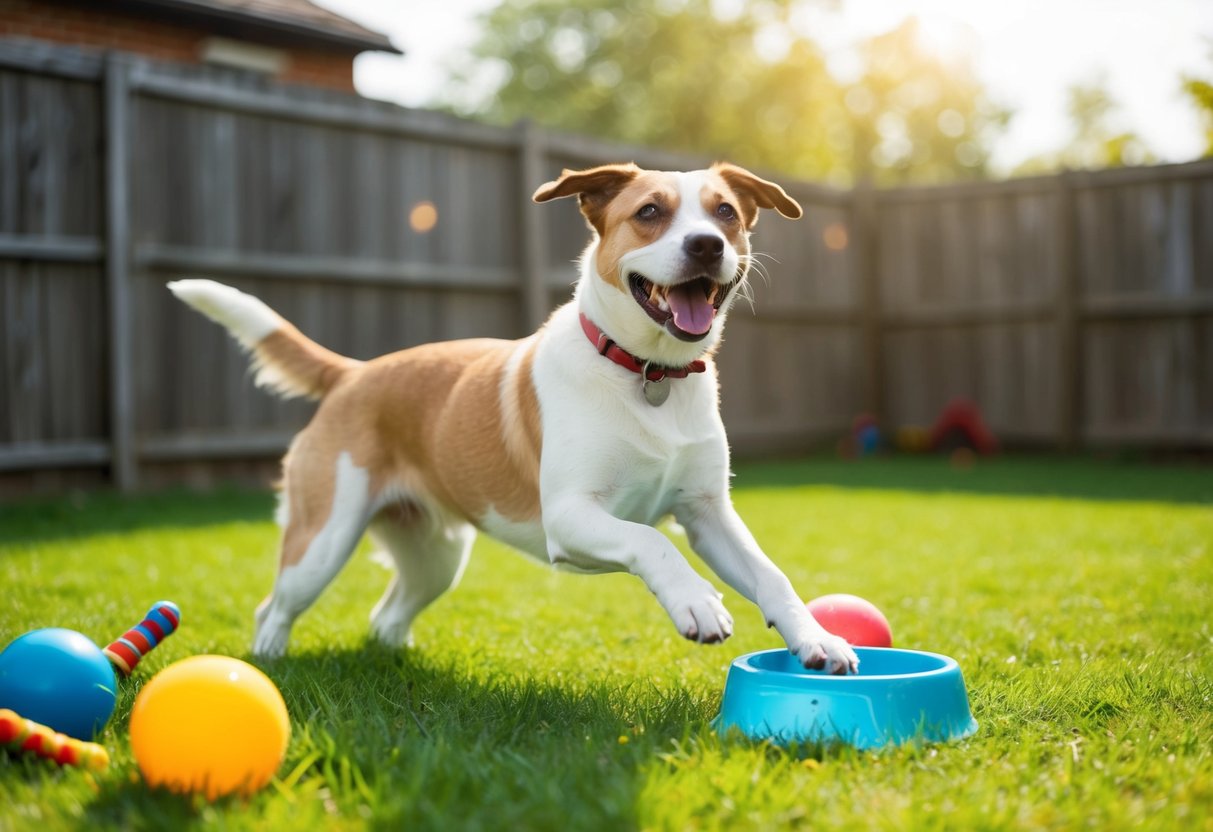
As you explore your options, it’s essential to consider the traits that make a dog safe and reliable. Some breeds are naturally more patient and nurturing, making them great companions for children and families.
You’ll find that certain breeds, like the Cavalier King Charles Spaniel and Newfoundland, are known for their calm temperaments and affectionate behavior.
Understanding what makes a dog breed safe for your home will help you make an informed decision. Whether you’re a first-time dog owner or adding another furry member to your family, knowing the safest options can lead to a happier and more secure environment.
Assessing Dog Safety and Temperament
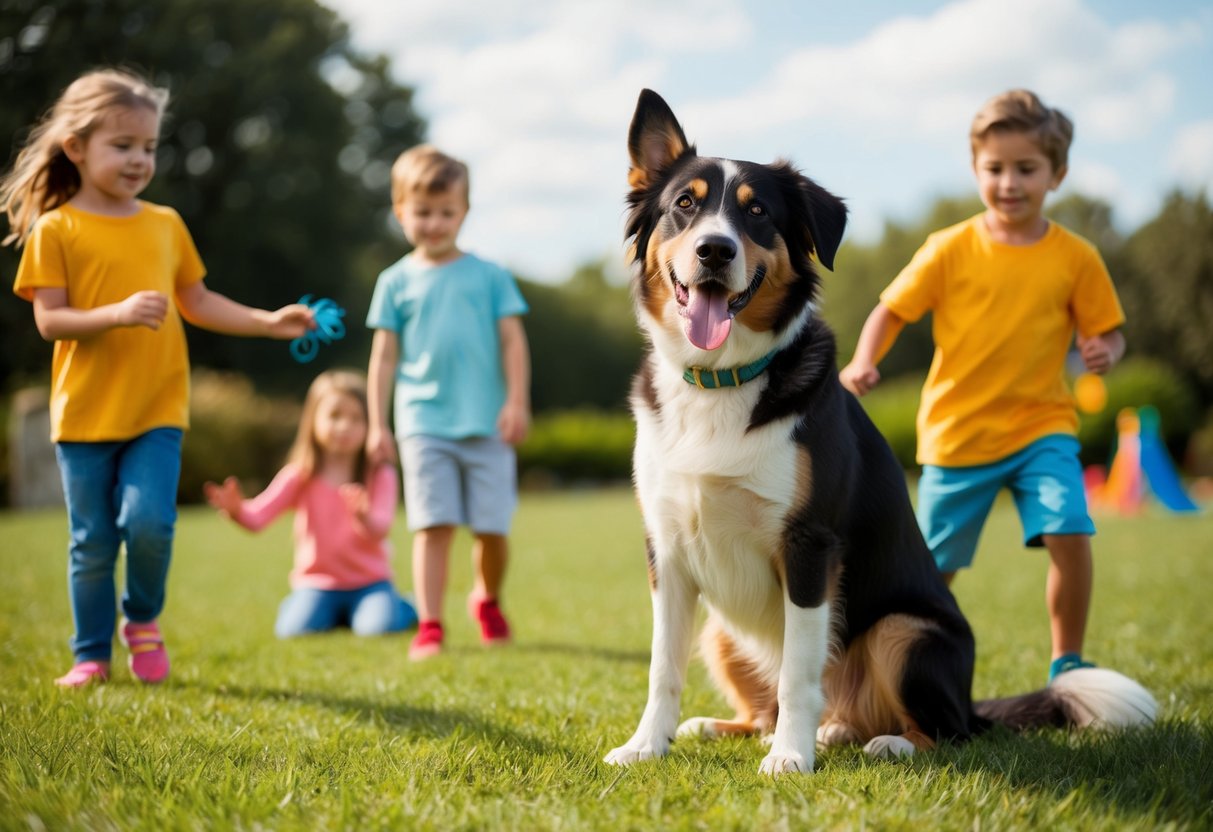
When considering a safe dog, it’s important to evaluate specific traits that indicate how a dog may behave in various situations. Safety often comes down to temperament, which can be greatly influenced by training and socialization.
Traits of a Safe Dog
A safe dog typically exhibits certain key traits. First, look for calmness in new environments. This suggests that the dog can handle unexpected situations without becoming overly reactive.
Loyalty is also crucial, as a loyal dog will often defend its family and adapt well to their needs.
Additionally, good companionship means the dog enjoys being around people, making them more relatable and easier to train.
Socially adept dogs are generally friendly and approachable, which makes them safer around children and other pets. A temperament test, like the SAFER Test, can help you assess how a dog might behave in different scenarios, giving you valuable insight into their safety.
Importance of Socialization
Socialization is vital for a dog’s development and safety. Dogs that are well-socialized tend to be more adaptable. They learn how to react to a variety of situations, people, and environments.
During training, introducing your dog to different sights, sounds, and experiences helps them gain confidence. This process reduces fear, which can lead to aggressive behavior.
Regular exposure to other dogs and friendly humans also builds positive associations. A well-socialized dog is likely to form strong bonds with its family, ensuring they are a good companion. Investing in this aspect of training is key for fostering a safe and well-adjusted pet.
Popular Safe Dog Breeds for Families

When choosing a dog for your family, safety and temperament are key factors. Some breeds are known for being gentle, friendly, and protective, making them great choices for households with children.
Small to Medium-Sized Family Dogs
If you prefer smaller dogs, several breeds fit well in family settings.
-
Beagle: Beagles are curious and friendly. They love to play and get along well with kids. Their playful nature makes them a great companion for outdoor activities.
-
Bichon Frise: This breed is known for its cheerful disposition. Bichons are small, friendly, and hypoallergenic, which makes them excellent for families with allergies.
-
Bulldog: Bulldogs are calm and affectionate. They are good-natured and make great family pets due to their gentle nature. Their loyalty to family members is a plus.
-
Poodle: Poodles come in different sizes and are very intelligent. They are easy to train and get along with children, making them a popular family choice.
Loyal and Protective Large Breeds
Larger breeds can also provide a safe and loving environment for your family.
-
Labrador Retriever: Labs are friendly and playful. They are also protective, making them one of the most popular family dogs in the world. You can count on them to be great with kids.
-
Golden Retriever: Similar to Labs, Golden Retrievers are gentle and devoted. They have a loving temperament and are known for being patient with children.
-
Collie: Collies are intelligent and protective. They form strong bonds with their families and are excellent at looking out for children’s safety.
Choosing the right dog involves finding a breed that matches your family’s lifestyle and needs.
Guard Dogs That Offer Safety and Companionship
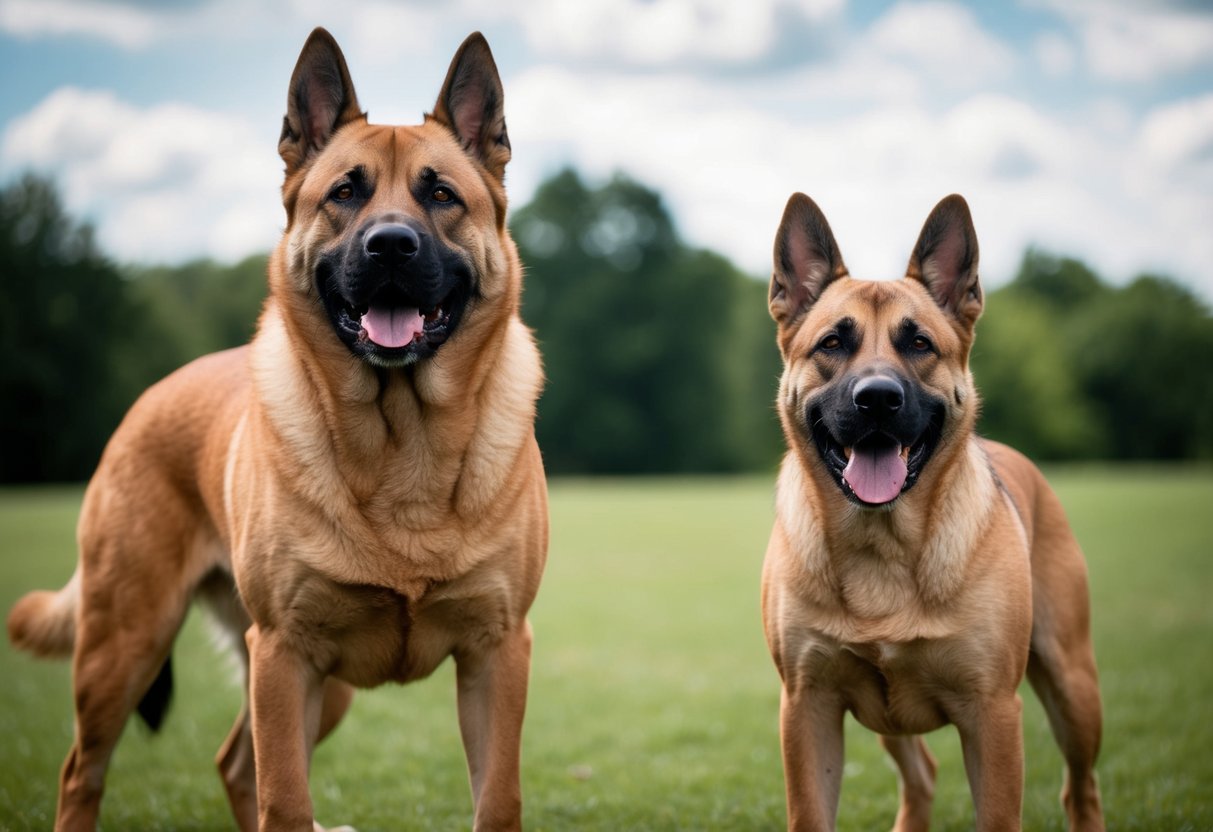
Choosing a guard dog means finding a balance between protection and a loving companion. Certain breeds excel in this role, providing both security and a strong bond with your family.
Balancing Protection with Friendliness
When looking for a guard dog, consider breeds like the German Shepherd, Rottweiler, and Boxer. These dogs are known for their protective instincts and loyalty. They are often referred to as nanny dogs due to their gentle nature with children.
Small breeds like the Doberman Pinscher and Belgian Malinois also offer impressive protection without being overly aggressive. They form strong attachments to their families, making them great companions while still keeping watch over your home.
Training Guard Dogs for Safety
Training is crucial for any guard dog. Early socialization helps them learn how to behave around strangers and other pets.
For instance, a well-trained Rottweiler can be gentle with family but alert to any potential threats.
Using positive reinforcement during training encourages good behavior. Reward your dog with treats and praise when they respond well to commands. This builds trust and helps them feel secure in their role.
Regular training sessions should focus on both obedience and protective behavior. Teach commands like “stay” and “guard.” A well-trained guard dog, like a Belgian Malinois, can be both a protector and a loving companion in your home.
Considerations for Choosing the Safest Dog
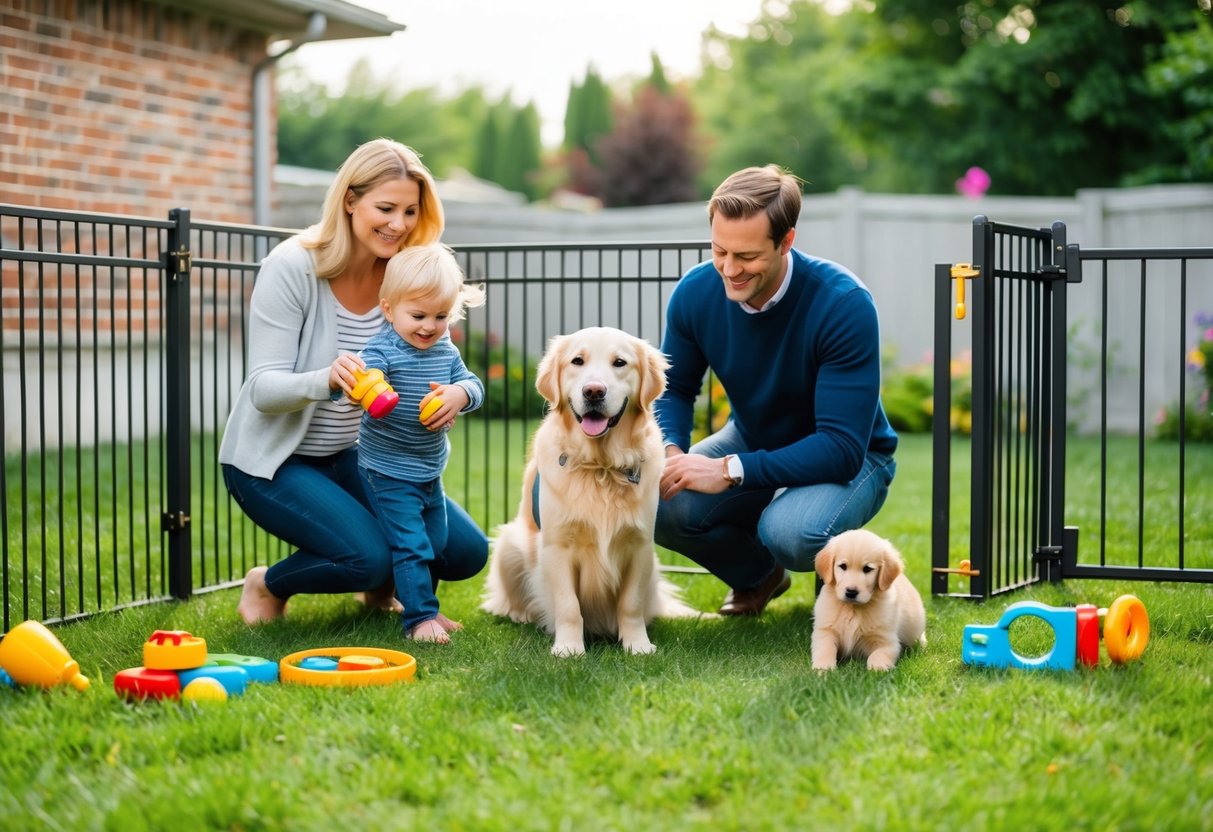
When looking for the safest dog for your family, it’s essential to consider different factors. Breed-specific laws and the health of the dog play a significant role. Understanding these aspects can help you make an informed decision.
Understanding Breed-Specific Legislation
Before selecting a dog, check any local laws regarding certain breeds. Some areas have restrictions on specific breeds, often based on misconceptions about their behavior. Breeds like Pit Bulls or Rottweilers may face more scrutiny than others.
- Research your local regulations.
- Consider breeds that are less likely to be restricted.
- Note that safe breeds often include Labrador Retrievers and Golden Retrievers, known for their friendly nature.
Additionally, consult your own community. Speak with local shelters or dog trainers. They can provide insight on popular breeds and their behavior around children and other pets.
Health and Longevity Factors
Choosing a dog that is healthy and has a long lifespan can impact safety. Certain breeds may be predisposed to health issues, which can affect their temperament and behavior.
- Look for medium-sized dogs with strong health records.
- Large dogs, like Bullmastiffs, can be wonderful companions but need proper training.
Regular check-ups and a good diet are crucial for maintaining your dog’s health. Healthy dogs are often happier and more balanced, making them safer around your family.
Prioritize breeds known for fewer health problems, like Beagles or Poodles, as they often have better health and temperament.


