
Finding the right family dog can be a big decision, especially if shedding is a concern for you. With many breeds to choose from, you need to know which ones are best for families while also minimizing fur around the house. One of the top choices for a family dog that doesn’t shed a lot is the Bichon Frise, known for its friendly nature and playful spirit.

You want a pet that not only loves your family but also fits into your lifestyle. Non-shedding dogs, like the Portuguese Water Dog, make great companions while being low-maintenance when it comes to cleaning up fur. These breeds not only bond well with kids but also bring joy and energy to your household.
As you explore the options for a family dog, consider the benefits of a breed that won’t leave a trail of fur around your home. Let’s dive into the best family dogs that fit this description, so you can make an informed decision for you and your family.
Understanding Non-Shedding and Hypoallergenic Dog Breeds
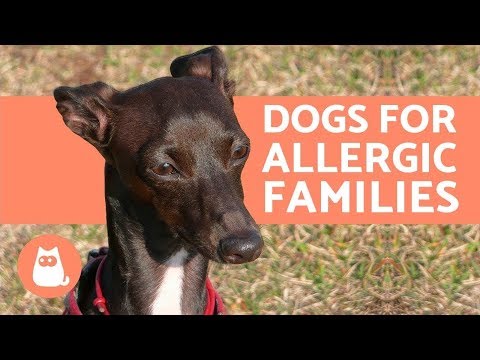
When looking for a family dog that doesn’t shed, it’s important to understand the terms “non-shedding” and “hypoallergenic.” These breeds can be a great fit for families, especially if anyone in your home has allergies.
Benefits of Non-Shedding Dogs for Allergy Sufferers
Non-shedding dogs can be a blessing for allergy sufferers. Since they produce less fur, there is less hair for you to clean up. This can make maintaining a clean home much easier.
Another perk is that many non-shedding breeds also have low dander. Dander is tiny skin flakes that can trigger allergies. By choosing a low-dander breed, you help reduce allergy symptoms in sensitive family members.
You can still enjoy all the love and companionship that comes with having a dog. You won’t have to compromise on loyalty and fun just because of allergies!
Hypoallergenic Breeds Explained
The term “hypoallergenic” means that a breed might cause fewer allergic reactions. While no dog is completely non-allergenic, some breeds are known for producing less allergenic material.
Hypoallergenic dogs often have hair instead of fur. Hair tends to trap dander and allergens, keeping them out of the air. This can provide a more comfortable environment for allergy sufferers.
Examples include the Poodle, Maltese, and Bichon Frise. These breeds are known for their unique coats that shed minimally and produce less dander. By selecting one of these hypoallergenic breeds, you can enjoy a furry friend without the sneezy side effects!
Popular Non-Shedding Family Dogs

When looking for the best family dog that doesn’t shed, you have plenty of lovely choices. Some breeds are smaller, while others are larger. Each option brings a unique personality and charm, making it easier for you to find the right fit for your family.
Toy and Small Dog Breeds
Toy and small dog breeds are great for families who live in apartments or prefer smaller companions. Bichon Frise is a popular choice due to its friendly nature and fluffy, hypoallergenic coat. They require regular grooming to keep their coat healthy.
Maltese dogs are another wonderful option. They are known for their affectionate personality and minimal shedding. The Shih Tzu is also a lovable breed, known for its long hair and friendly demeanor. All these breeds are great with kids and make excellent family pets.
Medium to Large Dog Breeds
For families wanting a medium or large dog, consider the Standard Poodle. They are intelligent and very trainable, which makes them great companions. Their curly coat does not shed much, requiring regular grooming.
The Schnauzer is also a fantastic choice. Available in standard and miniature sizes, Schnauzers are protective and good-natured. Yorkshire Terriers are small but are also considered low-shedding. They lively, energetic personalities make them popular among families.
Rare and Unique Non-Shedding Breeds
If you’re curious about rarer breeds, check out the Bedlington Terrier. This breed is known for its unique appearance and friendly personality. It’s playful and good with children.
The Toy Poodle is another unique option, offering the charm of a small dog combined with poodle intelligence. These hypoallergenic dogs tend to fit well in family dynamics. Whichever breed you choose, you can find a dog that fits your family perfectly!
Choosing the Right Dog for Your Family

When choosing the right dog for your family, it’s important to focus on temperament, grooming needs, and suitability for different family members. Opting for a non-shedding dog breed can make your home more comfortable, especially for those with allergies. Here’s what to consider.
Temperament and Behavior
The temperament of a dog is crucial for family dynamics. Look for breeds known to be affectionate and gentle. Breeds like the Bichon Frise, Poodle, and Maltese are often great choices. They tend to be friendly and loving, making them excellent companions for children and seniors alike.
These dogs can also have varying energy levels. Some, like the Cavalier King Charles Spaniel, may require more playtime, while others might be more relaxed. Understanding their behavior is key to ensuring a harmonious household. Non-shedding breeds often have a loyal disposition, making them great watchdogs without being overly aggressive.
Grooming and Maintenance
Grooming is another significant factor when selecting a dog. Non-shedding dog breeds usually require regular grooming to keep their coats healthy.
Breeds like the Shih Tzu and Poodle benefit from frequent brushing to prevent mats and tangles. While they may not shed, their fur still needs attention. Scheduling regular grooming appointments can help manage their coats and keep them looking their best.
Consider using professional groomers or learning to do it yourself if you’re up for it. Either way, keeping up with grooming is essential for non-shedding breeds to prevent skin issues and maintain cleanliness.
Considerations for Children and Seniors
When you have kids or seniors in your family, the dog’s behavior is even more important. Look for breeds that are known to be good with children and have a tolerant nature.
Hypoallergenic breeds, like the Yorkshire Terrier or Scottish Terrier, can be great around kids because they tend to have gentle temperaments. Additionally, their small size often makes them appropriate for families with limited space.
For families with older adults, you may want a dog that is calm and easygoing. Senior-friendly breeds can offer companionship without being too rambunctious. Whatever your situation, ensuring your dog fits well with all family members is vital for a happy home.
Care Tips for Non-Shedding Dogs

Taking care of non-shedding dogs involves specific health, nutrition, exercise, and grooming needs. These tips will help keep your furry friend happy and healthy.
Health and Nutrition
Feeding your non-shedding dog a balanced diet is essential. Look for high-quality dog food that lists meat as the first ingredient. This ensures they get enough protein for energy and muscle health.
Consider adding fruits and vegetables to their diet for extra vitamins. Carrots, blueberries, and sweet potatoes are great choices. Always check with your vet before introducing new foods.
Regular vet check-ups are also important. This helps catch any potential health issues early. Keep an eye out for allergies, as non-shedding breeds can be sensitive to certain ingredients.
Also, dental care matters. Brush their teeth and provide dental treats to ensure healthy gums and teeth.
Exercise and Training
Non-shedding dogs need regular exercise to stay fit and happy. Daily walks, playtime, and interactive games keep them active. Aim for at least 30 minutes of exercise each day.
Training is crucial too. Start with basic commands like “sit” and “stay.” Positive reinforcement works best. Use treats or affection to reward them for good behavior.
Socialization is equally important. Introduce your dog to different people, pets, and environments. This helps them become well-adjusted and confident.
Don’t forget grooming, even if they don’t shed much. Regular brushing prevents matting and keeps their coat healthy. A good groom keeps them clean and reduces allergens in your home.


