
Maybe you’ve seen a squirrel zip across your yard or heard that wild, scolding chatter up in the trees. Squirrels mostly spend their days searching for food, stashing it away, and using quick moves—like those wild leaps and climbs—to get around or dodge danger. That’s the real reason you’ll notice them acting so busy in parks, your backyard, or deep in the woods.

Different squirrel species show off their own quirks. Some glide from tree to tree, others dig burrows, and a bunch of them flick their tails or use sharp calls to warn friends nearby.
If you keep watching, you’ll start to guess what they’ll do next. There’s a lot of drama in their tiny world.
Key Actions and Behaviors of Squirrels

Squirrels work hard to find food, get around, stash supplies, and talk to each other. These habits shape where they live and how they make it through the year.
Foraging and Feeding Habits
You’ll spot tree squirrels like the eastern gray or red squirrel munching on nuts, seeds, buds, and fruit. In cities, gray squirrels often snack on birdseed or whatever scraps people leave behind.
Ground squirrels eat more grasses, roots, and even some bugs. Flying squirrels, which come out at night, go after nuts, fungi, and tree sap.
Watch a squirrel eat sometime. It’ll grab food with its front paws, peeling acorns or sunflower seeds while sitting up on its haunches. They chew through shells to get to the good stuff, sometimes carrying their find to a safer spot.
You might notice them pausing or snapping their heads around—those are quick checks for predators. Foraging times shift depending on the species and the season.
Tree squirrels look for food during the day, especially in spring and fall when nuts and seeds are everywhere. Ground squirrels also forage in daylight, and flying squirrels head out after dark.
Caching and Food Storage
Squirrels stash food for later—this is called caching. You’ll see two main styles: scatter hoarding and larder hoarding.
Scatter hoarders, like gray and red squirrels, hide small piles all over the place. Larder hoarders, such as some ground or fox squirrels, keep a big stash in one burrow or tree hole.
Caching helps them get through winter and tough times. Squirrels remember their hiding spots using landmarks, memory, and scent.
Sometimes they forget a stash, and those buried nuts sprout into new trees. It’s kind of wild to think your backyard oak might owe its start to a squirrel’s forgetfulness.
Other animals steal from these caches, so squirrels often have to move or re-hide their food. You can spot caching when you see them digging, covering holes with leaves, or coming back to the same spot again and again.
In cities, they’ll even hide snacks in flowerpots or under mulch.
Movement and Locomotion
Squirrels are incredibly agile. Tree squirrels climb and leap between branches thanks to their sharp claws and strong back legs.
Their tails act like brakes and help them balance during those wild jumps. Fox squirrels and eastern grays can make some seriously long leaps.
On the ground, ground squirrels run in zig-zags to escape danger. Their bodies are built for fast dashes and quick dives into burrows.
Flying squirrels don’t really fly, but they glide, using a stretchy flap of skin called a patagium. You might see one launch off a branch and glide silently to another tree, sometimes covering 10–50 meters in a single go.
Tail flicks during movement can warn others, and a fluffy tail can even slow a fall. Young squirrels are still learning, so they mess up their landings more often.
Communication and Social Interactions
Squirrels get their messages across with sounds, tail flicks, and scent. You’ll hear barks, chirps, and sharp alarm calls from tree squirrels if something’s up.
Ground squirrels use high-pitched calls and sometimes stomp their feet to warn family members. Tail movements say a lot—quick flicks mean danger, and waving shows they’re annoyed.
Younger squirrels play and groom each other, which helps them learn social skills and build bonds. During mating season, males chase females with loud calls and wild dashes through the trees.
Scent marking sets territory and helps squirrels recognize each other. Many rub their cheeks or even pee on branches and trunks.
Some species, like the eastern gray squirrel, tend to be more solitary, with overlapping territories. Others, like certain ground squirrels, form colonies with clear social ranks.
Squirrel Species and Unique Adaptations
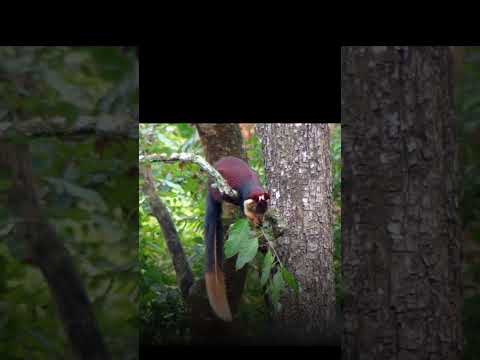
Squirrels come in all shapes and sizes, with big differences in how they look, act, and where they set up home. There are tree, ground, and flying types, and each has its own way of building nests and raising young.
Differences Among Tree, Ground, and Flying Squirrels
Tree squirrels, like Sciurus carolinensis, have long tails and strong back legs for leaping between branches. They’re great climbers and eat mostly nuts, seeds, and fruit.
You’ll find them in city parks as well as forests. Ground squirrels, prairie dogs, and marmots stick to the ground.
They dig burrows and have chunkier bodies. Prairie dogs form big colonies with tunnels and warning calls.
Marmots hibernate in winter and spend the summer bulking up. Flying squirrels use their patagium to glide.
They’re mostly nocturnal, with big eyes for seeing in the dark. Flying squirrels and chipmunks both store food, but chipmunks stuff their cheeks and hide food in shallow burrows.
Here’s a quick breakdown:
- Tree squirrels: live in trees, make dreys, active during the day.
- Ground squirrels, prairie dogs, marmots: burrowers, live alone or in colonies, some hibernate.
- Flying squirrels: glide, active at night, nest in tree cavities.
Habitat Choices and Nesting (Dreys and Burrows)
You’ll spot tree squirrels in forests or city neighborhoods with big, old trees. They build dreys—those messy-looking nests of leaves and twigs—in forked branches, or sometimes use tree hollows.
Dreys keep them dry and warm. Ground species pick open grasslands, meadows, or forest edges.
Prairie dogs dig huge tunnel systems with special rooms for sleeping and raising pups. Marmots dig even deeper burrows for hibernation, which helps them stay at the right temperature.
Flying squirrels like hollow trees or nest boxes, making cozy nests lined with bark or fur. Chipmunks use shallow burrows with several entrances and stash rooms for food.
If you see a squirrel near a house, it might be nesting in the attic or under the eaves.
Reproduction and Life Cycle
Squirrel reproduction really depends on the species. Tree squirrels, like Sciurus carolinensis, usually breed twice a year. Gestation takes about 38 to 45 days.
A mother squirrel might have anywhere from two to eight babies in a litter. She nurses her kits and keeps them tucked away in dreys or tree cavities until they’re strong enough to climb.
Ground squirrels and prairie dogs stick to one breeding season each year. After a few weeks, prairie dog pups pop out of the burrows and start learning social calls.
Marmots have a similar gestation period, but they time it so their young can grow before hibernation kicks in.
Flying squirrels breed once or sometimes twice, depending on how much food is around. The gestation period and how moms care for their young can change from species to species, but all the babies rely on their mother’s milk and protection at first.
Squirrel populations can shoot up or crash fast depending on food, predators, or disease. Timing their reproduction just right really makes a difference for survival.


