
When choosing a dog, you might prioritize intelligence. Many owners find that smart dogs are not only easier to train but also form closer bonds with their families. The ten smartest dog breeds can learn commands quickly and excel in various tasks, from herding to agility contests.

Understanding canine intelligence can help you decide which breed suits your lifestyle. For example, breeds like the Border Collie and the Poodle are known for their exceptional trainability and problem-solving skills. Smart dogs can also make great companions, keeping you engaged with their playful and eager-to-please nature.
Whether you’re looking for a working dog or simply a loyal friend, knowing which breeds rank as the smartest can guide your choice. Read on to discover more about these remarkable dog breeds and their unique traits.
Understanding Dog Intelligence
Dog intelligence is fascinating and is divided into different types that reflect a dog’s abilities. These types include instinctive, adaptive, and working intelligence. Each type plays a role in how dogs interact with their environment and learn from it.
Types of Canine Intelligence
-
Instinctive Intelligence: This refers to what a dog was bred to do. For example, herding dogs excel at managing livestock due to their natural instincts.
-
Adaptive Intelligence: This is about how well a dog can learn from its surroundings and experiences. It shows how dogs solve problems and adapt to new challenges.
-
Working Intelligence: This indicates how well a dog can be trained to follow commands. According to Dr. Stanley Coren, breeds like Border Collies and Poodles rank high in this type of intelligence.
Understanding these types helps you appreciate your dog’s unique abilities and how they learn best.
Measuring Intelligence in Dogs
Measuring a dog’s intelligence involves several methods. One common approach is assessing their problem-solving ability. You might notice how quickly your dog learns new commands or tricks.
Dr. Coren suggests looking at how many repetitions a dog needs to understand a command. For example, highly intelligent breeds may learn in fewer than five tries.
Other factors include a dog’s response time to commands and their ability to follow cues. Testing your dog’s skills can be a fun way to engage and bond with them while discovering their unique intelligence.
By focusing on these elements, you can better understand your dog’s cognitive abilities and how to train them effectively.
Top 10 Smartest Dog Breeds

When it comes to finding the smartest dog breeds, there are several top contenders. These dogs not only excel in learning new commands quickly but also show strong problem-solving skills. Here’s a detailed look at each breed that makes the list of the smartest canines.
Border Collie
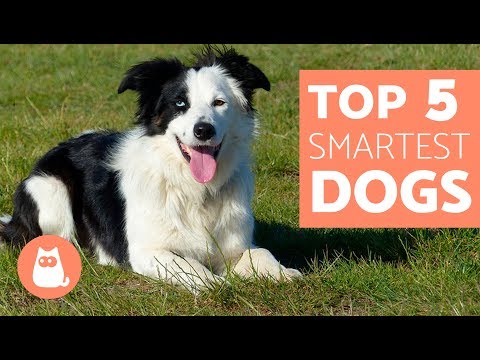
The Border Collie is often recognized as the smartest dog breed. Known for their herding abilities, they can learn new commands in just a few repetitions. Their high energy levels and intelligence make them ideal for various dog sports.
They require regular mental and physical exercise. A bored Border Collie can become destructive, wanting to keep their minds challenged. Their friendly nature also makes them great family pets.
Poodle
Poodles are highly intelligent and come in three sizes: standard, miniature, and toy. This breed is known for its excellent adaptability. Poodles are quick learners and excel in obedience training.
They can learn a variety of tricks and commands. Regular grooming is essential due to their curly coats. Their friendly and playful demeanor makes them great companions.
German Shepherd Dog
German Shepherds are highly intelligent and versatile dogs. They are often used in police and service work due to their ability to learn tasks quickly. Their protective nature makes them excellent family dogs.
They need proper training and socialization from a young age. Regular exercise is also important to keep them healthy and happy. With a German Shepherd, you’ll find a loyal companion.
Golden Retriever
Golden Retrievers are well-known for their friendly and intelligent nature. They excel in obedience and are often used as service dogs. Their eagerness to please makes training enjoyable.
Golden Retrievers require regular exercise and mental stimulation. Whether it’s fetching a ball or learning a new trick, they thrive on interaction. This breed makes a superb family dog with a warm personality.
Doberman Pinscher
Doberman Pinschers are known for their loyalty and intelligence. They are often used as guard dogs and in police work. Their alertness and ability to learn quickly make them exceptional companions.
Training should start early to develop good behavior. Regular exercise keeps them physically fit and mentally stimulated. With the right training, Dobermans can be both protective and loving.
Shetland Sheepdog
The Shetland Sheepdog, or Sheltie, is known for their intelligence and agility. They are great at herding and make excellent family pets. Shelties can often learn a new command in just a few repetitions.
Their gentle and playful nature makes them wonderful companions for children. Regular grooming is needed due to their long fur. They are also active dogs that enjoy playtime and walks.
Labrador Retriever
Labrador Retrievers are friendly, intelligent, and eager to please. They are among the most popular dog breeds in the world. Labs excel in obedience training and are often used as therapy or service dogs.
Their playful energy keeps them young at heart. They require regular exercise to stay healthy and happy. With a Lab, you get a loyal companion who thrives on love and attention.
Papillon
The Papillon is a small dog with a big personality. Despite their size, they are one of the smartest breeds. Papillons are eager learners and often excel in obedience training.
Their friendly nature makes them great family pets. These dogs are also quite energetic and need regular playtime. They are a wonderful choice for those looking for a smart and affectionate companion.
Rottweiler
Rottweilers are known for their strength and intelligence. They are loyal and protective, making them great guard dogs. With proper training and socialization, they can be loving family pets.
These dogs thrive on mental and physical activities. Regular exercise is important to keep them healthy. Rottweilers benefit from consistent training to channel their intelligence effectively.
Australian Cattle Dog
The Australian Cattle Dog is highly intelligent and energetic. Bred for herding, they are quick learners and excel in agility sports. These dogs require plenty of exercise and mental stimulation to stay happy.
Their loyal and protective nature makes them excellent companions. Training helps them become well-rounded pets. With an Australian Cattle Dog, you’ll enjoy a smart and engaging pet that thrives on activity.
Training and Stimulating Smart Dogs

Keeping your smart dog mentally and physically engaged is essential for their happiness and well-being. This means using effective training techniques, providing mental stimulation, and engaging in fun activities or sports.
The Importance of Mental Stimulation
Smart dogs thrive on mental challenges. Without enough stimulation, they can become bored, leading to destructive behaviors. Your dog’s intelligence means they need more than just daily walks.
Try providing puzzle toys or interactive games that require problem-solving. These activities can keep their minds sharp and help alleviate boredom. Mixing in training with these games can also reinforce good behavior.
Don’t forget about socialization. Allowing your dog to meet new people and dogs can stimulate their minds and help them learn proper behavior in different situations. Regular mental activities can lead to a happier and more balanced pup.
Training Techniques for Intelligence
Using positive reinforcement is one of the most effective training techniques. Rewarding your dog with treats and praise when they complete a task encourages them to learn new commands.
Start with simple commands and gradually increase complexity. Obedience training is vital for smart dogs as it establishes a routine. Aim to spend a few minutes each day on training. This not only reinforces learning but also strengthens your bond with your dog.
Consistency is key. Use the same commands and signals, so your dog understands what you want. Patience during training will help your dog grow more confident in their abilities.
Activities and Dog Sports
Engaging your dog in activities and sports can provide great physical and mental exercise. Agility competitions are perfect for energetic breeds. They require them to navigate obstacle courses, enhancing their problem-solving skills.
You might also consider training your dog as a therapy or service dog. These roles challenge them and provide a sense of purpose. Participate in dog sports like flyball, which combines speed and intelligence.
Regular exercises like fetch or tug-of-war can also keep your dog active. As you explore these options, remember that keeping sessions fun and rewarding will further encourage your dog to excel.
Roles and Responsibilities of Intelligent Breeds

Intelligent dog breeds have unique roles that highlight their skills. They serve important functions in society and in the homes of their owners. Understanding these roles can help you appreciate the contributions of these remarkable animals.
Working Roles and Service Dogs
Service dogs are trained to assist individuals with disabilities. These dogs perform tasks such as guiding visually impaired people or alerting those with hearing impairments.
Examples of service dogs include:
- Guide Dogs: Support visually impaired users.
- Hearing Dogs: Alert their owners to sounds.
- Mobility Assistance Dogs: Help people with physical limitations.
Working dogs also include herding dogs, which manage livestock. Breeds like Border Collies and Australian Shepherds excel in herding due to their intelligence and trainability. Their ability to follow commands makes them valuable on farms and ranches.
Guard Dogs and Watchdogs
Guard dogs protect property and people. They are trained to alert owners to potential threats or intruders. Breeds like German Shepherds and Rottweilers are well-known for their guarding abilities.
Key traits of guard dogs:
- Strong Instincts: They can sense danger.
- Bravery: These dogs will confront threats.
- Protective Nature: They offer a sense of security.
Watchdogs, on the other hand, are more about vigilance. They bark to alert you of visitors or unusual activity. Breeds like Beagles and Dachshunds fit into this category. Their keen senses ensure they are always alert to their surroundings.
Therapy and Assistance Dogs
Therapy dogs provide comfort in various settings, such as hospitals and schools. They help to reduce stress and promote healing through companionship. These dogs are friendly and approachable, making them great for interacting with people of all ages.
Assistance dogs play a crucial role for those with emotional or psychological needs. They offer support for conditions like PTSD and anxiety. Breeds like Golden Retrievers and Labradors are popular choices for these roles due to their gentle nature and trainability.
In each of these roles, intelligent breeds demonstrate their value, providing support and enhancing the quality of life for many.


