
You might think another animal is the lion’s worst enemy, but honestly, it’s not that simple. Humans are the biggest threat to lions—habitat loss, hunting, and fewer prey animals have changed the way lions live and hunt. This reality shapes everything about their survival.

Lions also have wild rivals like hyenas, crocodiles, and wild dogs. These animals challenge lions for food and territory, and that competition changes how lions act. Let’s break down the main threats and some surprising enemies so you can see what really matters for a lion’s survival.
Biggest Threats to Lions: Their Worst Enemies
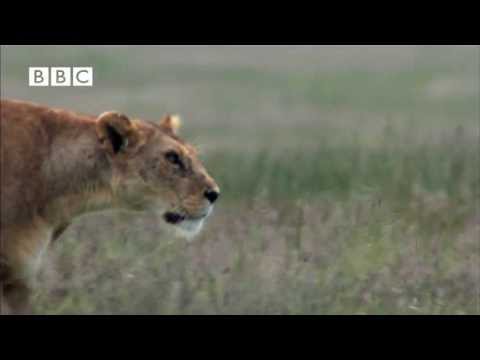
It’s important to know which threats have the worst impact on lion numbers. These dangers matter for your safety, for local people, and for anyone working in conservation.
People, rival predators, and water hazards all play a part. Lions deal with food theft, fights, and risky watering holes every day.
The Role of Humans in Lion Decline
People drive the biggest losses in lion populations. Habitat loss, direct killing, and illegal trade all take a toll.
Farmers sometimes kill lions after livestock attacks. Poisoning and snaring meant to protect herds can wipe out whole prides.
Farms and roads keep expanding, shrinking lion territory and splitting up populations. This makes inbreeding and disease more likely.
You can actually help. Support anti-poaching patrols or community programs that pay locals to protect wildlife. Protected areas do help, but many lions live outside parks where conflict with people is worse.
Laws exist against illegal trade in bones and parts, but honestly, enforcement often falls short. Your choices—donating, supporting smart land use, or backing community conservation—really can affect whether lions survive.
Spotted Hyenas and Lion Rivalry
Spotted hyenas compete hard with lions for food. They’ll steal kills and sometimes even snatch cubs if they get the chance.
Hyenas hunt in packs and use their numbers to push lions off a carcass. Lions don’t just let that happen—they fight back, and these battles can get rough. Lone lions or small groups face the most danger.
Hyenas scavenge more than most predators. When prey gets scarce, they press deeper into lion territory.
This rivalry shapes pride size and hunting success. Rangers keep an eye on hyena-lion hotspots to cut down on violent encounters and keep cubs safer.
Crocodiles: Danger at the Water’s Edge
Crocodiles are a real hazard when lions head to rivers or lakes. Big Nile crocodiles have ambushed and killed adult lions, especially when the lions are thirsty after a hunt or during drought.
Young or weak lions are at the highest risk at these watering holes. Sometimes, lions hunt near water and just misjudge how fast a crocodile can strike.
Park managers mark dangerous crossing points and tell people to stay back from water’s edge, especially at dawn and dusk. You can help by supporting efforts to keep water sources safe and by following park rules if you’re ever out where lions and crocs share the shore.
Other Competitors and Unique Adversaries

Lions face rivals that steal food, attack cubs, or compete for space. Some of these animals pose real danger, and their actions can tip the balance in a lion’s life.
African Wild Dogs: Clever Opponents
African wild dogs hunt in tight packs, usually 6–20 strong. They chase prey with crazy endurance and use smart flanking moves.
When wild dogs and lions cross paths, dogs usually don’t risk a fight. Instead, they try to steal kills by wearing lions down or using numbers to pressure a feeding party.
Wild dogs can kill lion cubs left alone, and they’ll push lions off a carcass if prey is scarce. They rarely kill healthy adult lions, though.
Their teamwork and relentless pursuit make them one of the most effective non-human competitors for food in the savanna.
Leopards, Cheetahs, and Lion Cub Predators
Leopards and cheetahs don’t threaten adult lions, but they’re a real risk for lion cubs. Leopards work alone and drag kills up trees to keep them safe, but if they find unattended lion cubs near the edge of a pride’s territory, they’ll take them.
Cheetahs steer clear of lions because lions steal their kills and sometimes kill cheetahs if they tangle. Cheetah mothers keep moving their cubs to avoid trouble.
Protecting cubs shapes a lot of lion behavior. Prides guard dens, move their young, and pick den sites where leopards or hyenas can’t get in easily.
Intraspecies Threats: When Lions Fight Lions
Other lions actually pose the deadliest threat to individual lions. Male coalitions try to take over prides and often kill cubs to bring females back into heat.
Territorial fights between coalitions can leave several adults dead or missing. Male rivals roar, scent-mark, and patrol before fighting.
Younger males face the highest risk, but females sometimes fight over territory or food too. These conflicts hit hardest during drought when prey is scarce.
All these battles and rivalries directly affect pride survival and the future of lions in the wild.
Unlikely Rivals: Bears, Buffalo, and Beyond
Crocodiles and Cape buffalo often threaten lions during hunts or water crossings. Crocodiles wait at river edges and ambush lions, while big buffalo can gore or trample a lion going after a calf.
You might wonder about bears. Honestly, bears and lions almost never cross paths in the wild.
A big brown bear could probably overpower a lone lion, but these animals live in different places, so they just don’t meet.
Other surprises? Spotted hyenas sometimes give lions trouble, and even packs of jackals can use numbers and clever tactics to harass them.
When you look at these interactions, it’s clear the “king of the jungle” isn’t invincible—clever packs, huge herbivores, and rival lions all pose real risks.


