
Getting bitten by a squirrel can catch you off guard. Most of the time, these bites aren’t life-threatening, and you can handle them at home if you move fast.
Clean up the wound, stop the bleeding, and keep an eye out for infection or weird animal behavior—get medical help if the wound’s deep, keeps bleeding, or the squirrel seemed sick.

Let’s talk about what a squirrel bite actually looks like, what kind of infections you might run into, and some simple first aid to cut down your risk.
You’ll also see what to watch for, when it’s time to call a doctor, and how to keep yourself (and your pets) safer.
What Happens If a Squirrel Bites You?
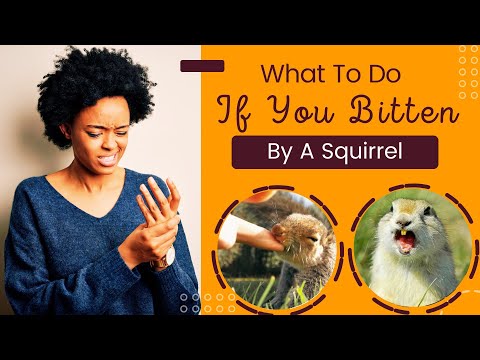
A squirrel bite might leave a small puncture or, sometimes, a deeper tear. Clean it right away.
Watch for more pain, redness, fever, or any odd animal behavior that could mean extra risk.
Are Squirrel Bites Dangerous
Most of the time, squirrel bites aren’t deadly. The real risk is a bacterial infection from the animal’s mouth.
If you clean a shallow wound right away with soap and water, you probably won’t have any serious problems.
Go see a doctor if the bite’s deep, keeps bleeding, or you notice spreading redness, warmth, pus, fever, or swollen lymph nodes. Doctors might give antibiotics, a tetanus shot, or sometimes rabies treatment depending on what the animal did and local health advice.
For more details, check out this guide on squirrel bite risks and treatment.
What Does a Squirrel Bite Look Like
You’ll usually see one or two tiny puncture marks from the squirrel’s teeth. Sometimes there’s bleeding, a little bruising, or small tears if the animal bit and pulled.
People often get bitten on the hands or fingers, usually when trying to feed or touch a squirrel.
If the bite’s deep, it can cut the skin and might even need stitches. Swelling or a nasty smell means infection could be starting.
Puncture wounds on the hands can hide infection between tendons and heal badly, so don’t wait too long to get care.
Do Squirrels Bite Humans
Squirrels do sometimes bite people, but it doesn’t happen often. Most bites happen when someone tries to hand-feed a squirrel, corners an animal, or stumbles on a nest with babies.
Squirrels are wild and will defend themselves if they feel trapped.
You can avoid bites by not feeding or touching squirrels, steering clear of nests, and keeping your distance. If a squirrel that bites you acts strange—aggressive, confused, or drooling—let animal control know, since it could be sick.
Why Do Squirrels Bite
Squirrels mostly bite to protect themselves or their babies. If they feel trapped or can’t escape, they’ll bite to get away.
You raise your odds of getting bitten if you approach a nest, pick up a baby, or block a squirrel’s path.
Sometimes, squirrels bite by accident when you feed them by hand. Their close-up vision isn’t great, so your finger might look like a nut.
To avoid this, put food on the ground or in a feeder instead of using your hand.
First Aid and When to Seek Care

Move fast: wash the wound, stop the bleeding, and cover it up. Watch for redness, swelling, or pus.
Get medical help if the bite’s deep, gaping, or from a wild animal.
Clean the Wound
Hold the bite under running water for at least five minutes. Use mild soap and let the water rinse away dirt and saliva.
Pat it dry with a clean towel, but don’t scrub hard.
Put on an antiseptic like povidone-iodine or hydrogen peroxide just once, then cover with a sterile dressing. Change the bandage every day or if it gets wet.
If bleeding won’t stop after 10–15 minutes of firm pressure, go to emergency care.
If you’re handling the wound, don’t touch the inside of the dressing. Wash your hands before and after.
Signs of Infection
Watch for more pain, spreading redness, or red streaks moving away from the bite. Swelling, warmth, or a fever over 100.4°F (38°C) can also mean infection.
If the wound smells bad or oozes pus, that’s a big red flag.
Keep an eye on things for the next day or two. If you spot any of these signs, get in touch with a healthcare provider quickly.
Catching infection early makes it easier to treat.
Seek Medical Attention
Head to urgent care or the ER if the bite’s deep, won’t stop bleeding, or you can see tendon or bone. Get help if the squirrel was acting weird (aggressive, confused) or you don’t know if the animal was healthy.
Tell the doctor when you got bitten and if your tetanus shots are up to date.
The doctor might give you a tetanus booster, prescribe antibiotics, or start rabies treatment if needed. They’ll only recommend stitches after infection risk goes down.
If public health needs to test the animal, they’ll set it up.
Potential Diseases from Squirrel Bites
When a squirrel bites you, it can introduce bacteria into the wound. The most common risks are Pasteurella and normal skin bacteria, which usually respond well to standard antibiotics.
Sometimes, though not often, diseases like leptospirosis or tularemia can show up after a bite. If your doctor suspects either, they’ll order specific tests and start targeted treatment.
Rabies? That’s rare in squirrels. But if the animal acted strangely, your doctor might recommend rabies shots just to be safe.
Squirrels don’t usually carry Lyme disease—ticks are the real culprits there. Still, if you noticed any ticks during your run-in, let your provider know.
Share every detail with your clinician. That way, they can figure out the right tests or medicines for you.
If you want more info on wound care or when to see a doctor, check out the Mayo Clinic’s advice on first aid for animal bites.


