
If a chimp smiles at you, it’s probably not what you think. Chimps don’t smile to show happiness or friendliness like we do.
When a chimp bares its teeth, it’s usually showing fear, stress, or submission—not joy. Knowing this can help you avoid misreading their emotions.

Chimps use these toothy “grins” as part of their complicated social communication. Sometimes, they’re saying, “I don’t want trouble.”
Other times, it’s a sign of anxiety or a way to keep the peace in their group.
If you ever end up near a chimp, understanding what their smile really means might keep you safer. Their expressions can be surprisingly different from ours.
What Does It Mean If a Chimp Smiles at You?
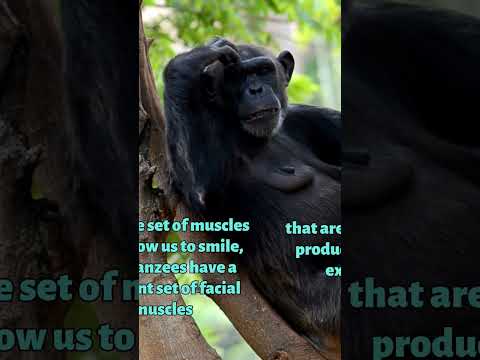
When a chimpanzee shows its teeth, it’s not the same as a human smile. You have to watch the chimp’s body language and the situation to really get what’s going on.
Chimps use their faces to send specific social messages, not to show happiness in the way we do.
Differences Between Human and Chimpanzee Smiles
We usually smile to show happiness or friendliness. When you smile, you lift the corners of your mouth and show your teeth to say, “I’m happy.”
But chimps use facial expressions differently.
A chimp showing its teeth probably isn’t happy. It might feel scared, nervous, or just want to avoid a fight.
Unlike our warm, friendly smiles, a chimp’s toothy display is more about warning or submission.
So, don’t assume a chimp’s teeth display means it’s being friendly. It’s just a different kind of communication.
Chimpanzee Fear Grimace Versus Smile
You might notice a chimp baring both top and bottom teeth with lips pulled back. That’s called a fear grimace.
It looks a bit like a smile, but it actually means the chimp feels nervous or scared.
The fear grimace tells others the chimp doesn’t want trouble and might be submitting to a stronger chimp. Their body could look tense, and they might avoid eye contact.
A real playful expression, sometimes called a “play face,” looks more relaxed. The chimp shows mostly bottom teeth, with lips covering the top.
That’s a sign they want to play, not fight.
Understanding Social Signals and Nonverbal Cues
Chimps use facial expressions as just one part of how they talk to each other. Teeth showing can mean different things depending on how a chimp moves or sounds.
If a chimp stands stiff and bares its teeth fully, it might be warning others to back off. That can mean aggression.
But if it looks tense and nervous, the same teeth display usually means fear or respect for others.
Other clues—like body posture, sounds, and who’s nearby—help you figure out what a chimp’s teeth baring really means.
Context Matters: How to Interpret a Chimpanzee’s Smile
You really can’t figure out a chimp’s smile just by looking at its face. You have to notice what’s happening around it.
If the chimp’s body is relaxed and it’s making playful noises, showing teeth might mean it’s having fun. But if it’s tense or facing another chimp, the teeth showing usually means stress or fear.
Also, pay attention to how close you are and what you’re doing. Moving slowly and not staring shows respect.
This helps the chimp feel safer and gives you a better chance to read its signals right.
For more details, you can check out what it means when a chimpanzee smiles at you.
How to Respond and Interact Safely with Smiling Chimps

When you spot a chimp smiling, try to stay calm and really watch their behavior. Knowing how to approach and respond can help keep things less stressful for both you and the chimp.
Learning the right moves and seeing how experts handle chimps makes your interaction safer and more respectful.
Approaching Chimpanzees and Other Apes Safely
Move slowly and quietly when you get close to chimps, gorillas, or bonobos. Sudden movements can scare them or make them feel threatened.
Keep a safe distance—don’t crowd them or try to touch.
Avoid staring straight into their eyes. In apes, direct eye contact often comes across as a challenge or threat.
Instead, look around a bit and keep your body relaxed.
If a chimp lip-smacks, yawns, or makes nervous sounds, give it more space. Let the chimp decide if it wants to come closer.
This calm and patient approach helps you avoid aggressive reactions.
Avoiding Misinterpretation of Human Gestures
Your friendly gestures might confuse chimps. Smiling or showing your teeth can look like a threat or fear to them.
Don’t bare your teeth. Use a soft, neutral expression with your mouth closed to keep things calm.
Slow, gentle hand movements are better than quick waves.
You could try mimicking a chimp’s relaxed play face, which shows openness without exposing teeth. Turning your body sideways instead of facing them straight on can help lower tension.
Remember, what feels friendly to us might come off as aggressive to monkeys and apes. Be patient and stick to calm, quiet actions.
Role of Primatologists and Caregivers in Encounters
Primatologists and caregivers spend years learning to read ape body language and vocalizations. They can usually tell if a smile means fear or play, which is honestly trickier than it sounds.
When they work around chimps or bonobos, they hide their teeth and steer clear of anything that might look like a challenge. They move slowly, and their voices stay soft—nobody wants to spook an ape.
These folks keep an eye out for stress signs, like grunts or hoots, and they’ll back off if things seem tense. Their careful approach really shows others how to interact with apes without causing trouble.
If you follow their lead, you’ll probably earn some trust and avoid misunderstandings. It’s not just about safety—it’s about respect, too.


