
When dogs and foxes cross paths, it can be a curious sight. You might wonder what happens in these meetings between two members of the Canidae family. Often, dogs may show natural curiosity or excitement, while foxes might be more cautious or shy.
Their interactions can reveal a lot about their behavior and instincts as wild and domestic canines.

Understanding these encounters can help you appreciate the bond that exists within the canine family. Domestic dogs, with their playful attitudes, might try to engage a fox in games, while foxes may retreat as they assess the situation. The relationship between these two canids is interesting, as it reflects their different lifestyles and adaptations.
As you explore this topic further, you’ll discover how these interactions can highlight important details about dog behavior and the wild instincts of foxes. The dynamics of these meetings can tell you much about nature and the diverse world of canines.
Genetic Makeup and Species Classification
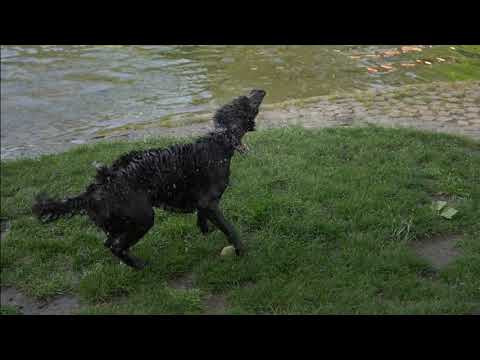
Understanding the genetic makeup and species classification of dogs and foxes can help you grasp their differences and similarities. These factors show how closely related they are in the animal kingdom and why they behave in distinct ways.
Chromosomal Differences
Dogs and foxes belong to different species, which is clear from their chromosomal differences. Dogs have a total of 78 chromosomes, while foxes, specifically the Pampas fox, have 76 chromosomes.
This difference in chromosome number can lead to genetic incompatibility when it comes to reproduction. The variations in chromosomes impact how genes are expressed, contributing to unique physical traits and behaviors.
For instance, dogs have been domesticated to be more social, while foxes have evolved to be more solitary. Understanding these differences can give you a better idea of how these two animals interact in the wild.
Canis and Vulpes Genera
Dogs are classified under the genus Canis, which includes wolves and other canids. Foxes, on the other hand, are part of the genus Vulpes. This classification shows their evolutionary paths diverged some time ago.
The distinct genetic traits in these two genera reveal why dogs tend to live in packs while foxes prefer a more independent lifestyle. Each genus has adapted differently to their environments, leading to the traits you see today. This classification system is vital in understanding the animals’ roles in ecosystems.
Genetic Analysis and Studies
Scientists use genetic analysis to study the relationships between dogs and foxes. Researchers often conduct genetic testing to explore the similarities and differences in mitochondrial DNA and nuclear DNA.
This helps reveal how closely related different canid species are. Studies have shown that although dogs and foxes can show some similarities in their DNA, significant genetic differences exist.
These variations often influence their behavior, diet, and social structures. By using genetic tools, geneticists can dive deeper into understanding these canids and their unique adaptations.
Interactions and Behavior

When dogs and foxes meet, their behaviors can vary greatly. Understanding these interactions reveals how social behavior, territorial instincts, and even hybridization play a role in their encounters.
Canine Social Behavior
Dogs are known for their sociable nature. They thrive on connections with humans and other animals. However, when encountering a fox, their behavior may change.
Foxes are typically more cautious and can see dogs as potential threats. Your dog might bark, approach, or even try to chase the fox. It’s important to supervise your dog during these encounters to ensure they don’t stress the fox or engage in dangerous behavior.
Territorial Responses in Encounters
Both dogs and foxes are territorial animals. When they meet, each may react defensively. Foxes, especially mothers with young kits, can be protective of their territory.
If a fox feels threatened by a dog, it may display aggressive behavior like growling or showing teeth. Conversely, your dog might respond with barking or even aggression. Keeping your dog leashed in areas where foxes are present can prevent unwanted confrontations.
Hybridization and Interbreeding
Hybridization occurs when two different species mate and produce offspring. This can happen between dogs and foxes, resulting in a dog-fox hybrid, also known as a dogxim.
These hybrids can inherit traits from both parents, displaying a mix of behaviors and physical features. Such interbreeding can raise concerns about the stability of wild canid populations.
While hybridization is rare, the existence of these hybrids has implications for both species and can influence their social dynamics in the wild.
Conservation and Biodiversity

The interaction between dogs and foxes plays a role in conservation and biodiversity. Both species impact their ecosystems in different ways, and understanding these dynamics is essential for promoting healthy habitats.
Canids in the Ecosystem
Canids, including dogs and foxes, are important in maintaining the balance of ecosystems. Foxes, like the red fox, can help control small mammal populations that could otherwise overpopulate and destroy vegetation.
By keeping these populations in check, foxes contribute to a diverse habitat that supports many species. In areas like Brazil, the maned wolf is an example of a canid that is essential for its ecosystem.
This species consumes fruits and small vertebrates, contributing to seed dispersal and the health of natural habitats.
Wildlife Conservation Efforts
Conservation programs aim to protect wild canids and their habitats from threats like habitat loss and hunting. Organizations often focus on maintaining biodiversity and ensuring that endangered species, such as the maned wolf, receive the necessary protections.
Efforts include habitat restoration and creating protected areas where wildlife can thrive. For instance, partnerships with universities, like the Federal University of Rio Grande do Sul, work on research projects that enhance conservation strategies.
These initiatives help preserve the delicate balance of ecosystems and protect the unique wildlife that inhabits them.
Impact of Domestic Animals on Wild Breeds
Domestic dogs can significantly affect wild canid populations, including foxes. When dogs roam freely in natural areas, they can compete for food and space. This competition may lead to health issues for wildlife, as they may struggle to find enough resources.
Moreover, domestic dogs can transmit diseases to wild foxes, further threatening their populations.
We must manage domestic animal populations to minimize these impacts. Encouraging responsible pet ownership and keeping dogs leashed in wildlife areas can help protect local biodiversity.
It’s important to ensure that both domestic and wild species can coexist peacefully while supporting conservation goals.


