
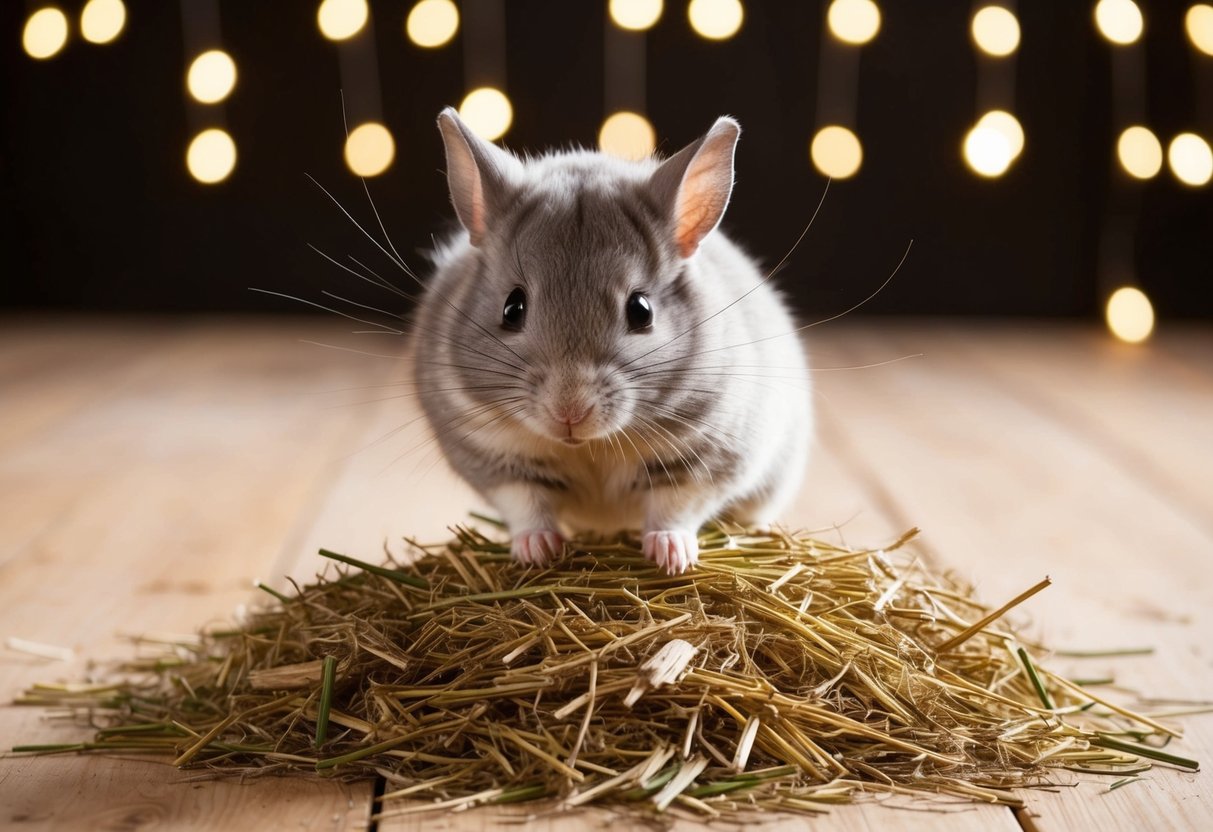
If you own a chinchilla, you might worry about what happens if your pet takes a tumble. Chinchillas are active little creatures that love to jump and climb, but falls can be risky. Older or unhealthy chinchillas are especially at risk of serious injuries, such as broken bones or internal damage.
Understanding how to protect your chinchilla is crucial. Knowing the signs of injury can help you act quickly if something goes wrong. This blog post will explore what you should look for if your chinchilla falls and how to create a safe environment for your furry friend.
By learning more about chinchilla care and safety, you can enjoy a happier and healthier life for your pet. Let’s dive into what you need to know!
Understanding Chinchilla Behavior and Physiology
Chinchillas have unique traits that influence their behavior and health. Knowing these characteristics helps you care for your pet better. You should also be aware of common health issues that may affect their well-being.
Unique Physical Characteristics
Chinchillas are known for their soft and dense fur, which helps them keep warm in their native habitat. Each chinchilla has about 60 hairs per follicle, making their fur one of the thickest among land mammals. This trait requires careful grooming to prevent skin issues.
Their large ears are designed for excellent hearing, helping them detect predators in the wild. You may notice that your chinchilla is very sensitive to sounds and movements, contributing to their naturally cautious behavior.
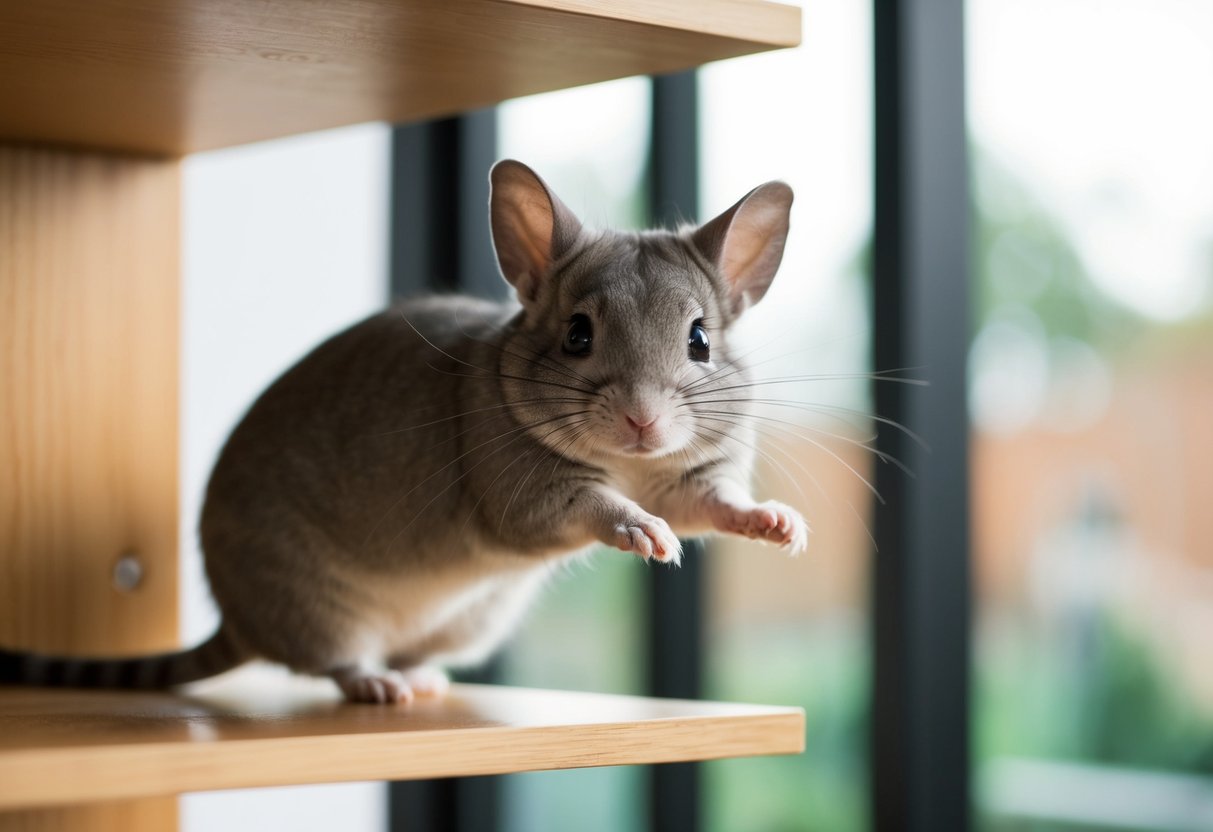
Chinchillas also have strong back legs for jumping and climbing. This ability allows them to explore their surroundings, which is crucial for their mental health and happiness. Providing climbing structures in their cage is important for their physical activity.
Common Health Issues in Chinchillas
Taking care of your chinchilla means being aware of potential health problems. One common issue is malocclusion, where their teeth do not wear down properly, leading to overgrown teeth. This can cause pain and difficulty eating, so regular check-ups with a vet can help.
Chinchillas can also suffer from dental issues that stem from improper diet. Ensure they have access to hay and chew toys to maintain healthy teeth.
Another health concern is ringworm, a fungal infection that can affect their fur and skin. If you notice any bald patches or sores on your chinchilla, consult your vet promptly. Keeping their environment clean helps prevent ringworm and other ailments.
Monitoring these aspects of your pet’s life will keep them happy and healthy.
When Accidents Happen

Accidents can occur when your chinchilla takes a tumble. It’s important to know how to react and assess any injuries promptly. Quick action can make a big difference in your pet’s recovery and well-being.
First Response to a Fall
If your chinchilla falls, stay calm. Your first step is to safely remove any obstacles around it. This gives your pet space to move without further risk.
Next, observe its behavior. Is your chinchilla alert? Is it moving normally?
Look for signs of distress, like excessive shaking or difficulty walking. If your chinchilla appears injured or isn’t acting like itself, don’t hesitate to contact a vet. They can provide advice over the phone or guide you to bring your chinchilla for an examination.
In severe cases, your chinchilla might have broken bones, which require immediate veterinary care. Make sure to handle your pet gently to avoid causing more pain during transport.
Assessing Injury in Chinchillas
Assessing your chinchilla’s condition can be critical. Start by checking for visible injuries, like swelling or bleeding. Pay close attention to its legs and tail, as these areas are vulnerable during falls.
Monitor its movements. If your chinchilla is limping or avoiding certain motions, this could indicate a broken bone.
Additionally, watch for signs of heatstroke, especially in warmer environments after a fall. Keep your chinchilla in a cool area while you seek veterinary advice.
Make a list of any symptoms you observe to share with your vet. This information can help them diagnose your chinchilla’s condition more effectively. Always prioritize getting professional help if you suspect anything serious.
Preventing Falls and Injuries

To keep your chinchilla safe, it’s important to create a nurturing space that limits risks. You should also be proactive in monitoring their health to catch any potential issues early.
Creating a Safe Environment
Start by ensuring your chinchilla’s play area is free from hazards. Remove sharp objects or anything that could tip over.
Use soft bedding materials in their cage. This helps cushion any falls they might have.
Consider adding ramps instead of tall platforms, as these provide safer pathways for jumping and climbing.
While they love to jump, it’s crucial to limit high drops. A height above 2-3 feet can be risky. You can also look into chinchilla-proofing your home to keep them out of unsafe areas.
Regular Health Checks and Vet Visits
Regular health checks are essential for your pet’s well-being. Familiarize yourself with normal behavior and appearance. Changes might indicate health issues.
Check their fur, eyes, and teeth regularly. Dental issues are common in chinchillas, and early detection can prevent larger problems.
Veterinary visits should be scheduled at least once a year. Your vet can provide vaccinations and health assessments.
They can also offer tips on proper diet and care. Keeping your chinchilla healthy reduces the chance of accidents and falls due to illness or weakness.
Chinchillas and Other Pets
Having a chinchilla means considering how they interact with other pets. Understanding their behaviors and preferences can help create a peaceful home environment. Here’s what you need to know about chinchillas alongside dogs, cats, birds, and fish.
Interactions with Larger Pets
Chinchillas can be sensitive and timid. When you have larger pets like dogs and cats, it’s important to supervise all interactions.
- Dogs: Even playful dogs may see a chinchilla as a toy. Keep your chinchilla in a secure cage when your dog is around. Never leave them alone together.
- Cats: Cats, being natural hunters, might be intrigued by a chinchilla. Keep them separated, especially during playtime. A chinchilla could be easily stressed by a curious cat.
If you allow any interactions, make sure they are calm and controlled. Keep your chinchilla’s safety as your top priority.
Chinchillas Compared to Other Pets
Chinchillas are unique compared to common pets like birds and fish. They have specific needs, so owning one is different from having a cat or dog.
- Birds: Birds often need social interaction and space to fly. Meanwhile, chinchillas prefer a different play style. They enjoy hopping and climbing in enclosed areas.
- Fish: Fish are low-maintenance but lack companionship. On the other hand, chinchillas need daily interaction, toys, and mental stimulation.
Each pet has its own charm, so consider their needs before mixing species. Chinchillas thrive with their specific care and living conditions. You can create a happy home by understanding these differences.


