
Finding a dog that will protect your child is an important decision for any family. You want a loyal companion that can keep a watchful eye while also being gentle and friendly with your kids. Breeds like the German Shepherd, Rottweiler, and Labrador Retriever are known for their protective instincts and playful nature with children.
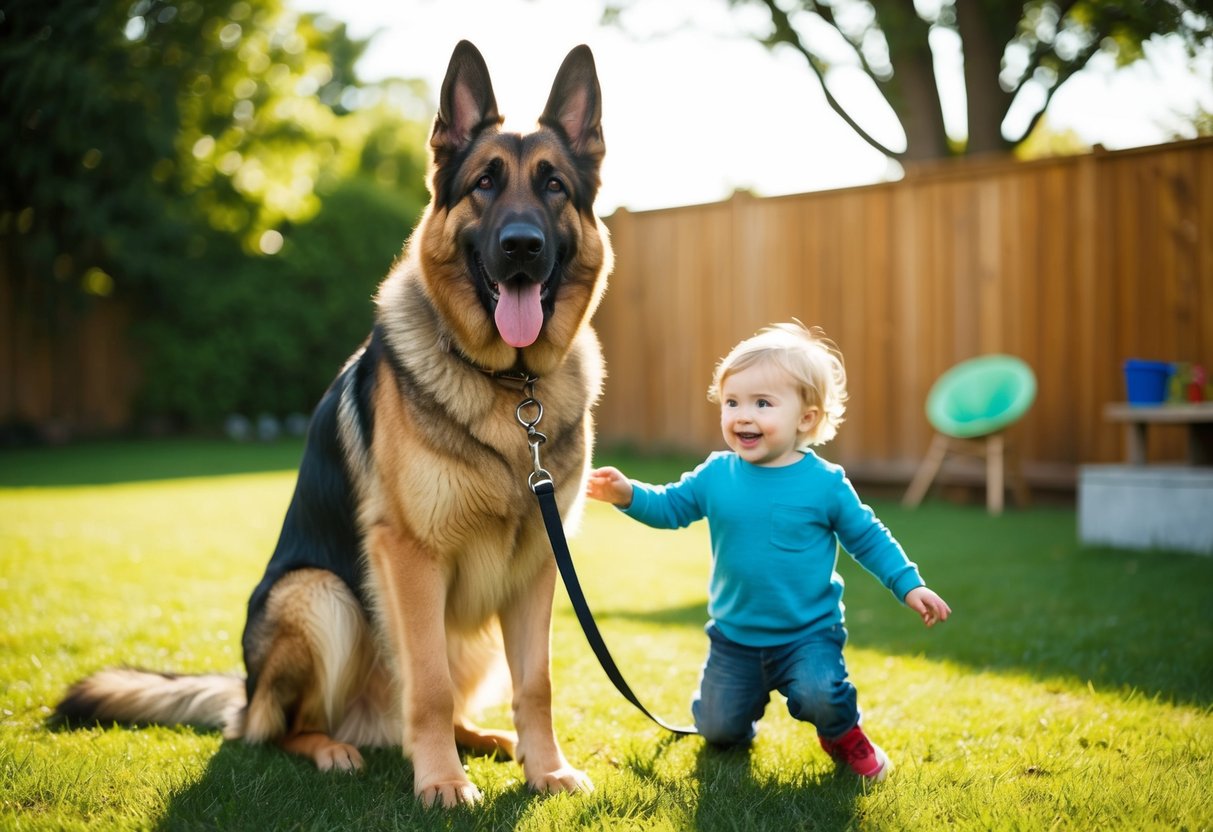
As you consider different breeds, think about your family’s lifestyle and needs. Some dogs are more suitable for families, providing safety and love in equal measure.
Choosing the right dog means finding a balance between protection and a loving temperament that fits well into your home.
With careful research and understanding, you can choose a breed that will not only guard your child but also become a beloved part of your family. Each dog has its own personality, so the right match can offer both security and companionship.
Understanding Guard Dogs and Protection Roles
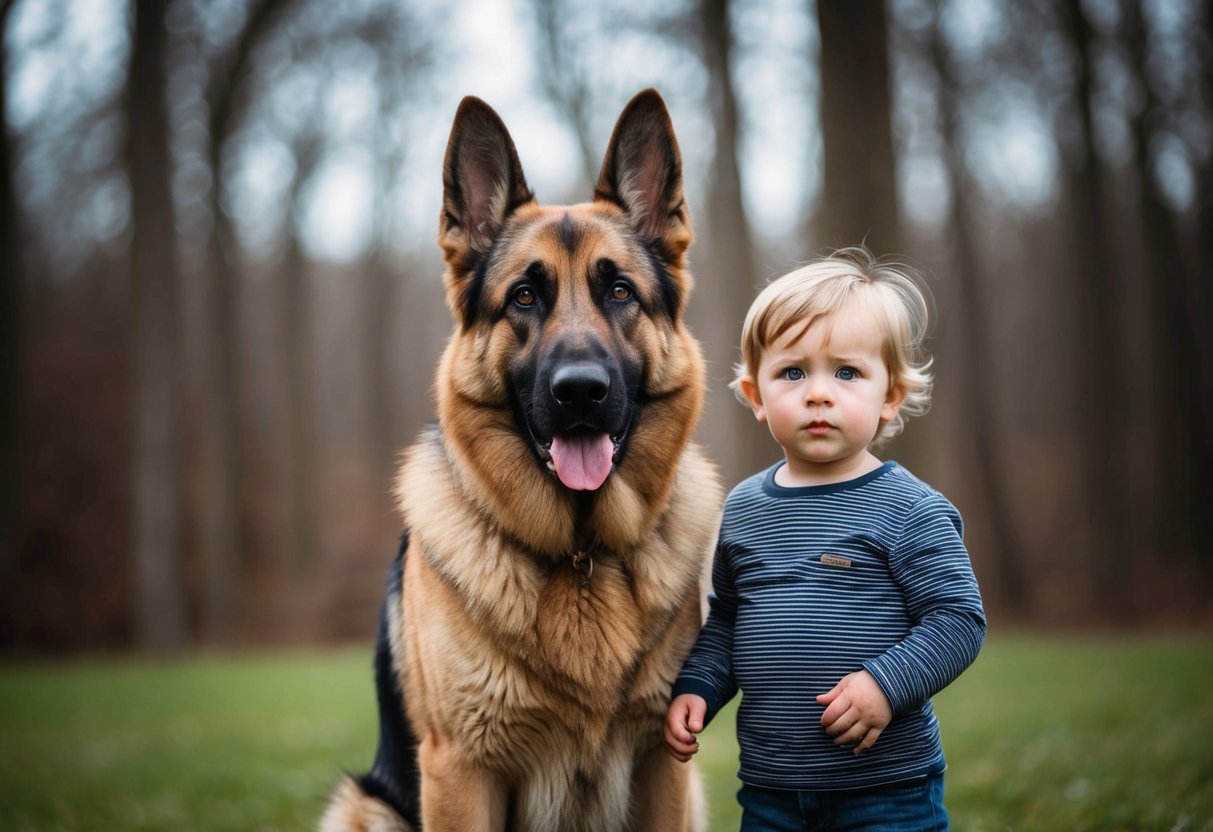
When choosing a dog to protect your child, it’s important to understand what makes a good guard dog. You should focus on specific traits and also distinguish between guard dogs and watchdogs. Knowing these details can help you find the right fit for your family.
Traits of a Good Guard Dog
A good guard dog has several key traits that make them effective and reliable. First, they should be loyal to your family, creating a strong bond with your child. This loyalty often translates into protective behavior.
Additionally, these dogs tend to be intelligent. An intelligent dog can learn commands quickly, making training easier. Their ability to think independently also helps them assess situations.
Protective instinct is another vital trait. Natural guard dogs, such as the German Shepherd or Rottweiler, often possess this instinct. Their instinct pushes them to protect their family from perceived threats.
Finally, a good guard dog should be socialized properly to ensure they are friendly with family and guests while being wary of strangers. This balance helps keep your child safe in various situations.
The Difference Between Guard Dogs and Watchdogs
Understanding the difference between guard dogs and watchdogs is crucial when selecting a protector for your child.
Guard dogs are specifically trained to protect and often have a strong protective instinct. They will confront threats directly, making them suitable for serious protection roles. Breeds like the Rottweiler and Doberman are well-known for being loyal and protective.
Watchdogs, on the other hand, are usually alert and aware of their surroundings. They bark and alert you to potential dangers but do not confront them. Breeds like the Beagle may excel in this role, warning you of unusual activity without being aggressive.
Both types of dogs serve important roles, but understanding their differences will help you choose the right one for your family’s needs.
Selecting the Right Breed for Your Family

Choosing a dog for your family involves more than just picking a cute puppy. You want a breed that will not only protect your child but also fit well into your home and lifestyle. Below are some key factors to consider when selecting the right breed.
Dog Breeds Known for Their Protective Nature
Several dog breeds are recognized for their protective instincts. Some of the best guard dog breeds for families include:
-
German Shepherd: Known for loyalty and intelligence, German Shepherds are often used in police work for their protective nature.
-
Rottweiler: These dogs are strong and confident. With proper training, they become excellent family protectors.
-
Doberman: Dobermans are alert, loyal, and make great family protection dogs. Their speed and strength enhance their guarding abilities.
-
Bullmastiff: Bullmastiffs are gentle giants that are calm but protective. They are great for families with children.
-
Boxer: These dogs are playful and energetic but also protective. They bond well with kids.
Selecting a breed known for its protective nature can offer your family both security and companionship.
Considering the Size and Space Constraints
When choosing a dog, think about the size of your home and your family’s lifestyle. Large breeds like the Great Dane or Saint Bernard need space to move around comfortably.
If you live in a smaller home or apartment, consider medium-sized breeds such as Belgian Malinois or Akita.
It’s also important to ensure your yard is secure. A big dog may need a strong fence to prevent escape. Consider your daily routine, too. Some breeds require more exercise, which is important for their health and happiness.
Temperament and Child-Friendliness
The ideal dog for your family must be friendly with children. Look for breeds with calm and gentle temperaments.
-
Bernese Mountain Dog: These dogs are known for their friendly nature and make great companions for kids.
-
Newfoundland: Known as gentle giants, they are patient and good-natured around children.
-
Collie: Collies are very protective and naturally caring. They form strong bonds with children.
Assessing a dog’s temperament is crucial. Visit breeders or shelters to meet the dogs in person. Pay attention to how they interact with your child during your visit. This can guide you in making the right choice.
Training and Socialization for Family Guard Dogs
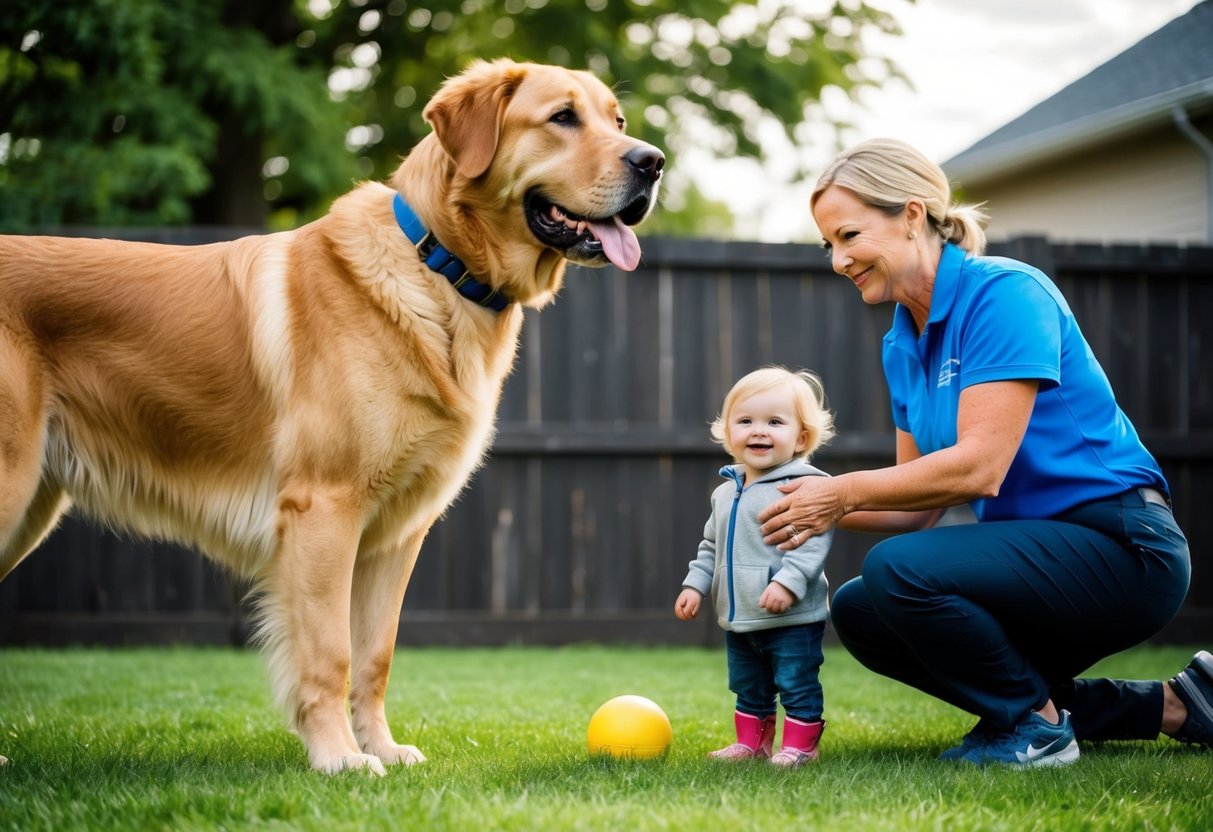
Training and socialization are key to ensuring that your guard dog is both protective and gentle with your child. Proper techniques help create a balanced dog that can safeguard your family without becoming aggressive. Here’s how you can foster the right behavior in your dog.
The Importance of Early Training and Socialization
Starting early is crucial for the success of your dog’s training. Puppies are like sponges; they absorb experiences around them. Exposing them to various sights, sounds, and people helps shape their behavior positively.
For breeds like German Shepherds and Boxers, early socialization makes them well-adjusted companions. Introduce your puppy to children, other animals, and different environments. This helps them learn how to behave and react appropriately.
Regular training sessions should focus on basic commands, reinforcing positive behaviors while offering plenty of praise.
Involving your children in the training process can also strengthen the bond between your dog and your family.
Remember, a confident dog feels less threatened and is more likely to protect without using aggression.
Obedience Training to Control Protective Instincts
Obedience training is essential to maintain control over your dog’s protective instincts. Using commands like “sit,” “stay,” and “come” can be lifesavers in various situations. These commands not only keep your dog in check but also promote safety for your children.
Incorporate fun activities such as dog sports and agility training to keep your dog mentally stimulated. This exercise helps channel their energy positively and can help reduce unwanted behaviors. It also strengthens your bond through shared activities.
Avoid using harsh methods. Always opt for positive reinforcement, such as treats or playtime, to encourage your dog. This approach fosters trust and loyalty, making your dog more reliable as a family protector while remaining gentle and loving with your kids.
Creating a Safe and Positive Environment for Kids and Dogs
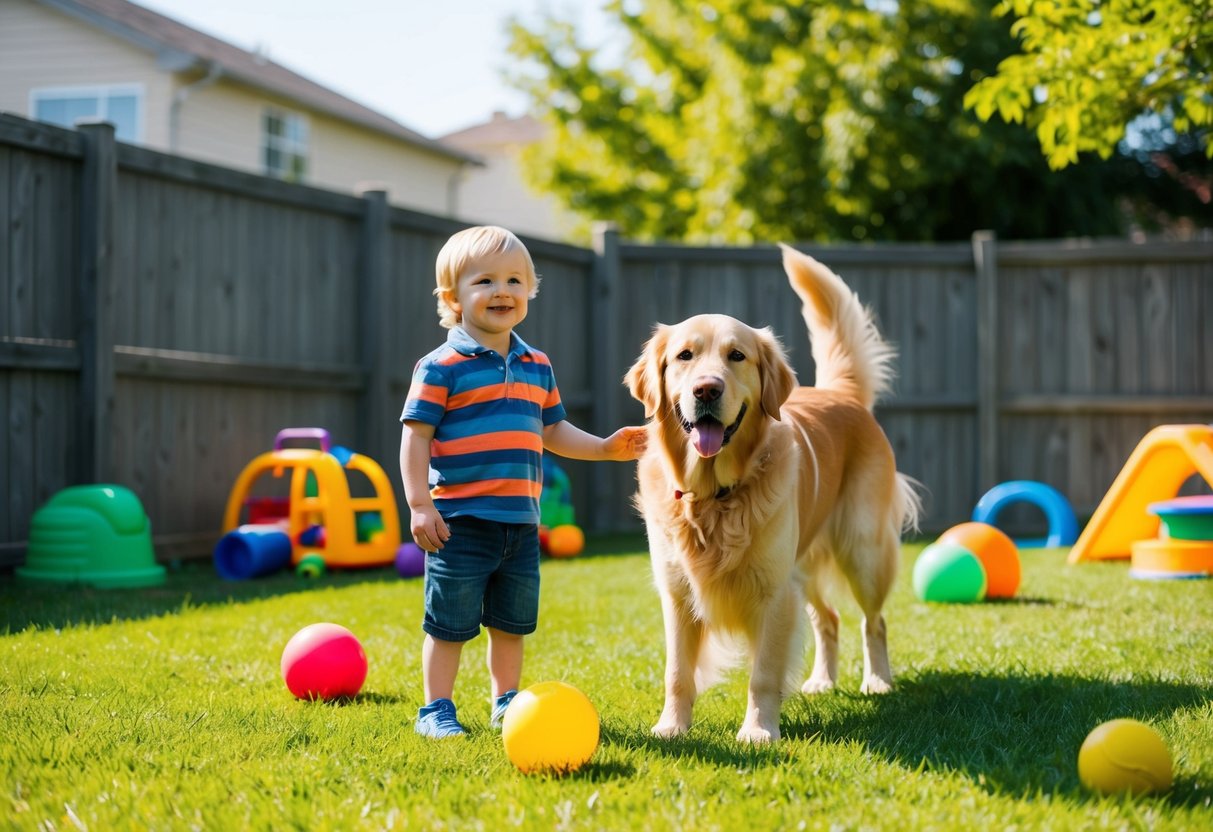
Creating a safe and positive environment for kids and dogs is essential for a happy household. You want your child to feel secure and your dog to feel respected. Fostering a strong bond and implementing safety measures can make all the difference.
Building a Bond Between Your Child and the Dog
A strong relationship between your child and dog is key. Start by introducing them slowly in a calm setting.
Teach your child how to approach the dog gently, using soft voices and slow movements.
Encourage your child to participate in the dog’s care, like feeding or grooming. This helps them learn responsibility and respect.
Choosing an affectionate and loyal breed can also help. Breeds known as “nanny dogs,” like American Bulldogs, are protective and great with children. They often form strong bonds and keep a watchful eye on younger family members.
Safety Measures and Supervision
Supervising kids and dogs is vital. Always keep a watchful eye, especially with new dogs.
Young children can be unpredictable. So, it’s essential to ensure that both the child and the dog feel safe.
Create a “safe space” for your dog where they can retreat when feeling overwhelmed. Teach your child this area is off-limits during these times.
Set clear boundaries on how to interact with your dog. This includes not pulling ears or tails. This ensures a respectful relationship.
Proper training for your dog can promote a peaceful environment. Focus on positive reinforcement, rewarding good behavior.
Implementing these safety measures can lead to beautiful interactions where both your dog and child thrive.


