
If you’re looking for a dog that forms a strong connection with just one person, certain breeds are known for their unique loyalty. These “one-person dogs” create deep bonds with their chosen owner, providing companionship that is both loving and protective. Their loyalty can make them incredibly devoted pets, often prioritizing your needs above all else.
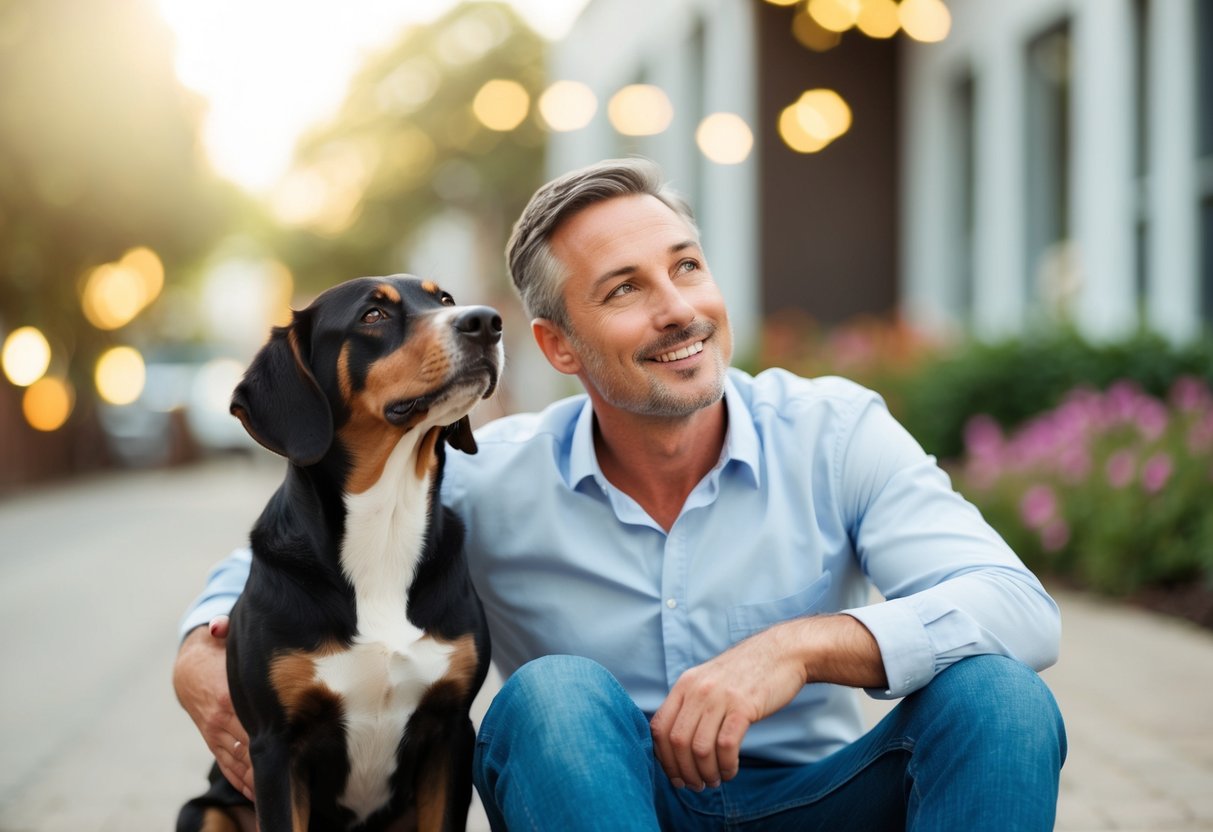
Breeds like the Akita and Chihuahua are famous for their one-on-one loyalty. These dogs thrive on affection and attention from their favorite human, and they can often sense your emotions. This strong connection means you’ll have a reliable friend who is always by your side, ready to share both joyful moments and quiet times.
Understanding which dogs fit this description will help you decide if you want a pet that will be your faithful companion. Let’s explore the wonderful world of dogs that are known for their one-person loyalty and what makes them so special.
Understanding One-Person Dogs

One-person dogs form strong bonds with a single owner. These dogs are known for their loyalty, protective instincts, and the deep emotional connections they create. Understanding their characteristics and the psychology behind these close bonds can help you appreciate these special dogs more.
Definition and Characteristics
One-person dogs are breeds known for their loyalty to just one individual. They tend to form a strong attachment to their owner, often showing a preference for their company over others.
Some common characteristics of these dogs include:
- Deep connection: They thrive on mutual understanding and trust.
- Protective instincts: Many one-person dogs will instinctively protect their owner from perceived threats.
- Affectionate behavior: They often display affection in unique ways, such as cuddling, following you everywhere, or being alert to your needs.
Ackitas and Dachshunds are examples of breeds often labeled as one-person dogs, thanks to their history of working closely with humans.
Psychology Behind Close Bonds
The bond between a one-person dog and their owner often stems from consistent interaction. Dogs are social animals that crave companionship. When you spend quality time with your dog, you help them feel secure.
Your behavior and energy can greatly influence their emotions. If your dog feels loved and safe, they are likely to develop a deep attachment to you.
Additionally, one-person dogs may often display anxiety when separated from their owner. This is due to their loyalty and desire to stay close. It’s essential to provide them with reassurance and love to help manage these feelings.
Building this strong bond can lead to a rewarding relationship that benefits both you and your dog.
Most Common One-Person Dog Breeds
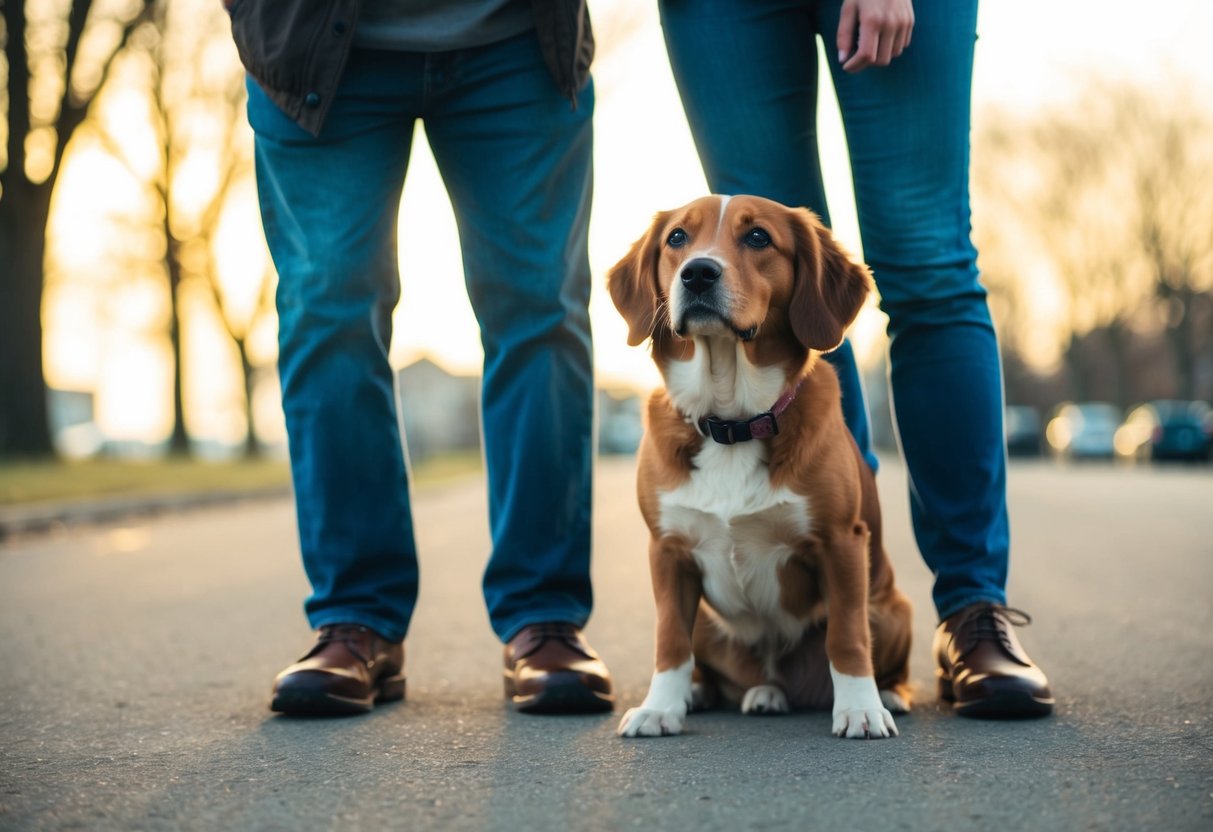
If you’re looking for a loyal companion that tends to bond closely with just one person, certain dog breeds are known for this trait. They form strong emotional connections and often prefer to be around their chosen human. Here are some of the most common one-person dog breeds that might just be the perfect fit for you.
Akita
The Akita is a powerful and noble dog known for its loyalty. This breed is protective and often forms a deep bond with its owner. Akitas are very intelligent but can be stubborn. They need consistent training and socialization from a young age.
If you get an Akita, be ready for a devoted friend. They thrive on companionship and can become quite attached to their owner. However, they may be wary of strangers, so early socialization is key to ensure they are well-rounded.
Chihuahua
Chihuahuas may be small, but their loyalty is huge. These tiny dogs often choose one person to whom they give their full devotion. They are playful, loving, and make great companions for those who enjoy a little dog with a lot of personality.
Due to their size, Chihuahuas are often easy to care for and adapt well to apartment living. They will follow you everywhere, making them excellent little sidekicks. Just ensure they feel secure, as they can be sensitive.
Greyhound
Greyhounds are known for their speed, but they are also affectionate and gentle. They typically form strong attachments to their owner. Unlike what you might think, these dogs are quite lazy at home and love to lounge around.
If you adopt a Greyhound, you’ll enjoy a calm and loving companion. They usually get along well with their owner but may need time to warm up to others. Regular walks are essential to keep them healthy and happy.
Dachshund
Dachshunds are playful and curious dogs that tend to bond closely with their favorite person. With their long bodies and floppy ears, they are quite memorable. They can be independent but also very affectionate, often wanting to be right by your side.
These little dogs are known for their bravery and playful nature. Their loyalty makes them excellent companions. However, they can be stubborn at times, so training should be consistent and positive. They are active but also enjoy cuddling up with their owner.
Building Strong Relationships with Dogs
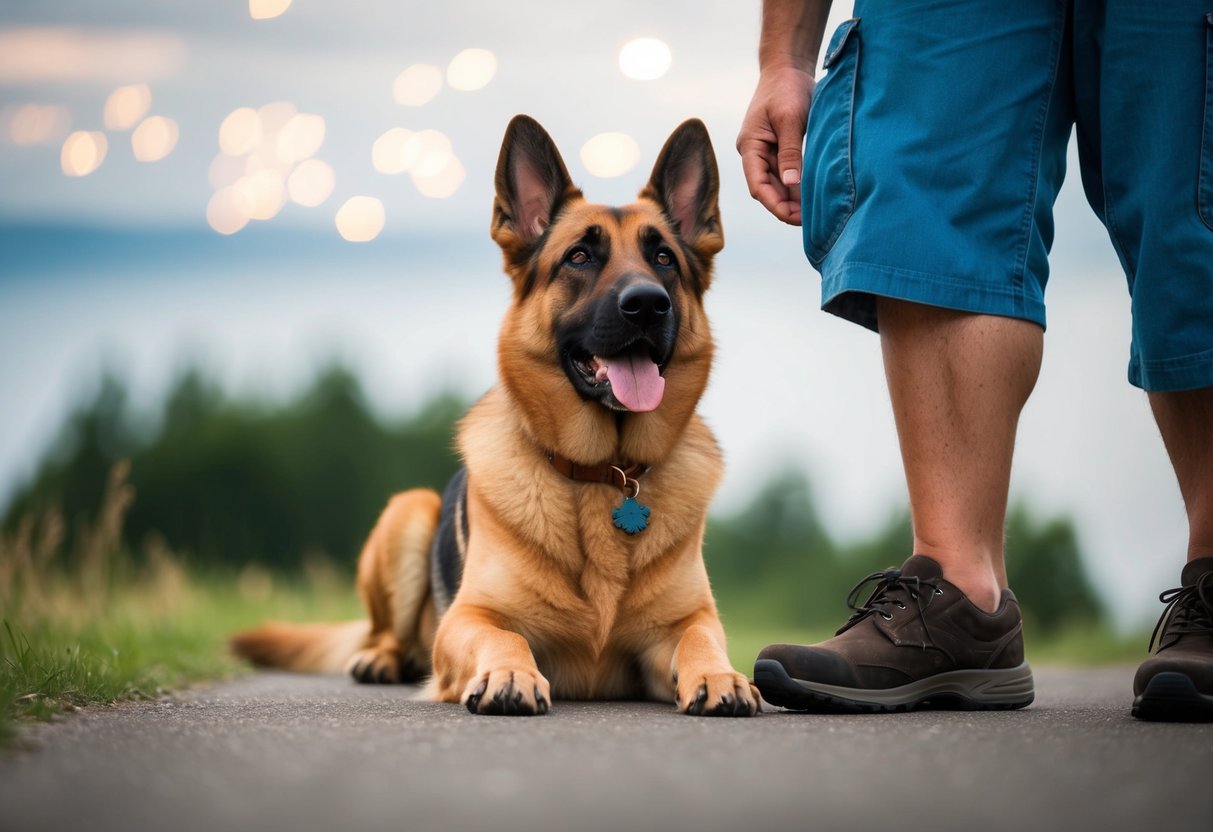
Creating a strong bond with your dog is essential. A solid relationship leads to greater companionship and understanding. This bond is built through effective socialization and training practices that establish affection and trust.
Importance of Socialization
Socialization is crucial for your dog’s development. Early experiences help your dog become confident and comfortable around people and other animals.
Start introducing your puppy to various environments, sounds, and sights. This exposure helps reduce anxiety later in life.
Key activities for socialization include:
- Puppy classes: These allow your dog to interact with others.
- Walks in busy areas: Familiarizing your dog with different sights and sounds.
- Playdates: Encouraging positive interactions with other dogs.
A well-socialized dog is more likely to be affectionate and loyal, making them a great companion for you.
Training for Companionship
Training is another key element in building a strong relationship. It not only teaches your dog commands but also establishes communication.
Incorporate positive reinforcement methods, like treats or praise, to encourage good behavior. This technique helps your dog associate training with positive experiences.
Important training tips include:
- Start with basic commands: Teach commands like “sit,” “stay,” and “come.”
- Be consistent: Use the same cues and rewards each time.
- Keep sessions short: Short, fun sessions help maintain your dog’s attention.
Remember to combine training with affection. Offering cuddles or quick play sessions can strengthen the bond you share. Building a solid relationship with your dog takes time, but it is rewarding.
Tips for Families With One-Person Dogs
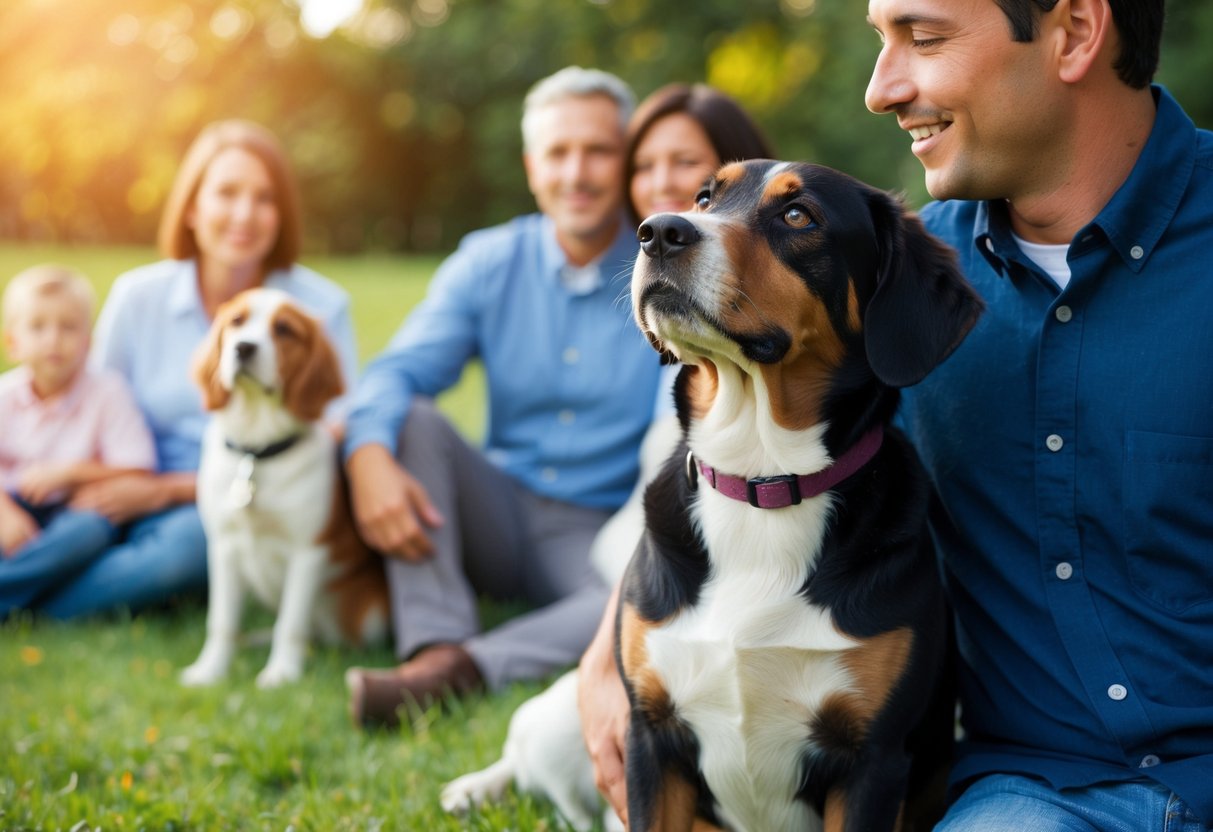
Living with a one-person dog can be a rewarding experience, but it also comes with unique challenges. Understanding how to incorporate your dog into family life and address issues like separation anxiety will help everyone adjust positively.
Incorporating into the Family
To help your one-person dog feel comfortable with your family, start with gradual introductions. Bring family members into playtime and training sessions. This allows your dog to associate positive experiences with other people.
Create shared routines that involve the whole family, like group walks or feeding times. This helps your dog learn that everyone is a part of their pack. You can also teach family pets how to interact safely, ensuring everyone feels at ease.
Consider using treats or toys to encourage bonding. When your dog sees others as sources of fun and care, they will feel more included.
Dealing With Separation Anxiety
One-person dogs often experience separation anxiety. They may become distressed when their favorite person is gone. To help with this, practice short departures. Leave for a few minutes, then gradually increase the time.
Create a safe space for your dog with their favorite toys. This gives them comfort when you’re not home. Leaving an item with your scent can also help soothe them.
Use calming techniques, such as gentle music or a soft blanket, to reduce anxiety. Also, consider engaging training exercises that teach your dog to remain calm when you leave. Keeping their mind busy can distract them from missing you.


