
When it comes to dog bites, knowing which breeds are more likely to bite can help you stay safe. You may be surprised to learn that many factors contribute to a dog’s biting behavior, including their environment, training, and socialization. Certain breeds, such as the German Shepherd and Pit Bull, have higher bite rates based on reported incidents.

Understanding dog behavior is crucial for bite prevention. Dogs can bite out of fear, anxiety, or protection, so recognizing their body language can make a difference.
By being aware of the breeds that may carry a higher bite risk, you can take precautions when meeting new dogs or even consider these factors when choosing a pet.
In this article, we will explore the breeds most commonly associated with dog attacks and provide insights into how you can protect yourself and others. Learning about these risks will empower you to make informed decisions around dogs.
Understanding Dog Behavior and Aggression
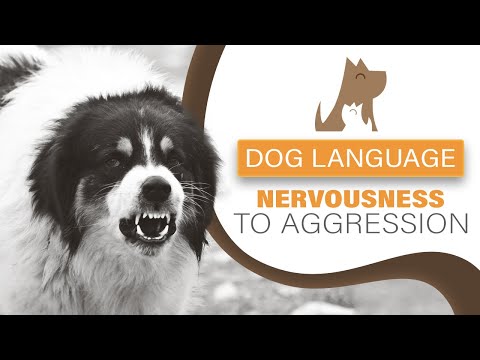
When it comes to dogs, understanding their behavior is essential for safety. Various factors influence their aggression, including breed characteristics and early experiences.
Factors Contributing to Aggression
Many elements can lead to aggressive behavior in dogs. Some common factors include:
- Fear: A frightened dog may bite out of self-defense.
- Territory: Dogs can be protective of their space, leading to aggressive acts.
- Pain: A dog in pain may react aggressively if touched or approached.
- Socialization: Dogs that are not well socialized may show more fear or aggression.
You should observe your dog’s environment and behavior to identify what might trigger aggression. This awareness helps you to avoid situations where your dog feels threatened.
The Role of Breed in Dog Bites
Certain dog breeds are more prone to aggressive behaviors than others. Breeds known for higher biting incidents include:
- Pit Bulls
- Rottweilers
- German Shepherds
- Doberman Pinschers
These breeds may have strong guarding instincts. Nevertheless, remember that not all individuals of these breeds will bite. It’s often a mix of genetics, training, and environment that determines behavior. Responsible ownership and proper training can make a significant difference.
Signs of Potential Aggression
Being aware of warning signs of aggression can help you avoid bites. Look for:
- Growling: A growl can signal discomfort or warning.
- Stiff Body Language: A tense dog may be feeling threatened.
- Showing Teeth: This is a clear warning sign of aggression.
- Barking: Excessive barking can indicate excitement or fear.
Understanding these signs allows you to manage situations better. If you notice any of these behaviors, it’s best to give your dog space and seek help from a professional trainer if needed.
Dog Bite Statistics and Breed Profiles

Understanding which dog breeds are more likely to bite can help you stay safe around them. Certain breeds have higher bite incidences, often influenced by their behavior, training, and environment.
Breeds with Higher Bite Incidences
Some dog breeds are known to have higher bite statistics than others. Notably:
- Pit Bulls: Often at the top of biting statistics, they account for a significant percentage of bite incidents due to their strength and tenacity.
- Rottweilers: These dogs are powerful and protective, leading to serious bites in confrontational situations.
- German Shepherds: Frequently used as service and police dogs, their protective nature can lead to bites if they feel threatened.
- Chihuahuas: Surprisingly, small breeds like Chihuahuas exhibit aggressive tendencies when they feel cornered, resulting in bites.
- Terriers and Mastiffs: Terriers are known for their spirited nature, while mastiffs, despite their size, may bite if they perceive danger.
Awareness of these breeds can help you recognize potential risks and act accordingly.
Understanding the Data
Statistics reveal that approximately 4.5 million people are bitten by dogs each year in the U.S. These bites most often happen with unneutered males, which are 2.6 times more likely to bite.
Data shows that 70% of bites come from male dogs. Certain breeds dominate the bite statistics, with mixed breeds also contributing significantly.
Understanding these numbers helps you make informed decisions about dog ownership and interactions. When meeting new dogs, it’s essential to assess their behavior and respect their space. Awareness is the first step to improving safety for both people and dogs.
Legal Aspects of Dog Bites

When dealing with dog bites, understanding legal aspects is crucial. Knowing the laws and who is responsible can help you if you ever find yourself in a situation involving a dog bite.
Dog Bite Laws
Dog bite laws can vary by state. Many places follow the “one-bite rule,” which means a dog owner might not be liable for the first bite if they had no reason to believe the dog was dangerous.
In other areas, strict liability applies, meaning the owner is responsible for any injuries caused by their dog, regardless of the dog’s past behavior.
It’s important to report any dog bite to local authorities and seek medical attention. This will create a medical record that may be essential for any future dog bite claims. Understanding the specific laws in your area can better prepare you for potential legal action.
Liability and Insurance
Liability in dog bite cases often falls on the dog’s owner. If their dog bites someone, they might be responsible for medical bills and other damages.
Many homeowners’ or renters’ insurance policies cover dog bite attacks. You should check whether your policy provides this coverage.
In some cases, proving that an owner was negligent or aware of their dog’s dangerous behavior can strengthen a dog bite lawsuit. If you’re facing this situation, consulting with an attorney can help clarify your options and responsibilities.
Preventing and Responding to Dog Bites

Understanding how to prevent dog bites and knowing how to respond if they occur is essential for your safety. Awareness and proper actions can make a significant difference.
Effective Prevention Strategies
Preventing dog bites starts with understanding dog behavior. Always ask the owner for permission before approaching a dog. This is important, especially with stray dogs.
Socializing your dog early can help them be comfortable around people and other pets. Neutering male dogs may also reduce aggression and territorial behavior.
Be cautious in situations where dogs are interacting with children. Teach your kids how to behave around dogs, like not pulling tails or bothering dogs while they eat.
Lastly, ensure your yard is secure to keep your dog safe and away from stray dogs, which can sometimes be unpredictable.
First Aid and Medical Attention
If a dog bites someone, make sure their safety comes first. Wash the wound immediately with warm water and soap to reduce the risk of infection. Apply a clean bandage if needed.
Seek medical attention, especially if the bite is deep or from a stray dog. Infections can develop quickly, and you may need a tetanus shot or other treatments.
Keep an eye on the injured area for signs of infection, such as redness or swelling.
If you witness a dog bite, offer help to the victim. Support them by calling emergency services if necessary. It’s vital to encourage them to seek medical attention as soon as possible.


