
Getting stung by a bee hurts, no doubt about it. But sometimes, it feels like there’s something more going on beneath the surface.
A bee sting can symbolize personal growth, transformation, or the need to set boundaries in your life. It’s almost as if the sting nudges you to remember that pain or discomfort can push you to learn and get stronger.
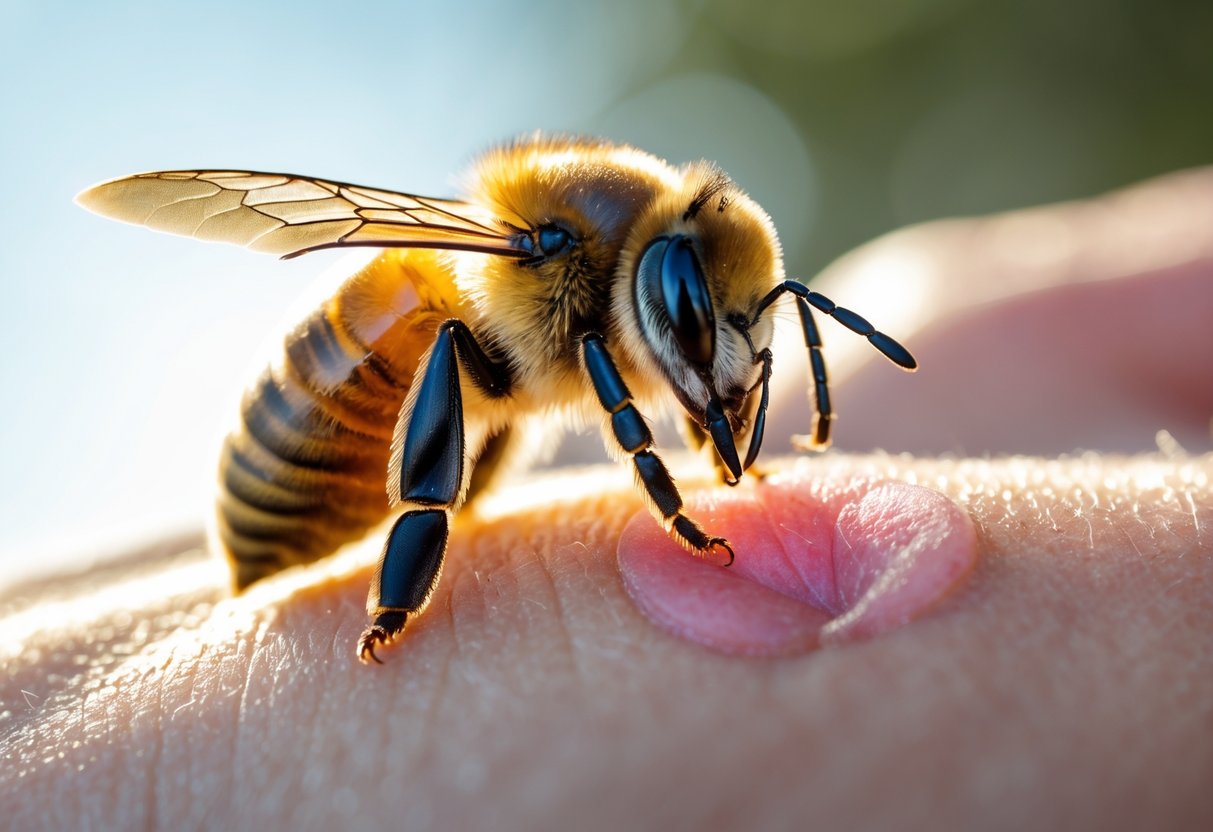
People often see bees as icons of hard work, dedication, and community. So, when a bee stings you, maybe it’s a sign to focus on these qualities or pay closer attention to changes happening around you.
This perspective can shift how you look at what feels like just a random, unlucky moment.
If you’ve ever caught yourself wondering why a bee picked you or if there’s a deeper message, you’re not alone. Exploring the spiritual side of bee stings might surprise you with what you find.
What Does It Mean When A Bee Stings You: Spiritual Meaning Unveiled
What Happens When A Bee Stings You?

When a bee stings you, it pushes a tiny, barbed stinger into your skin and injects venom. This venom packs a bunch of chemicals that trigger pain, swelling, and other reactions.
Your immune system jumps into action right away, fighting off the venom. That’s why you notice redness and itching almost immediately.
How Bee Stingers Work
A honey bee’s stinger has barbs, so it can get stuck in your skin after the sting. Usually, the bee leaves the stinger behind, and it keeps pumping venom even after the bee’s gone.
Female bees use these stingers for defense. The stinger connects to a venom sac, so once it’s in your skin, venom flows out automatically.
If you try to pull the stinger out slowly, you might actually squeeze more venom in. It’s better to scrape it out fast with something flat, like a credit card.
Venom Components and Their Effects
Bee venom—people call it apitoxin—contains a mix of chemicals that act on your body right away.
- Melittin: Brings the pain and damages cell membranes.
- Phospholipase A2: Breaks down cell fats, letting venom spread.
- Hyaluronidase: Helps venom move through your tissues by breaking down connective stuff.
- Acid phosphatase: Can cause swelling and redness.
- Histamines: Kickstart your immune response and make you itch.
All together, these chemicals create that sharp sting, burning, and swelling you feel.
Common Symptoms and Reactions
Right after a bee sting, you’ll probably feel a sharp pain at the spot. The skin usually turns red, swells up, and feels warm.
This can last a few hours or a couple of days. Sometimes, you get a small bump or hive as your body heals.
Bee venom also contains alarm pheromones, so nearby bees might get riled up and sting too if they sense trouble.
Some folks have stronger reactions—like swelling that spreads or trouble breathing. If that happens, you need medical attention fast.
Most of the time, though, bee stings are mild and you can handle them at home.
For more details, check out Cleveland Clinic’s bee sting symptoms, treatment, and prevention.
Medical And Spiritual Implications Of Bee Stings

Bee stings can hit you both physically and spiritually. Physically, your reaction can range from a little discomfort to something more serious.
On the spiritual side, some people believe a bee sting sends a hidden message about growth or awareness.
Mild, Moderate, and Severe Reactions
Reactions to bee stings really vary. Mild reactions show up as redness, swelling, and pain at the sting site, and usually fade in a few hours.
Moderate reactions can cause more swelling and itching that stick around for days. You might even feel tired or sore.
Severe reactions are rare but dangerous. Swelling might spread, or you could have trouble breathing or feel dizzy. If that’s the case, you need help right away.
Wasps can sting too, and those stings often feel sharper. Make sure you keep an eye on your symptoms.
Allergic Responses and Anaphylaxis
Some people have allergies to bee or wasp stings. If you’re allergic, your body releases chemicals that cause big swelling, hives, and breathing problems.
That’s called anaphylaxis—it’s life-threatening.
If you know you have this allergy, carrying an EpiPen is a must. Epinephrine acts fast to reduce swelling and open your airways.
Even if you’re not sure, get emergency help if you struggle to breathe, your face or throat swells, or you feel faint after a sting.
Managing Sting Symptoms and Treatment
For most stings, start by scraping out the stinger with a flat object, like a credit card. Don’t squeeze it—squeezing can push in more venom.
Wash the area with soap and water to keep it clean. Throw on some ice or a cold pack to bring down swelling.
You can take an antihistamine like diphenhydramine or loratadine to help with itching and redness. Over-the-counter pain meds like ibuprofen can make you more comfortable.
Keep an eye out for symptoms that get worse. If swelling spreads or you notice signs of infection—like pus or extra warmth—call your doctor. For wasp stings, you can use the same treatment steps.
Spiritual Symbolism and Messages
Spiritually, a bee sting usually points to change or awakening. It feels like a nudge, asking you to notice what’s happening in your life or how you’re really feeling.
People often connect bees with focus, community, and hard work. If you get stung, maybe it’s time to ask yourself how dedicated you are or whether your mindset needs a shift.
Some folks see the sting as a sign of healing or resilience. It’s a reminder—pain sometimes leads to growth, even if it’s uncomfortable.
You might even take the sting as a message from higher energy. Maybe it’s urging you to stay balanced and connected, especially when life throws challenges your way.
For more on the symbolic meaning, check out the page about the spiritual meaning of bee stings.


