
When you spot a skunk in your yard, it usually means your place offers something tempting—maybe food or a cozy spot to hide. Skunks wander in because they’re searching for insects, plants, or any leftovers they can find. If you notice a skunk hanging around, that’s your cue to check for things like pet food, open trash, or fallen fruit. Cleaning up can help keep them away.

Skunks aren’t aggressive by nature. They’d rather avoid people, but they’ll use their spray if they feel threatened.
If you see one, just stay calm and give it some space. That way, it’ll probably wander off on its own and you both avoid a stinky mess.
Sometimes, people think seeing a skunk means something more. Some folks see them as symbols of self-acceptance or standing your ground.
Whether you’re just curious or want to keep things peaceful, understanding why a skunk showed up can help you react wisely. If you want more tips on what to do, check out this guide.
Understanding Why Skunks Appear in Yards
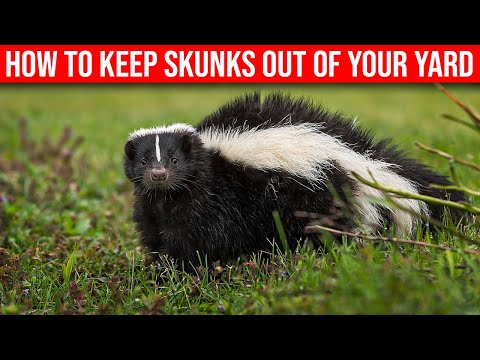
Skunks visit yards when they find food, shelter, or safe spots to hang out. You might notice clues that they’ve stopped by.
Knowing where skunks settle and what they do can help you protect your space and avoid surprises.
Reasons Skunks Are Attracted to Yards
Skunks show up mostly for easy meals. They’ll eat insects, grubs, fallen fruit, pet food left outside, and even birdseed.
If you’ve got wood or rock piles, or shady spots under porches or sheds, skunks might move in there. Wet soil that brings grubs near the surface is another big draw.
Try removing food sources and cleaning up hiding spots if you want to see fewer skunks around.
Signs of Skunk Activity to Look For
You’ll probably notice a strong, nasty smell if a skunk’s been around. They spray when they feel scared or cornered.
Keep an eye out for small, shallow holes in your lawn. Skunks dig these up looking for grubs or insects.
You might spot tracks with five toes, about the size of your thumb. Smelling that skunky odor, especially at night or early in the morning, usually means they’re close by.
Where Skunks Make Their Dens
Skunks pick safe, hidden places to build dens. They love wood or rock piles, spots under porches, gaps beneath concrete slabs, and spaces under decks or sheds.
Sometimes, skunks take over old animal burrows or dig their own shallow holes. They want places that stay dry but still give them cover from predators and bad weather.
Seal up gaps under your porch or shed and clear out debris to make your yard less appealing for skunk dens.
Common Skunk Behavior in Residential Areas
Skunks get active at night, especially in spring and summer. They spend most of their time searching for food and digging for insects or grubs.
When they feel threatened, skunks raise their tails and spray a smelly liquid. They usually give a warning first—maybe a stomp or a hiss.
Skunks actually help control yard pests by eating insects and rodents, but their digging can mess up your lawn. Watching what they do helps you stay safe and keep things tidy. For more info, check out why skunks spray in your yard.
What to Do if You Spot a Skunk in Your Yard

Spotting a skunk in your yard can catch you off guard. How you react really matters.
You can keep yourself, your pets, and the skunk safe by staying calm and making smart choices. Making your yard less inviting to skunks helps keep them from coming back.
How to Respond Safely to a Skunk Sighting
If you see a skunk, the first thing—just stay calm. Don’t move suddenly or make loud noises that could scare it.
Skunks only spray when they feel threatened, so give it space and let it leave on its own.
Back away slowly and keep pets inside or on a leash. Try not to corner the skunk, especially near a den or under bushes.
If the skunk stands still, just wait it out. Don’t try to touch or catch it—seriously, it’s not worth it.
Preventing Skunks from Returning
To keep skunks from coming back, start by looking at your yard. Skunks like places with food and shelter, like pet food left out or piles of wood and leaves.
Here’s what you can do:
- Remove food sources: Seal garbage cans and bring pet food inside at night.
- Eliminate shelter: Fill in holes or burrows, especially near your house.
- Secure fencing: A fence about 2 feet high usually keeps skunks out—they’re not big climbers.
- Trim plants: Skunks hide in tall grass, so keep your lawn and shrubs neat.
Deterring Skunks Without Harm
If you’re trying to keep skunks away without hurting them, natural deterrents are your best bet. Skunks really can’t stand strong smells, so tossing some citrus peels or laying out ammonia-soaked rags around your yard might do the trick.
I’ve seen motion-activated sprinklers work wonders—they just surprise the skunks with a quick spray of water. No harm done. You could also plant flowers like lavender or marigolds, since their strong scents tend to drive skunks off.
Don’t mess around with chemicals or traps on your own. If skunks keep coming back, it’s probably time to call in a professional who knows how to remove them safely.
For more tips, check out this advice on what to do if you see a skunk in your yard.


