
You’ll probably catch quick barks, high-pitched chirps, or even sharp screams when squirrels dart through your yard. Most of the time, those sounds mean one of three things: alarm, annoyance, or just squirrel-to-squirrel chatter—barks and cries warn about danger, chatter and chirps are for social or mating signals, and screams? Well, those mean real trouble.

If you pay attention to their tone and body language, you’ll start to figure out what kind of sound you’re hearing. In this post, I’ll break down common squirrel calls, what each one usually means, and how the noises change depending on age or species.
Main Squirrel Sounds and Their Meanings
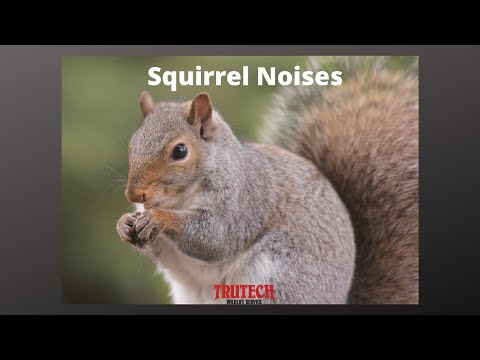
You’ll notice a few distinct squirrel noises once you start listening. Short, repeated notes, louder single calls, or sudden high-pitched yelps—each one means something different.
Chattering and Chirping
Chattering and chirping pop up when squirrels feel annoyed, excited, or just plain curious. Usually, you’ll hear quick, rapid notes as a squirrel perches on a branch or feeder.
This noise often acts as a mild warning to other squirrels or a challenge to a rival. If a squirrel sits relaxed and chatters, it’s probably just claiming territory or teasing a neighbor.
But if it chatters while staring right at you, it probably wants you to back away from its food or nest. These sounds show up a lot and can change in pitch or speed depending on the species.
Barking and Warning Calls
Barking comes out as short, sharp, and clear—think of it like a squirrel’s version of a car alarm. Squirrels bark when they spot predators, dogs, or strangers nearby.
A single bark might just mean curiosity. But if you hear a steady string of barks, that’s a real warning to the group.
Barking usually goes hand-in-hand with tail flicks and quick, jerky movements. If you’re curious about what set them off, take a look around for cats, hawks, or even snakes.
Screams and High-Pitched Distress Calls
Screams? Those are loud, long, and ear-piercing. Squirrels scream when they’re caught, hurt, or suddenly terrified.
This sound grabs your attention fast—honestly, it’s hard to ignore. Screams don’t happen often, but when they do, it’s urgent.
Usually, you’ll hear it right after an attack or a close escape from a predator. If you catch a scream, check for injured animals or predators, but don’t get too close—jumping in can be risky.
Squawking and Argument Sounds
Squawking sounds harsh and repetitive, almost like a heated argument. Squirrels squawk during fights, food disputes, or tense encounters with each other.
If you hear squawking, look for raised fur, lunges, or chase scenes across branches. These calls can turn into real scuffles or quick chases.
When squawking erupts in your yard, it usually means squirrels are defending nests or food stashes.
Unique Squirrel Noises by Age and Species

Squirrel voices change with age and species. If you listen for high-pitched pleas, chirps, barks, and repetitive chattering, you can usually tell age and type apart.
Noises Made by Baby Squirrels
Baby squirrels make short, high-pitched sounds when they want food, warmth, or help. You’ll hear soft “mup-mup” whines, light squeaks, and quick whistles when they call for their mother.
These calls sound quieter than adult cries but sharper than bird chirps. If a baby feels cold or stuck, its calls get higher and repeat more quickly.
You might hear little rustling or scuffling as it moves in the nest. Newborns don’t bark; they just let out pleading chirps and gentle squeals.
A steady, high-frequency whistle usually means a hungry or separated baby. Sometimes, adult males make a similar quiet “mup” during courtship, but those calls feel less urgent than a baby’s cry.
Differences in Sounds: Gray, Fox, and Red Squirrels
Gray squirrels let out deep barks, rolling chatters, and loud alarm screams. Their barks warn about predators, and their long chatter marks territory near feeders.
Grays tend to be louder and more varied, especially in suburban yards. Fox squirrels have lower-pitched barks with longer, spaced-out alarms.
Their calls sound more resonant since fox squirrels are bigger. You’ll hear more long barks and fewer high-pitched whistles from foxes than from smaller types.
Red squirrels go for sharper, faster chirps and more frequent high squeaks. They often sound frantic and staccato when defending territory.
If you want to compare, check out common squirrel calls at Squirrel University for some great audio examples (https://squirreluniversity.com/what-sounds-do-squirrels-make/).
Squirrel Sounds in Attics and Walls
When squirrels get into attics or walls, their noises shift to match the cramped surroundings. You’ll probably notice steady scratching, scuffling, or thumping above the ceiling joists—especially around dawn and dusk when they’re wide awake.
Sometimes, these sounds go on for just a few minutes. Other times, it feels like they last forever.
Inside the walls, squirrels make sharp barks, quick chattering, or the occasional high-pitched squeal. If you catch a pattern of rhythmic thumps at night, that’s usually young squirrels or nesting activity.
Distress calls stand out—they’re much louder and have a real sense of urgency compared to the usual scuffling.
Take a look near possible entry points for streaks of light, chew marks, or little droppings. If you’re curious about what typical attic noises sound like, A-Z Animals has a handy guide on squirrel vocal behaviors you can check out (https://a-z-animals.com/blog/sounds-squirrels-make-and-what-each-means/).


