
You step into the wild, and to a lion, you’re something strange—a two-legged creature that moves, smells, and sounds nothing like the animals they’re used to. Most of the time, lions see you as either a possible threat or just not worth their attention; only in rare cases do they see you as prey.

Lions use scent, sight, and whatever they remember from before to figure out what you are.
Sometimes they ignore people, sometimes they warn, and sometimes, well, things get dangerous.
Curious about what makes a lion react to you? Let’s get into how those reactions shape real-life run-ins between lions and people.
How Lions Perceive Humans
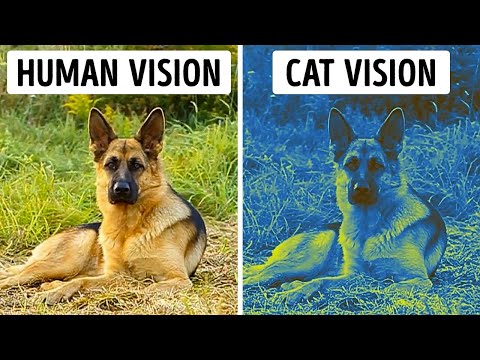
Lions size you up using their nose, ears, and eyes.
How they react depends on whether they’re hungry, what’s happened before, and what you’re doing.
Sensory Insights: Seeing, Scent, and Sound
Lions lean most on smell and hearing, then vision.
Your scent tells them a lot—what species you are, what you’ve been up to, and even if you’re scared. They can pick up on fear, which might change their mood.
When it comes to sight, lions care more about movement than detail.
If you run or crouch, you might catch their attention. In low light—dawn or dusk—they spot movement even more easily.
Sound matters a ton. Loud talking or sudden noises can set a lion on edge or make it back off.
If you keep quiet and steady, you’re less likely to draw notice. On safari, lions often get used to vehicle sounds and don’t see them as a problem.
Are Humans Prey, Threats, or Irrelevant?
Most lions don’t see people as food. They’d rather chase big animals like zebras or buffalo.
But if a lion’s desperate, hurt, or starving, a lone human might look tempting.
If you act aggressive, get near cubs, or if lions have bad history with people in the area, they might see you as a threat.
In places where people and lions clash a lot, some lions learn to be afraid of or even attack humans.
Other times, lions just don’t care. If you’re in a vehicle or far away, they often ignore you completely.
Your role—prey, threat, or nothing—really depends on the situation and what the lion’s been through.
Factors That Shape Lion Reactions
How you behave is huge. If you run, yell, or make sudden moves, you’re more likely to get a defensive reaction.
If you stand tall, stay still, and back away slowly, you lower your risk.
A lion’s history with people matters too. Lions that have been hunted or lost land to humans tend to be more aggressive or nervous.
A lioness with cubs? She’s going to be extra protective, no question.
The lion’s own state—hungry, young, old, or injured—also changes things. Younger or weaker lions might take more chances.
Lions used to safari vehicles often ignore people in jeeps, but those living near unprotected villages act differently.
Lion-Human Interactions and Their Consequences

Usually, lions steer clear of people. But if food runs low or their home gets broken up, they might come closer.
Your choices—like leaving livestock alone or moving into lion country—change how lions act and how often problems happen.
Wild vs. Captive Lion Responses
Wild lions in many places learn to avoid people. They stick to spots with plenty of wild prey like buffalo or zebra and tend to keep away from areas where people keep livestock.
But when prey disappears or land gets chopped into smaller pieces, lions sometimes take risks and wander near villages or herds.
Captive lions? They’re another story. They get used to people feeding and handling them.
You might see calm lions in zoos or sanctuaries, but that doesn’t mean they’re safe. Their wild instincts are still there, and they can act out without warning.
A few things worth remembering:
- Wild lions usually avoid you unless hunger or habitat loss pushes them.
- Captive lions may look relaxed but can still hurt people.
- Protecting livestock and keeping wild prey around helps prevent bad encounters.
Lion Attacks: Causes and Rarity
Lion attacks on people don’t happen often, but they do occur.
Usually, it’s wounded or old lions that can’t catch wild prey, surprise meetings at night, or lions that have learned to hunt livestock near villages.
In spots where people keep pushing into lion territory, attacks become more likely.
Most attacks follow patterns: they happen at dawn or dusk when lions hunt, near water or grazing spots, and in places where livestock gets left out in the open.
If you move in groups, use lights, and lock up animals in sturdy bomas, you cut down the risk of a lion attack.
Human-Lion Conflict and Conservation
People and lions often clash, and sadly, that usually means lions get killed. These losses hit populations hard.
When wild prey disappears or fences block migration, lions start behaving differently. Sometimes, they go after livestock instead.
This shift makes people angry, so they strike back with poison, snares, or guns.
What actually helps both sides? Well, protecting wild prey and fixing up habitat corridors can make a big difference.
Some folks build predator-proof enclosures to keep livestock safe. Others use GPS collars and community monitoring to spot trouble spots.
A lot of programs also team up with local communities. They offer compensation for losses and teach herders safer ways to protect their animals.
All these steps make it less likely people will feel the need to kill lions. At the same time, they help keep lion populations healthy and protect people’s homes.
Research shows lions usually steer clear of areas dominated by humans—unless they have no choice because of scarce resources or habitat loss.
If you want to dig deeper, check out this University of Michigan study on how lions change their movements when habitats shrink: U-M-led study investigates lions’ interactions with humans in a diminishing habitat.


