
Owning a barn owl can be an exciting and rewarding experience for bird lovers. Many states classify barn owls as wildlife, so you typically need a special permit to own one. Understanding the requirements for keeping one as a pet is essential before diving into this journey.

You might be wondering about what caring for an owl involves. Owls require specific diets and environmental setups to thrive. Barn owls, in particular, are known for their impressive hunting skills and unique personalities, making them captivating companions if you’re ready for the commitment.
Before bringing a barn owl into your life, it’s crucial to research and prepare adequately. Knowing the legal requirements and proper care techniques can help ensure that both you and your owl have a fulfilling experience together.
Legal Considerations and Permits

Owning a barn owl involves understanding various legal aspects. You must be aware of the necessary permits and laws that govern owl ownership, particularly regarding wildlife regulations. Here’s what you need to know to navigate this process.
Understanding Possession Permits
Before you think about owning a barn owl, check if you need a possession permit. Many states require this permit since barn owls are often classified as wildlife. Possession permits ensure that you can legally house and care for the owl.
To obtain a permit, you may need to demonstrate your knowledge of barn owls and their care. This might include providing details about your intended habitat setup, as well as how you’ll meet their dietary and health needs. Reach out to your local wildlife agency for specific requirements.
Navigating the Wildlife and Countryside Act 1981
In the UK, the Wildlife and Countryside Act 1981 plays a key role in owl ownership. This law protects various species, including barn owls. Understanding this act is essential for responsible ownership.
You must ensure that your activities comply with this legislation. This may mean engaging with local wildlife authorities to confirm that your plans meet legal standards. Ignoring this could lead to hefty fines or even confiscation of your owl.
Securing an Article 10 Certificate
An Article 10 Certificate is often needed for those wishing to keep certain species like barn owls. This certificate ensures that the bird is legally acquired and can be kept without issues.
To obtain this certificate, the owl must be captive-bred and come with proper documentation. You’ll need to apply through the Department of the Environment, Food and Rural Affairs (DEFRA). Make sure you provide all necessary information about the owl and your care plans for a successful application.
Special Circumstances for Falconry
If you are involved in falconry, there are special considerations for owning a barn owl. Falconry permits permit you to train and use owls for hunting purposes. You may have to demonstrate your ability to manage these birds effectively.
Check with the relevant wildlife agency for specific permits needed for falconry. Educational permits may also apply if you want to use the owl for teaching. Having these permits ensures that you follow legal guidelines while enjoying your passion for birds of prey.
Housing and Environment
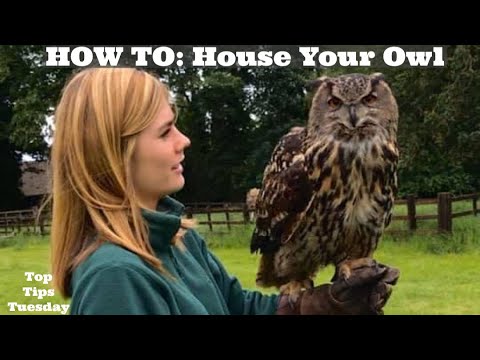
Creating the right housing and environment for your barn owl is essential for their well-being. Proper enclosures and meeting their environmental needs will help ensure a happy and healthy life for your pet owl.
Suitable Enclosures for Barn Owls
Barn owls need a spacious enclosure to thrive. Cages or aviaries should be at least 4 feet tall and 6-8 feet long to allow them to fly and exercise.
Use materials like wood and metal for the structure. Mesh wire can provide ventilation and visibility while keeping your owl safe.
Include places for your barn owl to perch, like branches or sturdy platforms. Bedding material should be soft, such as straw or wood shavings, to keep them comfortable.
Avoid using small cages or cramped spaces, as this can lead to stress and health issues. Remember, barn owls can be quite active, so ample space is key!
Meeting the Environmental Needs of an Owl
Owls are sensitive to their surroundings. Temperature is important; they prefer cool areas, ideally between 60°F and 80°F.
Provide a place where they can create a dark, quiet space to rest. Barn owls are nocturnal, so they thrive in dim lighting.
Humidity is also a factor. Aim for a humidity level of around 30-50% to mimic their natural habitat. Provide access to fresh water for drinking, and keep their enclosure clean to ensure their health.
Regularly observe your barn owl’s behavior. If you notice signs of stress, adjust their environment accordingly. Creating a safe and comfortable space will foster a strong bond with your pet owl.
Owl Care and Feeding

Taking care of a barn owl requires attention to both its diet and daily maintenance. This ensures your owl stays healthy and happy in its environment.
Essential Diet for Optimal Health
A proper diet is key for your barn owl’s well-being. Barn owls primarily eat small mammals, with voles and mice being favorites. An adult barn owl usually consumes about 1.5 to 2 day-old chicks or roughly three voles each night.
It’s important to provide fresh food daily. Some owls may eat more if they are active or underweight. You can feed your owl whole prey, which provides essential nutrients. Avoid feeding them wild rats or pigeons, as these can be harmful due to diseases.
Suggested Diet:
- 1.5 to 2 day-old chicks or
- 3 voles per night
- Variety is important to ensure balanced nutrition.
Daily Care and Maintenance
In addition to feeding, daily care is crucial. Start by providing fresh water every day. You can use a shallow bowl, but some owls prefer misting with a spray bottle. This can keep their feathers clean and hydrated.
You should also make sure their living area is clean and safe. Remove droppings regularly to prevent health hazards. Check your owl for signs of stress or illness, like being inactive or having ruffled feathers.
Daily Care Checklist:
- Fresh water supply
- Clean the living area
- Observe for health issues
By following these guidelines, you can ensure your barn owl thrives in your care.
Conservation and Ethical Considerations

When considering owning a barn owl, it’s essential to think about conservation and ethical issues involved. Understanding the impact of your choice and how you can help these birds is crucial.
The Role of Rehabilitation Centers
Rehabilitation centers play a vital role in caring for injured or orphaned owls. These facilities are staffed by trained professionals who understand the needs of birds like barn owls. They often require a rehabilitation permit to operate legally and provide proper care.
If you see an injured barn owl, it is crucial to contact a local rehabilitation center. They have the expertise to assess the owl’s condition and decide on the best course of action. Supporting these centers through donations or volunteering is a great way to contribute to owl welfare.
Contributing to Owl Conservation
You can make a positive difference in barn owl conservation efforts. Start by educating yourself about local and federal laws regarding owl ownership. Many owls are protected under laws such as the Migratory Bird Treaty Act.
Consider joining local conservation groups focused on owl protection. You might also engage in citizen science projects that monitor owl populations. By advocating for habitat preservation and participating in educational programs, you help ensure that barn owls and their habitats remain safe.
Staying informed and active in conservation efforts is vital. You play an important part in protecting these beautiful creatures and their ecosystems.


