
As winter approaches, you might wonder what beavers do to survive the cold months. Beavers do not hibernate. Instead, they stay active beneath the ice in their cozy lodges. They prepare for winter by gathering and storing food before the ponds freeze over, ensuring they have fresh branches to eat throughout the season.

These clever animals have unique adaptations that help them thrive in winter. Their thick tails store fat, which provides energy during tough times, while their underwater entrances keep them safe from predators. When the ice becomes too thick, beavers still manage to swim under it to access their food caches, displaying their remarkable resilience.
By understanding how beavers adapt to winter, you gain insight into their fascinating lives. You’ll discover why these industrious creatures are so important to their ecosystems and how they overcome the challenges posed by cold weather.
Beaver Habitats and Winter Preparations

As winter arrives, beavers prepare themselves for the cold months ahead. They create sturdy lodges and gather food to ensure their survival through ice and snow. These preparations show their incredible engineering skills and adaptability.
Structural Marvels of Beaver Lodges
Beaver lodges serve as safe havens during winter. Built from branches, mud, and vegetation, they provide excellent insulation against the cold. The lodges often sit partially submerged in water, which keeps them insulated under a layer of ice.
Inside, the lodge has a cozy living area. Beavers can raise their young here and find refuge from predators. By constructing entrances below the waterline, beavers gain protection from land threats. This ingenious design helps them stay safe and warm even during the harshest weather.
Food Cache and Foraging
During autumn, beavers actively gather food for winter. They create food caches by storing branches, twigs, and aquatic plants. These caches are often placed underwater, protecting the food from freezing.
A single beaver can require 500-1000 pounds of food in a year, which means careful planning is vital. Beavers prefer certain trees over others for their nutrients. They rely on these stored resources to survive when food is scarce under the ice. Their foraging skills and food cache strategies highlight their adaptability and ability to thrive in challenging conditions.
Adaptations for Winter Survival
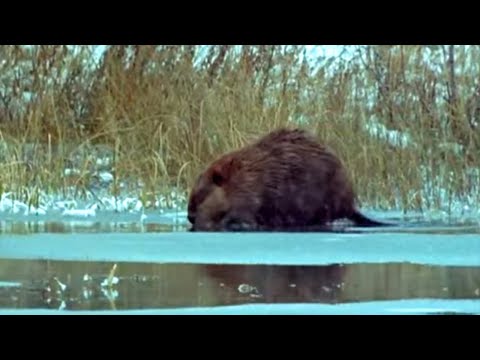
Beavers have developed specific adaptations to thrive during the cold winter months. These adaptations include physical features that keep them warm and behavioral changes that help them conserve energy.
Physical Adaptations and Fur Insulation
Beavers have a thick coat of fur that serves as insulation against the cold. This fur traps air, helping to maintain body heat. The outer layer of fur is waterproof, which is crucial for staying dry in icy water.
In addition to fur, beavers also build up body fat during the fall. This fat layer provides extra insulation and is a source of energy when food is scarce. As winter progresses, you might notice beavers with a thicker tail. Their tails store fat, which shrinks in size as the winter goes on and fat is used up.
Behavioral Changes During Winter
During winter, beavers adjust their behavior to survive the chill. They are primarily nocturnal, which means they are most active during the night. This behavior can help them avoid predators and take advantage of cooler nighttime temperatures.
Beavers create food caches, storing branches and bark underwater. This way, they have access to food without having to leave their lodges in the freezing temperatures. Inside their cozy lodges, they stay warm and conserve energy, allowing them to remain active throughout the winter months.
Beaver Social Life in Winter

During winter, beavers maintain a close-knit social life that focuses on family and survival. Their interactions are crucial for raising young and preparing for new life, even in the colder months.
Family Dynamics and Kits Care
Beaver families work together to care for their young, known as kits. Kits usually stay in the lodge for up to two years. This teamwork ensures they are protected from predators like wolves.
Inside the beaver lodge, you’ll notice all members share warmth and food. Adult beavers take turns foraging for bark and aquatic plants, creating a stash for the family. This collaborative effort keeps kits well-fed, as they need a lot of energy to grow.
As kits mature, they learn essential skills like swimming and building. This training is vital for their survival in the wild.
Mating Season and New Life
Winter is also the time when beavers engage in mating activities. The mating season generally starts in late winter. During this period, beaver pairs bond and prepare for a new generation.
After a gestation period of 2-4 months, kits arrive in spring. A typical litter consists of 1-4 kits. The whole family helps care for these young beavers.
The beaver lodge serves as a safe haven for both adults and kits. It ensures warmth and protection from predators. Muskrats may also inhabit the same areas, but beavers tend to dominate thanks to their strong social structure and protective instincts.
Frequently Asked Questions About Beavers in Winter

In winter, beavers have some unique behaviors and adaptations to thrive in cold weather. They stay active year-round, using clever strategies to find food and keep warm despite the freezing temperatures.
Do Beavers Hibernate?
Beavers do not hibernate during the winter. Instead, they remain active, even when temperatures drop. They rely on their underwater entrances to their lodges, allowing them to swim and stay safe under the ice.
This access also helps them move around to find food. Beavers are herbivores, and while they do not sleep for long periods, they tend to be less active during the coldest parts of winter. They have learned to adapt to the challenges of the colder months.
How Do Beavers Stay Warm?
Beavers have thick fur coats that keep them warm in freezing temperatures. The fur is waterproof, which helps them stay dry while swimming. This insulation is vital for their survival.
Inside their lodges, beavers create a warm environment. The lodges are built with branches and mud, offering excellent insulation. They often line the inside with dry grass and leaves. This cozy setup helps keep the temperature inside their homes above freezing, even in harsh conditions.
What Do Beavers Eat When It’s Cold?
In winter, beavers change their diet to what is readily available. They primarily feed on tree bark, especially from species like willow and alder. The bark provides essential nutrients during the colder months.
They also eat the shoots and roots of aquatic plants, which they store underwater in piles. This storage helps them access food even under thick ice. Beavers are skilled at managing their food supplies, ensuring they have enough to last until spring arrives.
Are Beavers Active All Year Round?
Beavers are active all year long, including during winter. They are usually most active at dawn and dusk.
While their activity level may decrease slightly during winter, they still venture out to find food and maintain their lodges. Even with the cold, beavers keep busy.


