
When it comes to understanding bats, their nesting habits can be quite fascinating. Bat nests are often found in dark, hidden places like attics, trees, or caves. They are made up of materials like leaves and fur. These nocturnal creatures prefer to roost in areas that keep them safe from predators while providing a cozy space for their young.
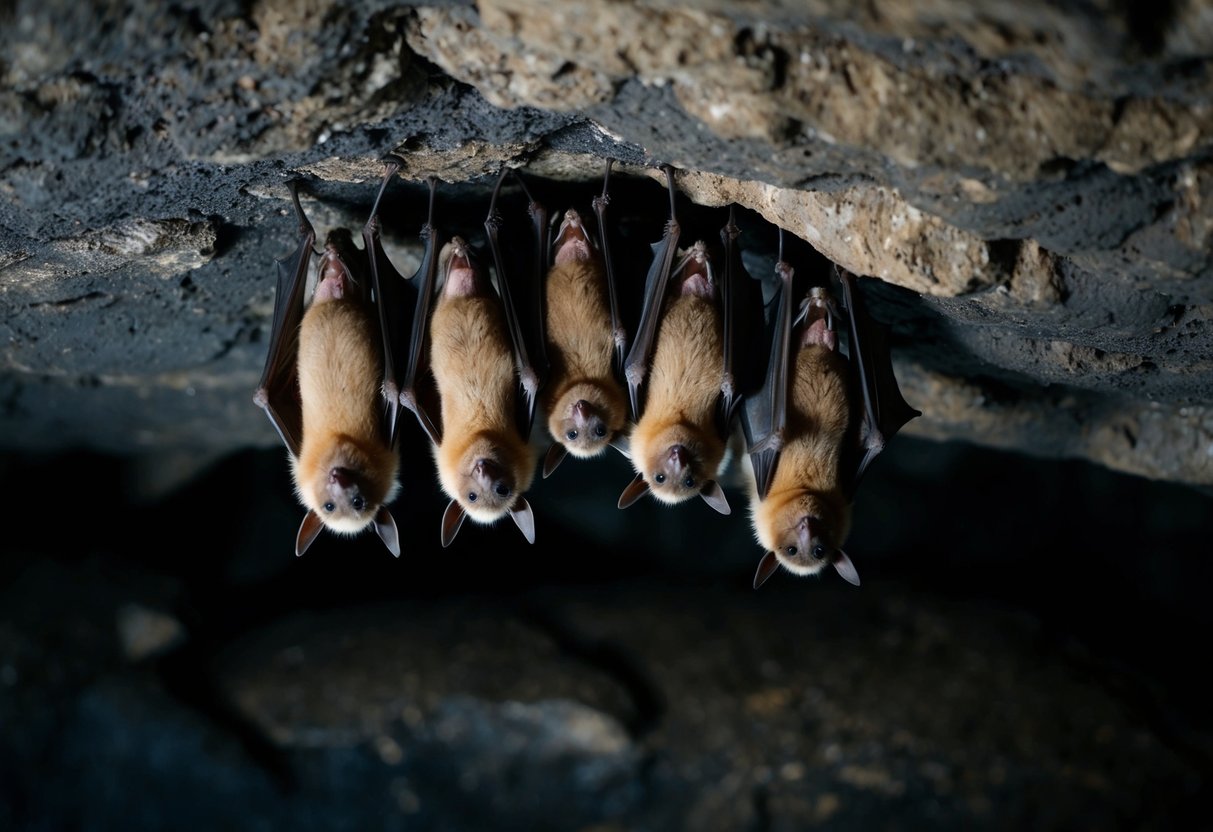
You might wonder about the appearance of these nests. Unlike bird nests, bat nests can vary widely depending on the species and their environment. Some bats roost in colonies, while others, like red bats, prefer to be alone. Recognizing where they might nest can help you better appreciate their role in our ecosystem.
Bats are essential to maintaining a healthy environment, as they help control insect populations. By learning more about what bat nests look like, you can gain a deeper understanding of these incredible creatures and their importance to nature.
Understanding Bat Behavior and Roosting

Bats are fascinating creatures that play an essential role in the ecosystem. Their roosting habits and behaviors are crucial to their survival and the health of their environments.
Bat Species and Their Habitats
Different bat species have unique roosting preferences. For instance, the little brown bat often roosts in attics, caves, or tree hollows. Meanwhile, the big brown bat may choose buildings or bridges.
Bats do not make traditional nests. Instead, they find cozy spots to roost, like cracks in rocks, tree bark, or even man-made structures. In these locations, they can gather in groups, sometimes in the hundreds.
Remember, bats are crucial for controlling insect populations. They consume vast amounts of insects, including mosquitoes. The presence of guano, or bat droppings, often indicates a roosting site. This guano is a rich fertilizer, benefiting local plant life.
Nocturnal Activity and Ecosystem Impact
Bats are nocturnal, meaning they are active at night. As dusk falls, they emerge from their roosts to hunt for food. You might notice them swooping through the air, catching insects mid-flight.
Their nightly feeding helps maintain a balanced ecosystem. By reducing insect numbers, they naturally control pests that can damage crops. This makes bats valuable allies for farmers.
In addition to their hunting, bat guano serves as an excellent fertilizer, enriching the soil. This cycle supports plant growth, which in turn helps other wildlife thrive. Bats really do make a difference in their environments!
Identifying Signs of Bat Nests
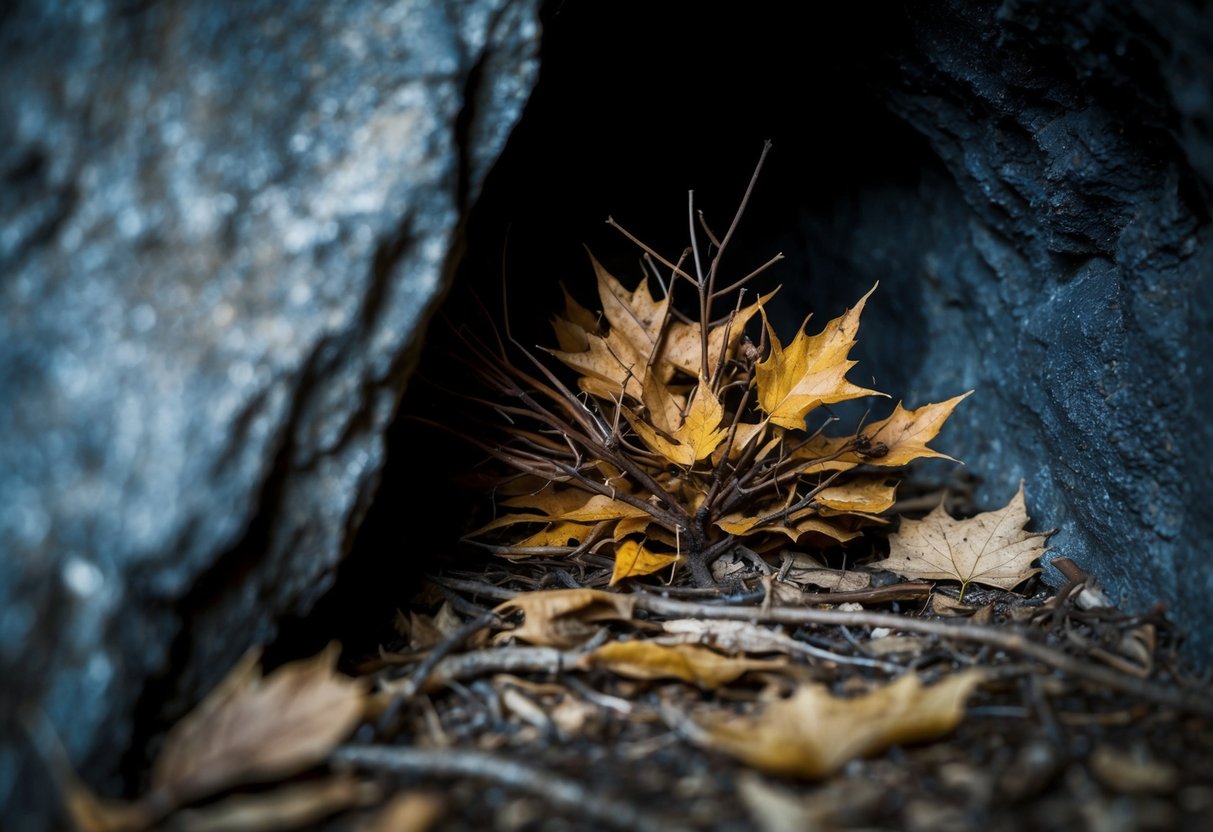
When looking for signs of bat nests, several key indicators can help you determine if bats are present. Noticing droppings, sounds, and potential entry points can reveal a lot about whether bats have taken up residence in your home.
Guano and Droppings as Indicators
One of the most recognizable signs of bats is their droppings, often called guano. You may find these small, dark, and crumbly droppings in areas where bats roost.
Bat droppings are about 4 to 8 mm long and resemble mouse droppings, but they crumble into a fine powder when crushed. They can be found in your attic, along walls, or near entry points.
If you see a buildup of guano, it’s a strong indicator that bats are nesting nearby. Regularly checking spaces like your attic or around doors can help you spot these signs early and take action if needed.
Sounds and Noises: High-Pitched Squeaks
Another sign of bat activity is the sounds they make. Bats are known for their high-pitched squeaks, especially during the evening. These sounds may be faint, but if you listen closely, you might hear them while in your attic or nearby areas.
At dusk, when bats leave their roosts to hunt, the squeaks can be more pronounced. These noises are part of their communication with each other. If you hear these sounds continuously, it may indicate that you have bats nesting in your home.
Pay attention to these sounds, especially during warmer months when bats are active.
Entry Points and Roosting Sites
Identifying entry points is crucial for understanding if bats are nesting in your home. Bats can fit through surprisingly small gaps, so look for spaces around vents, chimneys, or cracks in your walls.
Roosting sites are often found in areas like attics, behind siding, or under eaves. If you notice droppings near these spots, it’s a strong hint that bats are using them as their home base.
Checking these areas carefully can help you discover where bats are entering. Addressing these entry points can prevent future infestations and keep your living space bat-free.
Health Risks and Safety Concerns
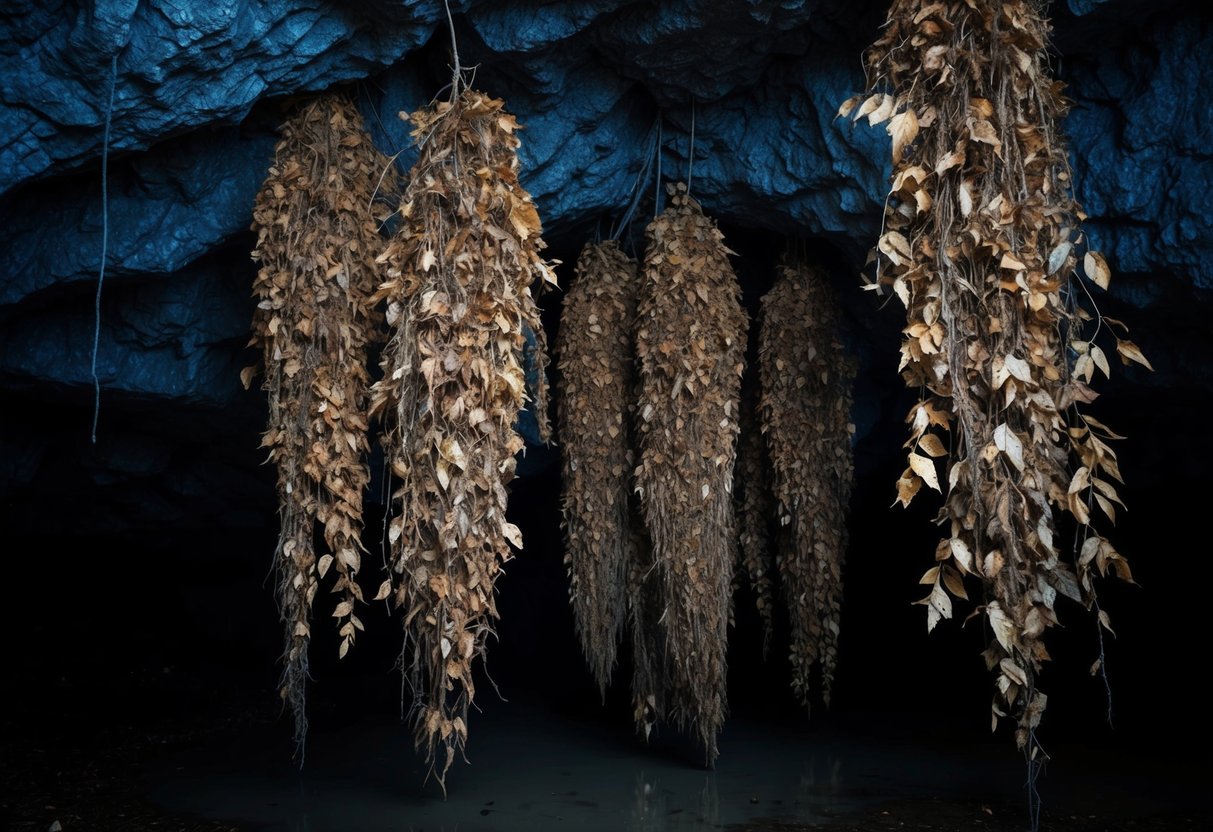
Dealing with bat nests in your home can lead to significant health risks. It’s essential to be aware of the dangers that come from exposure to bat droppings, urine, and the possibility of disease transmission.
Histoplasmosis and Other Diseases
One major concern is histoplasmosis, a respiratory illness triggered by inhaling spores from bat guano. When bat droppings accumulate, they can dry out and create dust that spreads these spores into the air.
Symptoms of histoplasmosis can range from mild flu-like feelings to severe respiratory issues. If you notice a bat infestation, avoid disturbing their nests. Proper removal by professionals can help minimize your risk.
Other diseases may also spread through bat droppings and urine. Always prioritize safety to avoid exposure to these health risks.
Risk of Rabies Transmission
Bats can carry rabies, a serious viral infection. Though only a small percentage of bats are infected, the consequences of contracting rabies can be severe.
Rabies is usually transmitted through bites or scratches. If you find a bat in your home, do not attempt to handle it yourself. Always call wildlife control experts to manage the situation safely.
By understanding these risks, you can take the right steps to keep yourself and your family safe from potential health issues related to bat infestations.
Managing and Preventing Bat Infestations
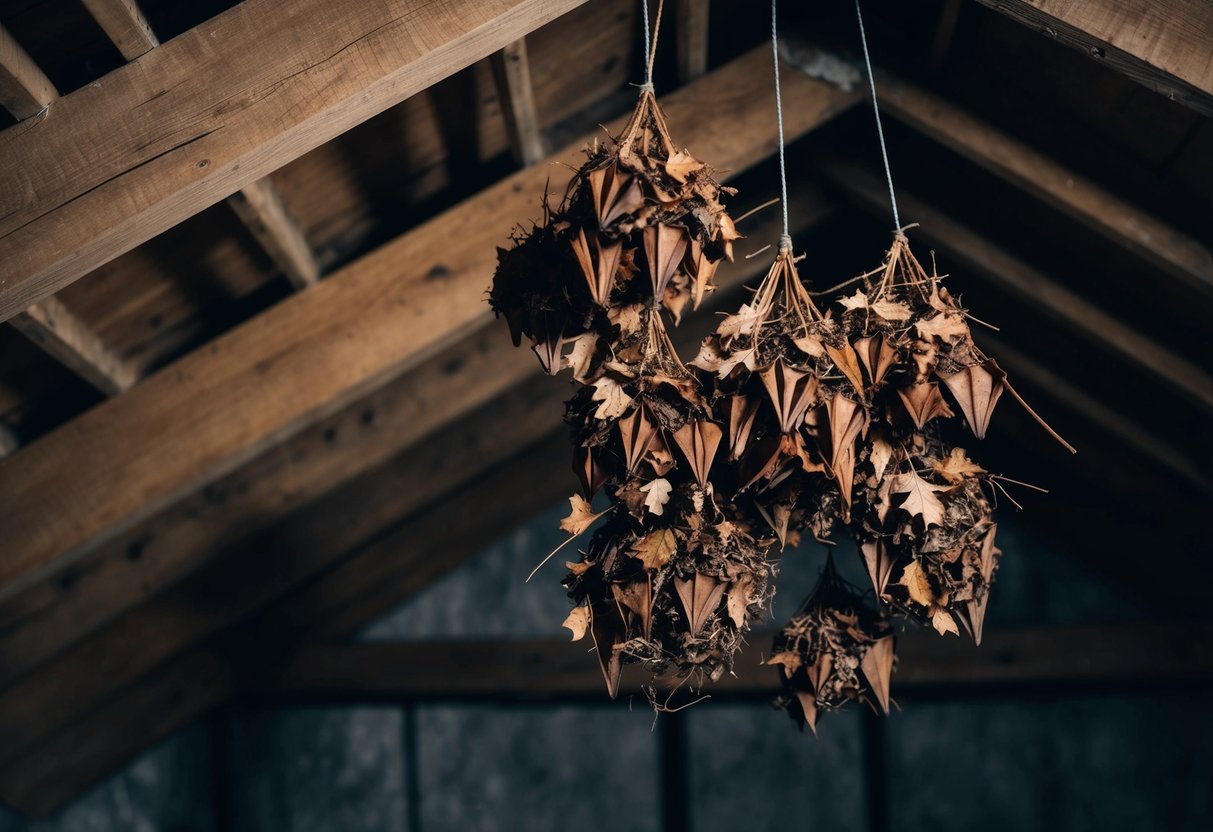
Taking action against bat infestations is crucial for your home’s safety. You can choose professional help or implement some easy methods at home to manage bats effectively.
Professional Bat Removal Services
If you suspect a bat infestation, hiring a professional is often the best choice. Experts in wildlife control understand bat habits and know how to remove them safely and humanely.
They can conduct a thorough inspection of your home, checking common entry points like gaps in attics or roofs. This ensures bats are removed without harm and prevents future issues.
Professionals may also offer advice on sealing these entry points, making it much harder for bats to return. Using trained practitioners minimizes health risks associated with bats, such as diseases. Their experience can save you time and stress, making it worthwhile to contact a qualified service.
Installing Bat Boxes and Deterrents
You can manage bats by installing bat boxes. These boxes provide bats with a safe place to roost instead of your home. Placing them in your yard can encourage bats to use these structures rather than your attic.
In addition to bat boxes, consider deterrents like sound devices or natural repellents. These methods can help keep bats away without harming them.
Make sure to position bat boxes at least 10-15 feet off the ground and away from noisy areas. A proper setup can make your yard more inviting to bats while keeping your home bat-free.


