
Buffalo, particularly the iconic Yellowstone buffalo and American bison, face several health challenges. One of the most notable diseases affecting these majestic creatures is brucellosis. This bacterial disease can lead to severe consequences for buffalo populations, including abortion in pregnant females and long-term health issues.
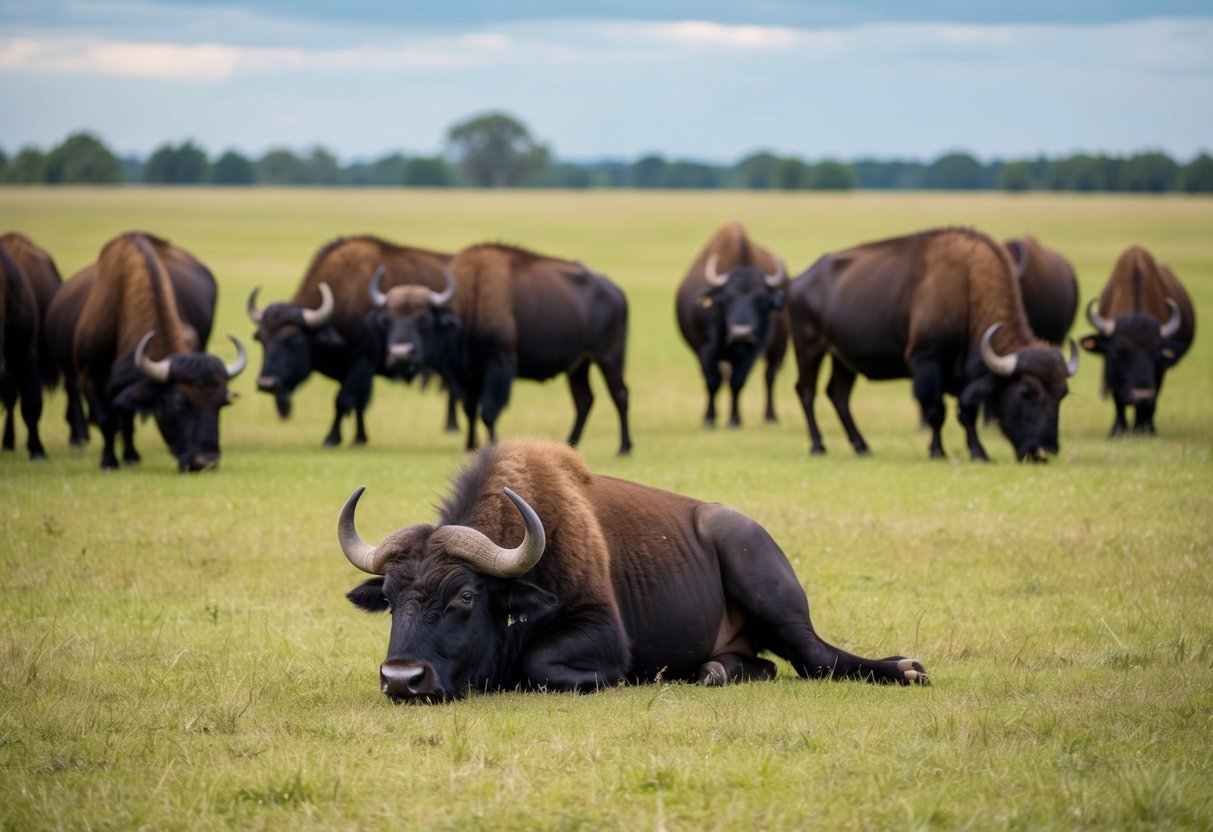
Brucellosis is not only a concern for livestock but also poses risks to wildlife. When wild buffalo come into contact with domestic cattle, the disease can spread rapidly. This has led to management practices aimed at controlling outbreaks, raising concern among wildlife advocates and ranchers alike.
Understanding the risks of brucellosis and its impact on both wild and domestic animals is essential. By learning more about this disease, you can appreciate the ongoing efforts to protect buffalo and the delicate balance of ecosystems where they live.
Understanding Brucellosis in Bison
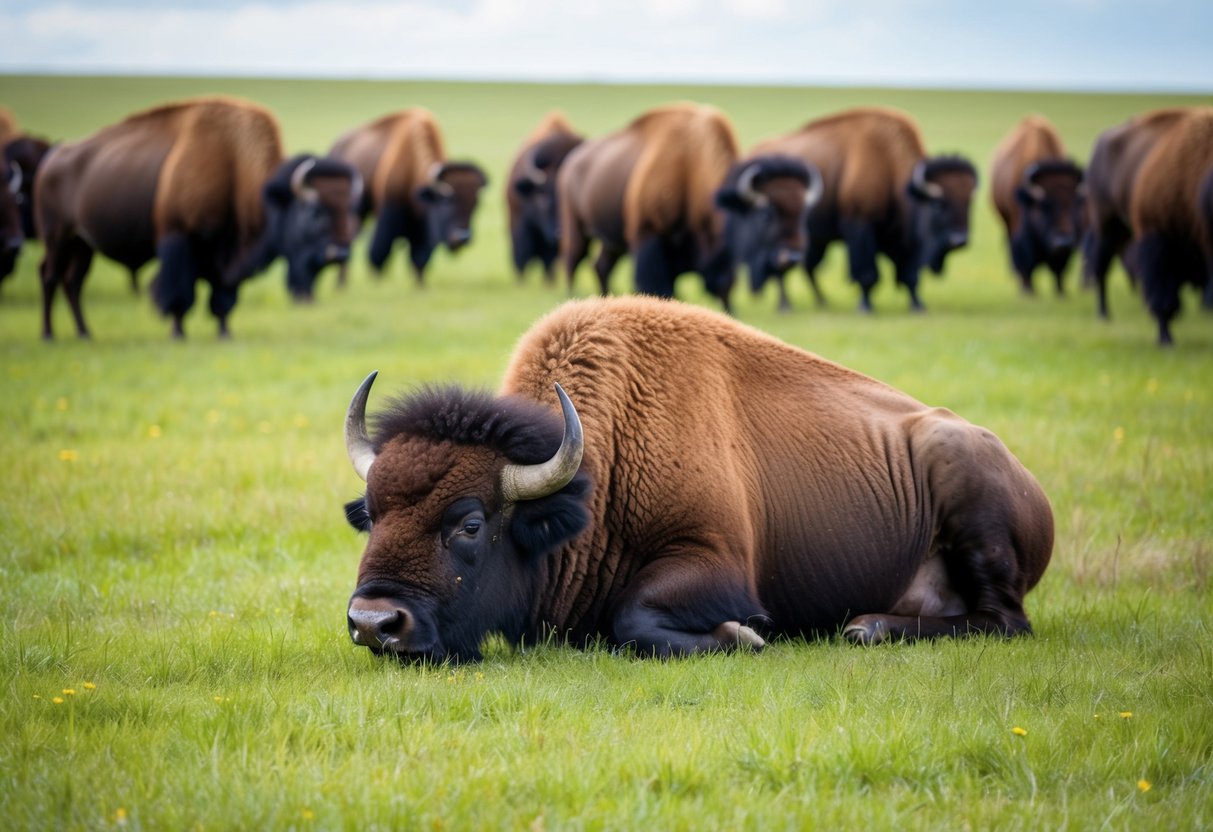
Brucellosis is a significant disease affecting bison populations. It is caused by the bacteria Brucella abortus and can lead to serious health issues in these animals. Understanding how this disease spreads and how it can be prevented is essential for the well-being of bison and the livestock industry.
Transmission and Effects
Brucellosis spreads primarily through direct contact between infected and uninfected animals. When an infected bison gives birth, the bacteria can be present in the fetal tissues and fluids. Other bison may become infected by being near these materials.
This bacterial disease causes severe issues in bison, including abortions, reduced milk production, and retained placenta. Additionally, infected bison may show mild symptoms but can remain carriers. Humans can also be affected, developing undulant fever, which is linked to handling infected animals.
Monitoring and testing are crucial. Regular serologic testing helps identify infected bison and prevents the further spread of brucellosis within herds.
Prevention and Vaccination
Preventing brucellosis involves careful management practices. One effective method is vaccination. A specific vaccine can help protect bison from infection. Vaccinations are typically given to young animals, providing long-term immunity.
In addition to vaccination, frequent testing is vital. It identifies carriers and helps measure the effectiveness of vaccination efforts. Keeping domestic cattle separate from wild bison also reduces the risk of transmission.
Consulting with wildlife and veterinary experts for the best prevention strategies is always recommended. Maintaining healthy bison populations supports both wildlife and agricultural interests.
Impact on Wildlife and Livestock
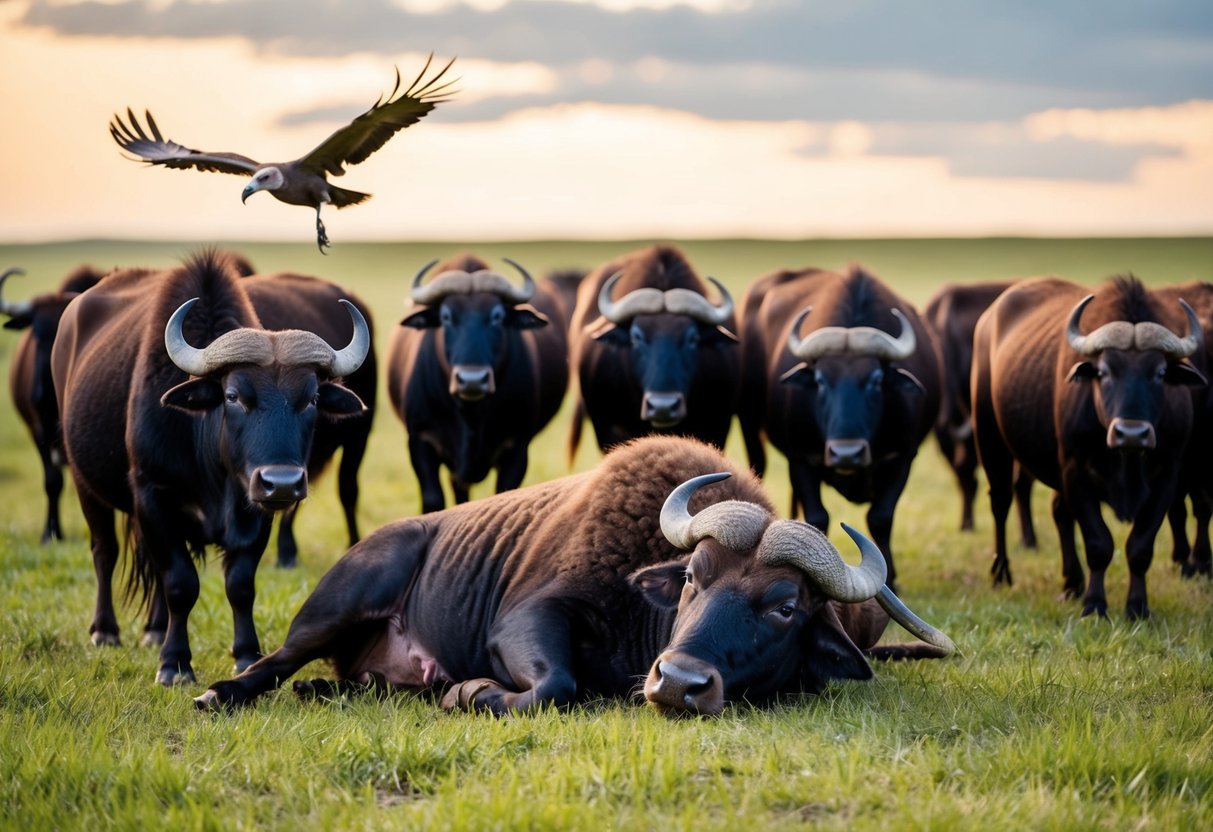
The presence of diseases like brucellosis impacts both wildlife and livestock, creating challenges for ranchers and management authorities. Understanding these interactions helps ensure public health while protecting herds.
Interactions Between Domestic and Wild Species
Brucellosis primarily affects bison, elk, and domestic cattle, creating a complex relationship in areas like Yellowstone National Park. When infected wild bison come into contact with domestic cattle, the risk of disease transmission increases.
Ranchers need to be careful, as this disease can cause cattle to abort their calves. This results not only in economic losses but also in the need for strict quarantine measures. Infection rates in the Yellowstone area are monitored closely to prevent outbreaks.
The Department of Livestock and the National Park Service work together to manage and protect both wild and domestic species. Their efforts aim to keep herds healthy and reduce disease spread.
Management Policies and Public Health
Effective management policies are essential in addressing the risks posed by brucellosis. The U.S. Forest Service and public health agencies, like the Centers for Disease Control and Prevention, collaborate to monitor wildlife and livestock interactions.
Policies often include vaccination programs for domestic cattle and regular testing for brucellosis. Keeping a close watch on the seroprevalence of this disease helps identify potential outbreaks.
Ranchers may receive guidelines about best practices, such as keeping domestic herds away from infected wildlife. These measures ultimately support both cattle health and public health, ensuring safer environments for everyone involved.


