
Squirrels chew wires, tear insulation, dig up gardens, and make holes in attics. These problems can eat up your time and money before you know it.
If you spot chewed wiring, nests in the attic, or new holes around your roof or siding, you probably have squirrel damage that needs attention.

Let’s talk about how squirrels harm your home and yard, what to look for, and what you can actually do about it. There’s no magic trick here, but you’ll find some practical tips that can protect your place and maybe save your sanity.
Types of Damage Squirrels Cause to Homes and Gardens
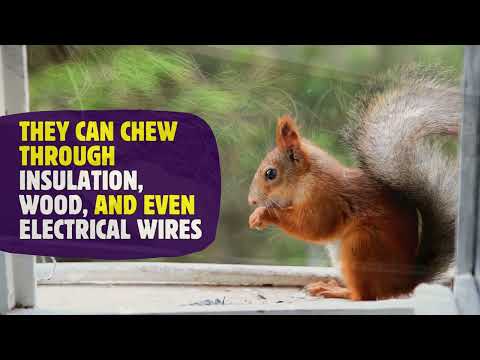
Squirrels chew, nest, and dig in ways that mess up wiring, building materials, and plants. You might spot shredded insulation, holes in the roofline, chewed wires, or even baby squirrels in your attic if you ignore the signs.
Chewing on Electrical Wires and Fire Risks
Squirrels chew plastic and rubber insulation to keep their teeth from growing too long. They end up exposing live copper wiring in attics, behind walls, or along rooflines. That exposed wiring can short, spark, and cause a fire.
Watch for small chew marks, black scorch stains, or melted insulation near junction boxes. Flickering lights or power that cuts out to outdoor outlets could be another clue. If you see squirrel droppings near electrical boxes or in the attic, chances are they’ve been busy near your wiring.
If you think wires got chewed, turn off power to that area and call a licensed electrician before you seal up holes or clean out nests. An electrician can spot hidden problems and help keep your home safe. You can also make wires harder to reach by trimming branches and securing loose cables.
Structural and Insulation Damage
Squirrels gnaw wood beams, fascia, and eaves to make new entry points or enlarge gaps. They squeeze through openings as small as 1.5–2 inches. Once inside, they shred fiberglass insulation for nests, flattening it and making it less effective. That means higher heating and cooling bills.
You might smell urine or see dark stains and droppings where they nest. Baby squirrels in the attic bring more noise and odor as they move around. When squirrels chew on joists or rafters again and again, they can weaken wood and make it easier for other pests to get in.
Patch holes with metal flashing or hardware cloth, and replace insulation that’s too far gone. Check framing for chew marks and repair or reinforce if needed.
Roof, Siding, and Entry Point Destruction
Squirrels love using rooflines, vents, and loose siding to get inside. They pry up shingles, chew soffits, and widen gaps around vents and chimneys. One small hole near the eaves can turn into a bigger mess as they keep coming back season after season.
Damaged shingles and open vents let water in, leading to rot and mold under the roof deck. You might spot torn shingles, shredded underlayment, or piles of nesting material in the gutters. Squirrels usually get easy roof access from overhanging branches or trees that are too close.
Trim branches at least 8–9 inches away from the house, cover vents and chimneys with metal screens, and fix loose siding as soon as you can.
Garden and Landscaping Harm
Squirrels dig little holes to hide and dig up nuts, leaving shallow pits all over lawns and flower beds. They raid vegetable gardens, munch on corn and tomatoes, and even strip bark from young trees and shrubs. That can kill small plants and ruin your hard work.
Look for chewed bulbs, missing seedlings, or bite marks on fruit. Squirrel droppings near raised beds or under trees are a pretty sure sign they’ve been feeding there. Sometimes they pull up mulch or mess with irrigation lines while digging.
Protect plants with wire cages, use tough netting over crops, and pick up fallen fruit quickly. Motion-activated sprinklers or baffles on feeder poles help keep them away from certain areas.
How to Prevent Squirrel Damage and Manage Infestations

You can stop most squirrel trouble by blocking entry, making your place less appealing, and using humane removal if you need to. Focus on sealing openings, picking the right repellents, and calling pros if squirrels have set up shop in your attic.
Seal Entry Points and Exclusion Tactics
Check your roof, soffits, vents, chimney, and siding for any gaps the size of a golf ball or bigger. Cover holes with 1/4–1/2 inch galvanized hardware cloth or sheet metal. Replace damaged fascia, seal gaps around plumbing stacks, and put a spark arrestor with small mesh on open chimneys.
Start from outside and work your way in. Trim tree limbs back at least 6–8 feet from the house so squirrels can’t jump onto the roof. Add chimney caps and wire mesh over attic vents. Once you’ve cleared out animals, fix entry points for good and use one-way exclusion doors (where legal) so they can leave but not get back in.
Check crawl space doors and garage seams. Door sweeps, metal flashing, and polyurethane caulk work well for small gaps. Keep attic access panels locked up. Go back and check seals each season, especially after storms.
Squirrel Repellents and Proofing Methods
Use taste or smell repellents as a short-term fix while you’re sealing things up. Capsaicin sprays on birdseed, garden fences, or tree trunks can cut down on chewing for a few weeks, but you’ll have to reapply after rain. Motion-activated sprinklers and lights chase off squirrels during the day without hurting them.
Switch to squirrel-proof bird feeders—weight-sensitive feeders or caged ones keep squirrels out. Protect garden beds with 1/2 inch hardware cloth over bulbs and use row covers for veggies. Plant less-attractive stuff near spots you want to protect; daffodils and alliums are good bets.
Inside the attic, get rid of food, boxes, and easy nesting materials. Clean up droppings with gloves and a mask, since squirrels can bring in fleas and ticks. Use insect control around entry points if you spot bugs, and wash any fabrics that might have been in contact.
Wildlife Removal and Professional Help
If you spot nests, hear loud scratching at night, or notice chewed wires and droppings, don’t wait around. For just one squirrel, you can set a live trap—though it’s smart to check your local rules first.
Set the trap along the roofline or wherever you see them running. Peanut butter and nuts work well as bait. Honestly, I’d skip glue traps or poisons; they just make the problem worse and cause needless suffering.
When you hear a whole crew up there, or see babies, or spot any real damage to your home, it’s probably time to call a wildlife control pro. The pros know how to get animals out without harm and can fix up entry points or deal with tricky stuff like chewed wiring.
They’ll let you know about flea and tick treatments, too. If things are really messy, they can even coordinate cleanup and replace insulation.
If you bring in a company, ask for a written exclusion plan and proof they use humane methods. It’s fair to request a warranty on repairs. Photos of entry points—before and after—help you see exactly what got fixed.


