
If you want to keep bees away, picking the right color actually makes a difference. Wearing or using white is one of the easiest ways to avoid attracting bees, since they usually steer clear of it.
Bees see colors in their own unique way. White just looks like empty space to them, so they’re less interested in hanging around.
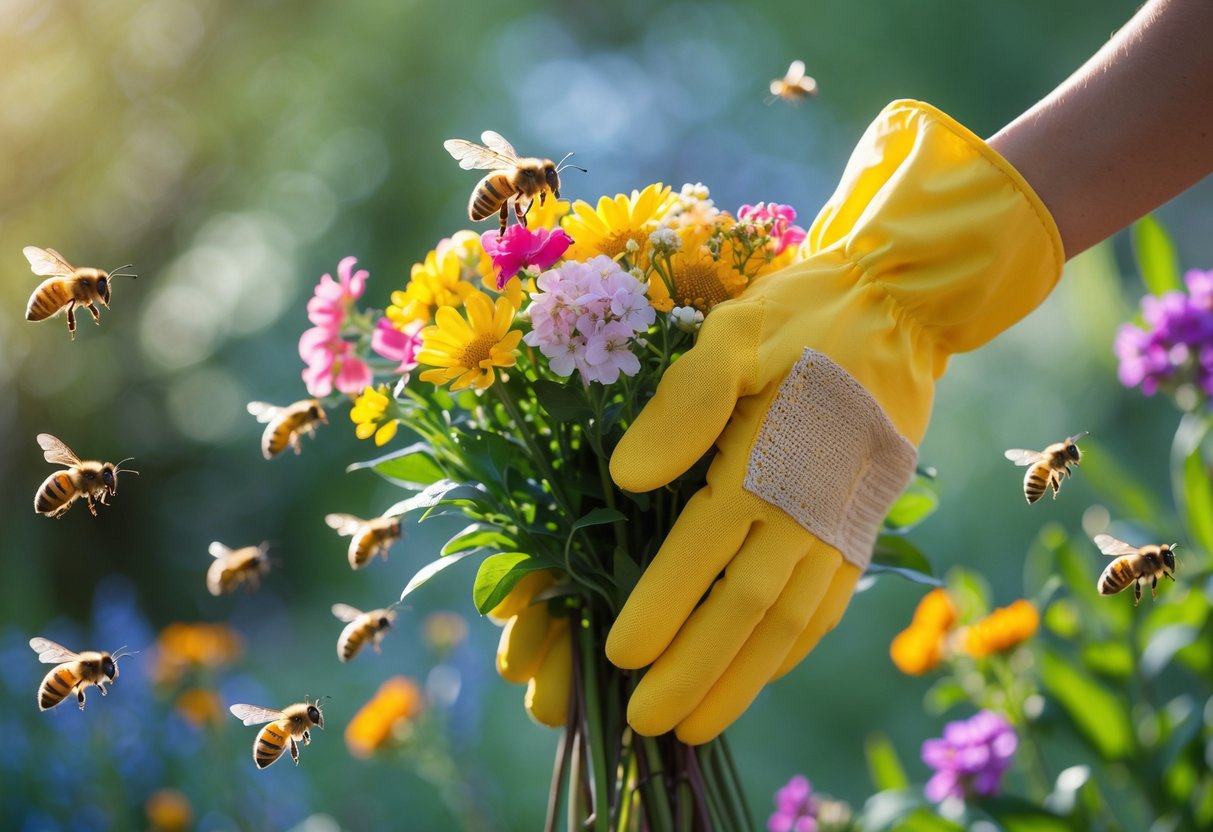
You might guess that bright colors like yellow or red would keep bees away, but it turns out bees actually go for some of those shades. If you understand which colors make bees uncomfortable—like white or even blue—you can make a big difference whether you’re gardening, having a picnic, or just relaxing outside.
Let’s dig into how you can use color to keep your space more bee-free.
What Colour Keeps Bees Away?
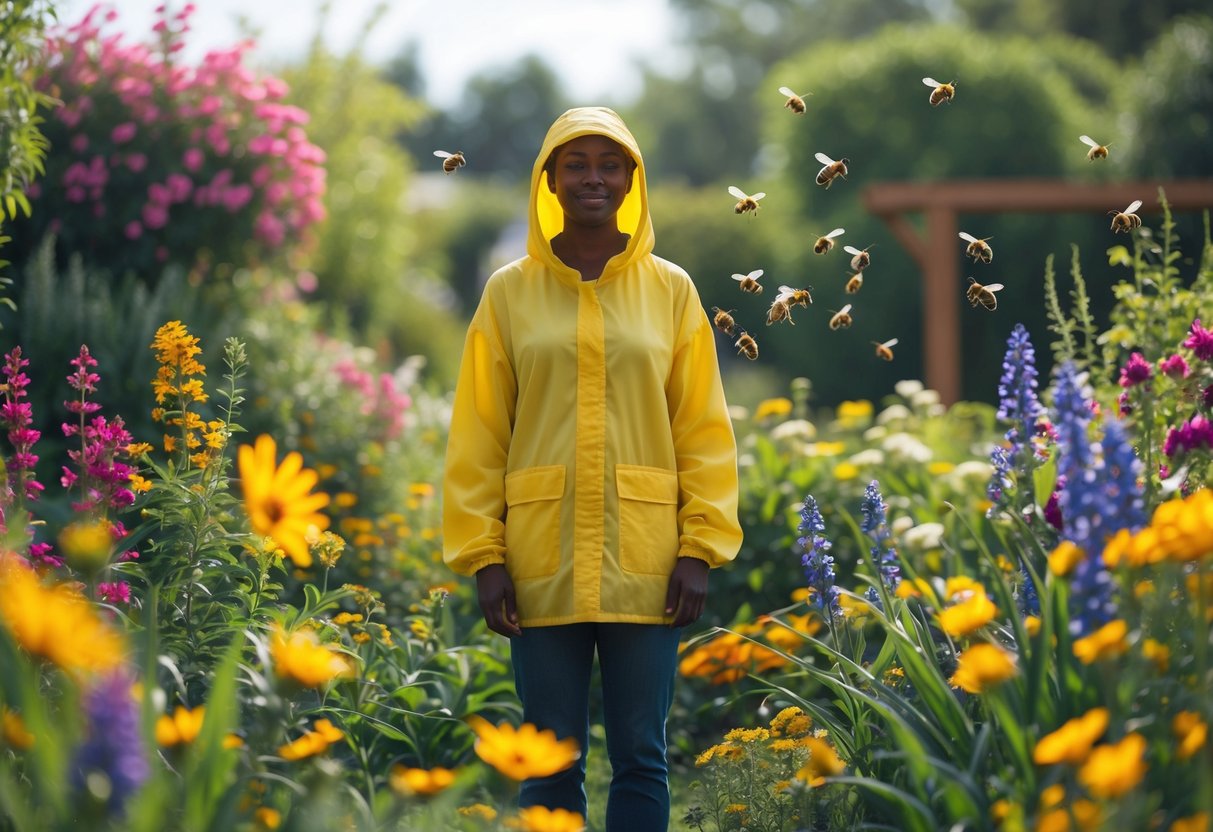
You can use color to cut down on how many bees come near you or your stuff. Since bees see colors differently than we do, knowing a bit about their vision helps you choose colors that don’t attract them.
Some colors even act as natural warning signals to bees, basically telling them to buzz off.
Understanding Bee Color Vision
Bees have compound eyes that let them see a bunch of colors, but not all the same ones we see. They see really well in the ultraviolet (UV) light range, which is invisible to us.
Red? Bees don’t see it like we do. It usually looks dark or even black to them.
Their eyes pick up on blue, green, and UV colors best. So, colors like blue or green won’t draw bees in as much as yellows or purples, which are common flower colors.
Knowing this, you can pick colors to repel bees by confusing their signals or making yourself less interesting. If you wear red or darker colors, you’ll look less exciting—or maybe even a little threatening—to bees.
Colors That Repel Bees
Some colors really do keep bees away. Dark shades like black, brown, and red work well because bees see them as signs of danger or predators.
Bright yellows and blues usually pull bees in, since they look like flowers. It’s kind of funny, but using blue in paint or clothes might actually repel bees and wasps, thanks to how it looks under UV light.
White and other light colors are pretty neutral, so bees will probably ignore you if you stick to those.
If you want fewer bees around, here’s what you can do:
- Wear dark or red clothes.
- Skip the bright yellow or floral prints.
- Use darker or neutral shades for outdoor paint.
These small choices really can make a difference in how many bees you see around your house or garden.
Warning Signals in Nature
In nature, colors send messages. Bees see dark colors as a possible threat, so black and brown basically scream “danger” to them.
Some plants combine strong smells with certain colors to keep bees away.
Bees stay cautious around colors tied to predators or pain. Some insects and animals use red or black to say “back off” or “I taste bad.” If you use those colors, you’re kind of copying nature’s warning signs, which helps keep bees away—without hurting them.
Of course, color isn’t everything. Scents and how you act around bees matter too. Still, knowing how bees react to warning colors gives you a handy trick for keeping them at a safe distance.
You can check out more about which colors work to repel bees naturally.
Bee-Friendly Colors and Garden Choices
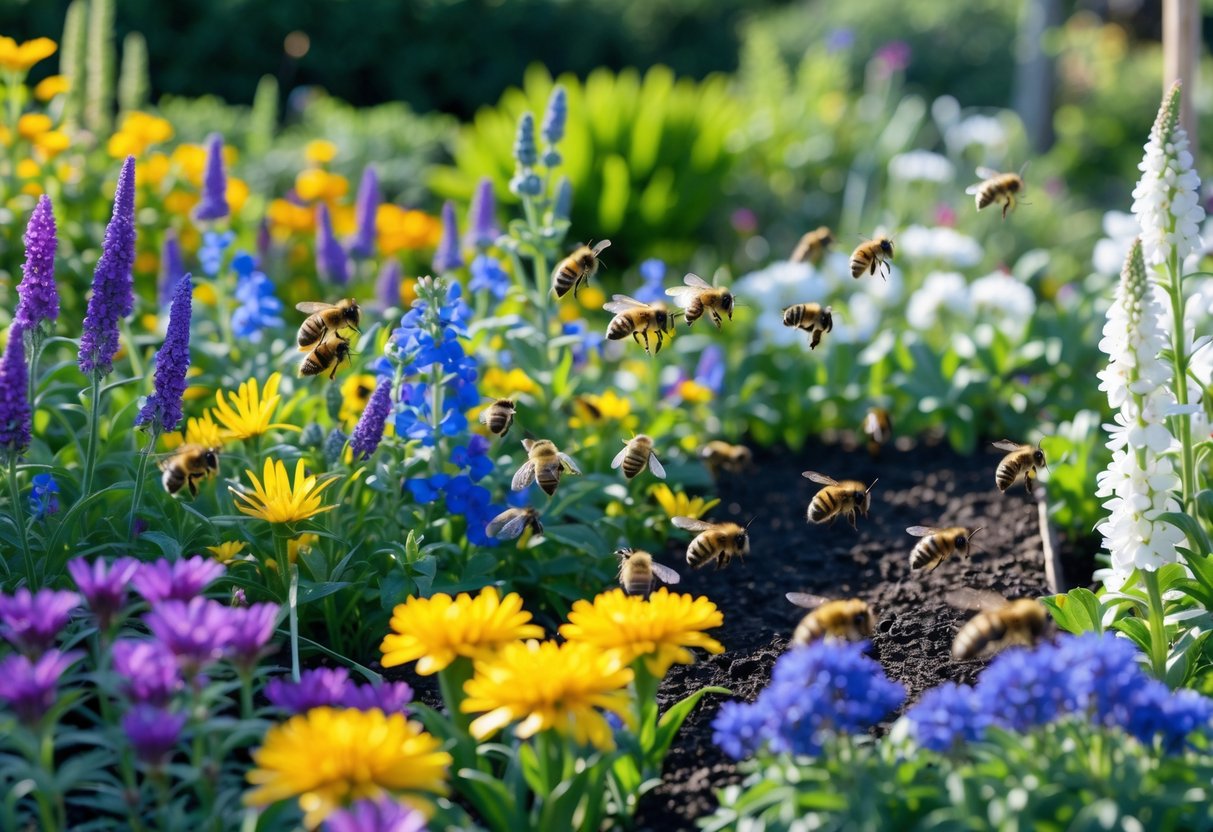
If you’d rather help bees out, picking the right colors and plants is key. Bright colors and certain flowers offer bees nectar and pollen, which helps them—and your garden—thrive.
Colors That Attract Bees
Bees naturally go for colors like blue, yellow, and purple. Their vision is just wired that way—they see ultraviolet light and those colors really pop against green leaves.
Red doesn’t do much for bees. It just looks dark or black to them, so they usually ignore it.
If you want to bring bees in, plant flowers with bright blue or yellow petals.
Colors like lavender purple, bright yellow, and deep blue make it simple for bees to find flowers. These shades show up a lot in nectar-rich flowers like sunflowers, daisies, and zinnias.
Flower Choices for Pollinators
To help pollinators, stick with flowers that offer lots of nectar and pollen. Plants like lavender, sunflowers, black-eyed Susans, and coneflowers are awesome—they’re easy for bees to get nectar from.
Add yellow flowers like sunflowers and black-eyed Susans for both color and bee appeal. Blue flowers such as lavender and borage are also great picks.
Mix in flowers that bloom at different times. That way, your garden stays busy with pollinators all season, and local bees stay healthy.
How Bee Vision Influences Garden Design
Bees actually see colors in a way that’s pretty different from us. Their vision stretches into the ultraviolet (UV) range—something we just can’t experience.
Many flowers show off UV patterns, known as nectar guides, that point bees straight to their nectar. It’s kind of amazing how nature works that out.
If you’re thinking about your garden, try to remember that bees love flowers with these UV patterns and bold, contrasting colors like yellow or blue. Those bright, patterned flowers really pop to them, even from far away.
Bees struggle to see red, so if you mostly plant red flowers, they probably won’t show much interest. Go for colors that bees can spot easily, and you’ll help them find food faster while boosting pollination in your garden.
Curious about how different colors affect bees? Check out What Colors Attract and Repel Bees Naturally.


